Karim Kal
Born in 1977
Lives in Viuz-en-Sallaz (Haute-Savoie)
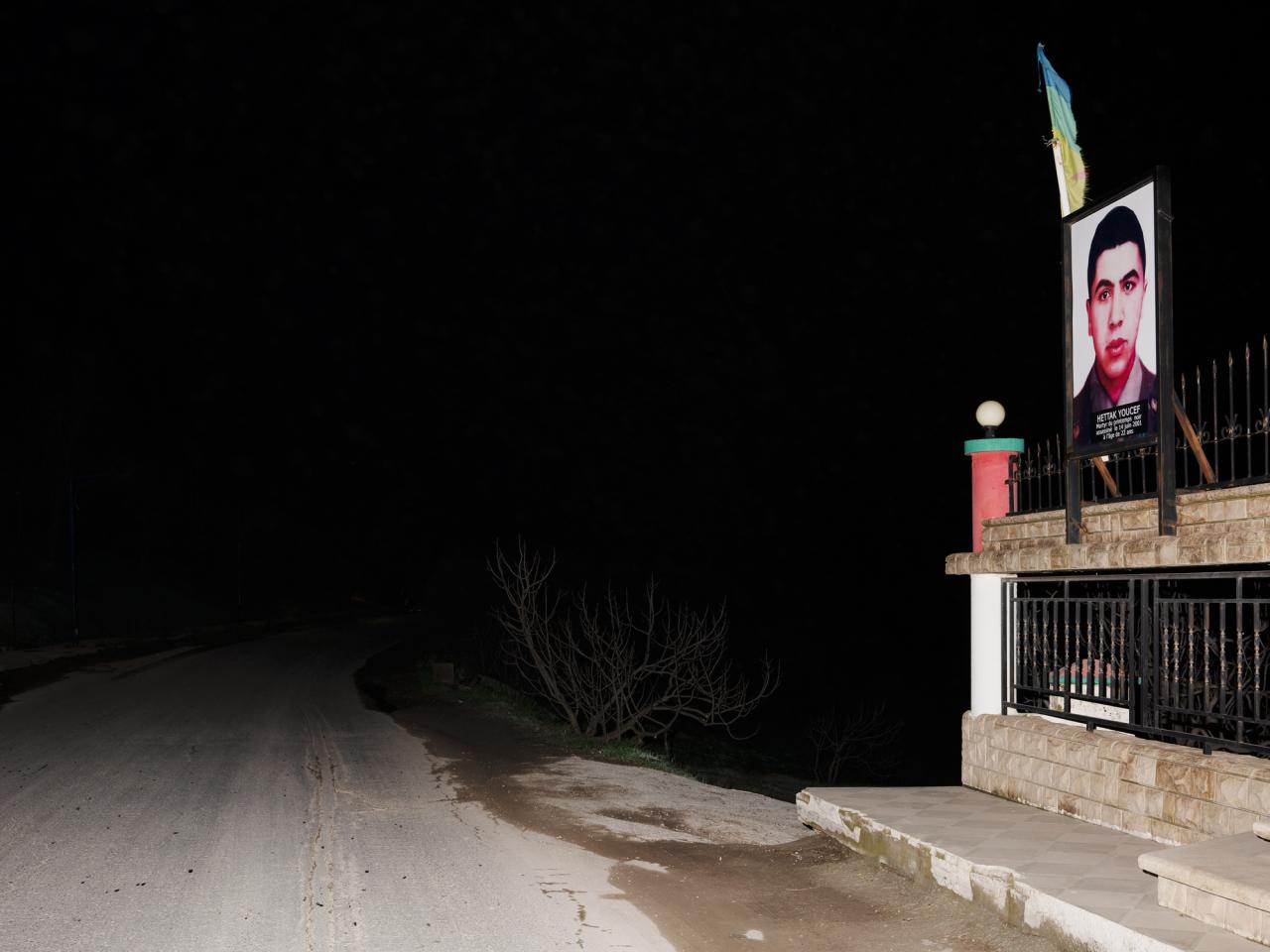
Photograph from the series Mons Ferratus, 2020-2025
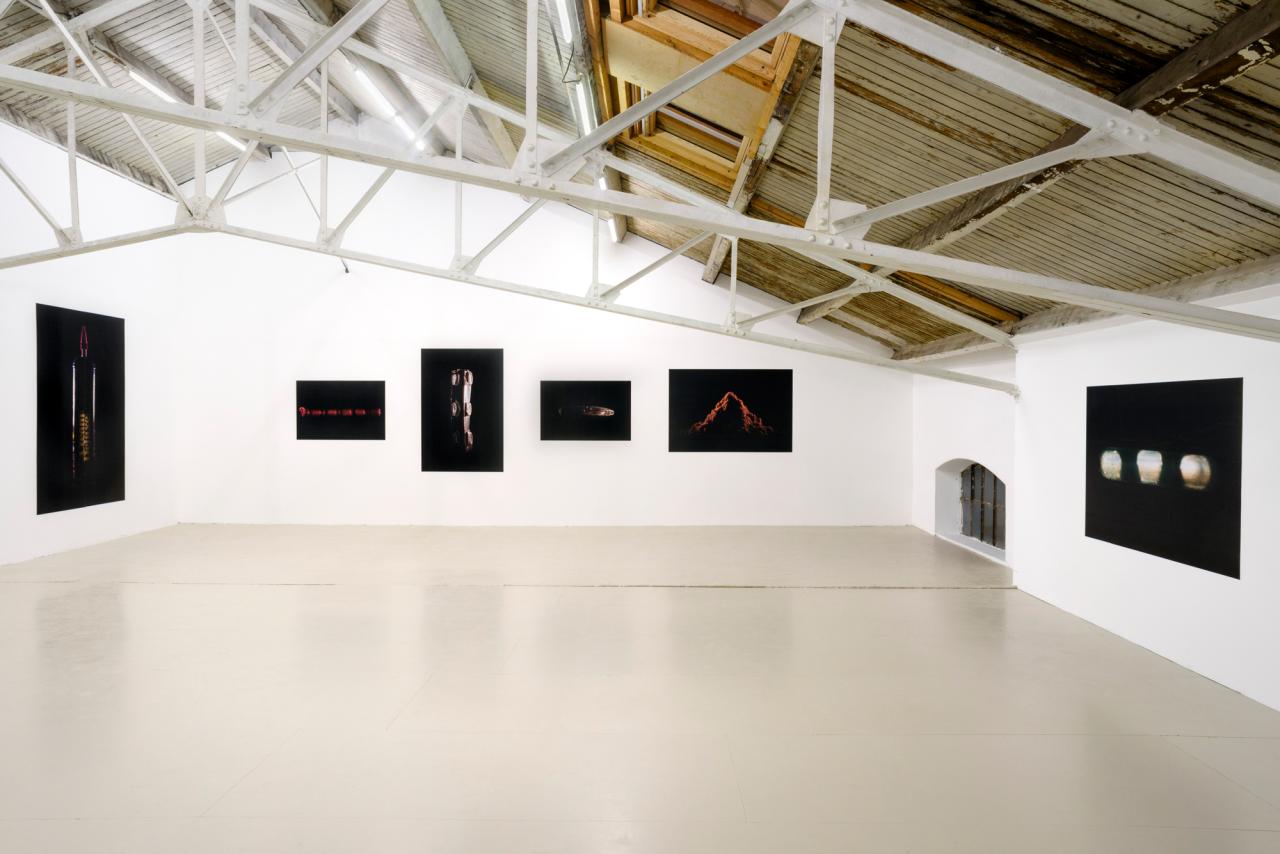
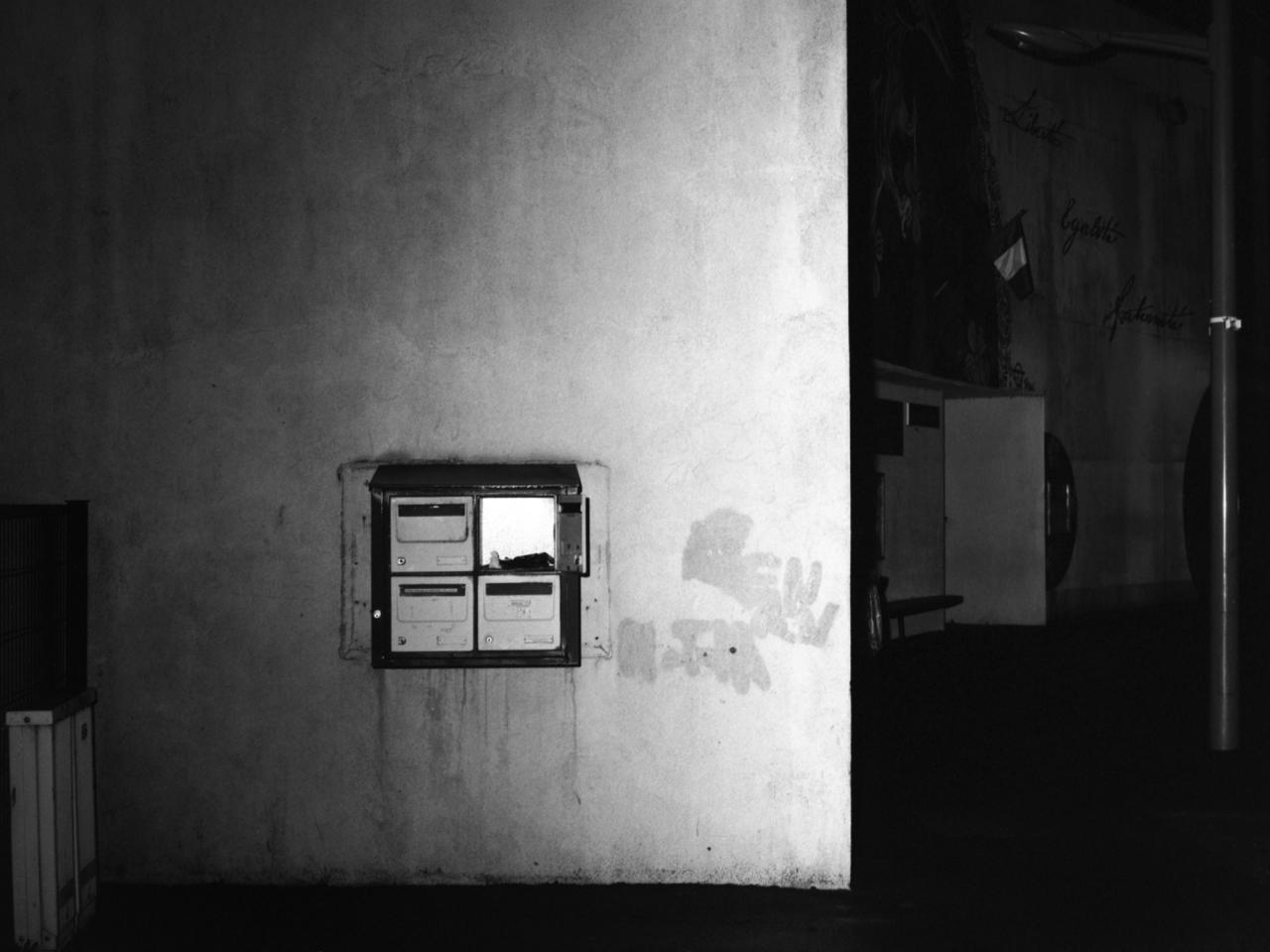
Photograph from the series Ligne Dée, 2017
created as part of the photographic commission Regards du Grand Paris
"Born in 1977 to an Algerian father and French mother, he spent his childhood in a small hamlet in Haute Savoie but regularly visited family and friends who lived in city suburbs. Though he grew up in the countryside, the periphery of big cities is familiar childhood and teen stomping grounds. Between 1996 and 2001, he studied at the fine arts schools of in Avignon and Grenoble before studying at the Vevey School of Photography, from which he graduated in 2003. Since that time the artist has also questioned the social, urban and historical reality of the world he lives in. In 2002, during the civil war in Algeria, he went to the Bab El Oued neighbourhood, where part of his family resided. But rather than producing the same unbearable images the press published daily, he photographed the blue immensity of the Mediterranean, the beacon of hope (literally and figuratively) for many young Algerians destined for exile. Three years later he went to Guyana, where he became interested in social housing and the makeshift habitats made of recycled materials popping up here and there in the suburbs of Cayenne. In 2009 he photographed the residents of Miroirs, a housing development for migrant workers built in the 1970s in Evry, in the southern suburbs of Paris. The following year marked a turning point in his work. He stopped taking portraits to avoid, as he says, locking his subjects into generic representations (the commuter, the migrant worker, the deadbeat, etc.). He started shooting at night, by the light of the flash. Between 2011 and 2013, influenced by the works of Michel Foucault, he became interested in how institutions such as prison, hospitals and social housing induce forms of spatial coercion. With his series Entraves, he focused on those objects that irk the urban environment: markers, blocks, chains, grates, cones, spikes, lamp posts and other tactile markings. In 2017, as part of Les Regards du Grand Paris commission, he photographed the area surrounding RER Line D, between Viry-Châtillon and Corbeil-Essonnes, focusing on the strange and familiar details that arise in the peri-urban night. For the past fifteen years, Karim Kal has been investigating what he likes to describe an “expanded France", which includes overseas territories and former colonies. In this reality, which is both geographical and historical, working-class areas on the outskirts of the big cities are fertile ground for his research. Using photography, he takes stock of everything that contains and controls the body, establishes domination – in short, that which makes the city resemble a prison and the suburbs a place of segregation that, in his words, creates “a form of apartheid”. He shows what history and politics do to architecture and the extent to which the latter affects those who live there." (...)
Excerpt from Metaphors of Obstruction, Clément Chéroux
in Karim Kal, Arrière-pays, LOCO Editions, 2019
© Adagp, Paris