Intimate territories in common
An essay on situated collaborative artistic research
In 2016, my blood curdled when I read L’Atlas de la France Toxique [Atlas of Toxic France], compiled by the association Robin des Bois. In it, 36 maps of mainland France, Corsica, the French West Indies, French Guiana and New Caledonia analyse the dangers of several infamous pollutants and of their compounding. No fragment of soil, water or sky is spared: we live in the midst of this irreversible pollution.
Since then, my curatorial research has focused on how we inhabit our contaminated worlds, affected by anthropic pollutions, whose ecosystems are degraded and landscapes altered, and in which the balance of human and non-human environments is disrupted.
How, then, do we develop an intimate relation with what is damaged, and how do we keep taking care of it? What kind of poetic ties can we forge with reality? What levers are available to us in terms of collective action? Is art one of these levers?
The work of artist-researchers, whose approaches combine everyday life and aesthetic gestures, as well as individual and collective creations, archiving of buried memories and speculation on alternative scenarios for the future, might provide an answer to these questions. This essay explores these issues by looking into the practices of Céline Domengie, Benoît Laffiché and Laura Molton, respectively situated in the “aquatic” regions of the Lot Valley, the fishing districts of Yoff (Senegal) and the Cotentin Peninsula. These three artists share a common goal of nurturing unique spaces for conversation and a thirst to be part of a place and to act, build and reflect within it.
OF THE ART OF BEING AN IN-BETWEEN…
S’ancrer dans le terrain de sa recherche au point de s’y installer, Laura Molton n’hésite pas longtemps. En 2019, elle rejoint le chantier archéologique du Rozel – site complexe menacé par l’érosion du littoral. Dans La strate empreintée (2019), sa caméra oscille à la lisière du sable pour percevoir les échos historiques depuis la surface, tandis que la matière sonore tente de pénétrer le sous-sol. L’artiste apprécie de chercher à l’aveugle, de se laisser embarquer et glisser dans des infra-mondes. La fouille crée un tube temporel… les étudiants en architecture chuchotent que pour voir il faut détruire.
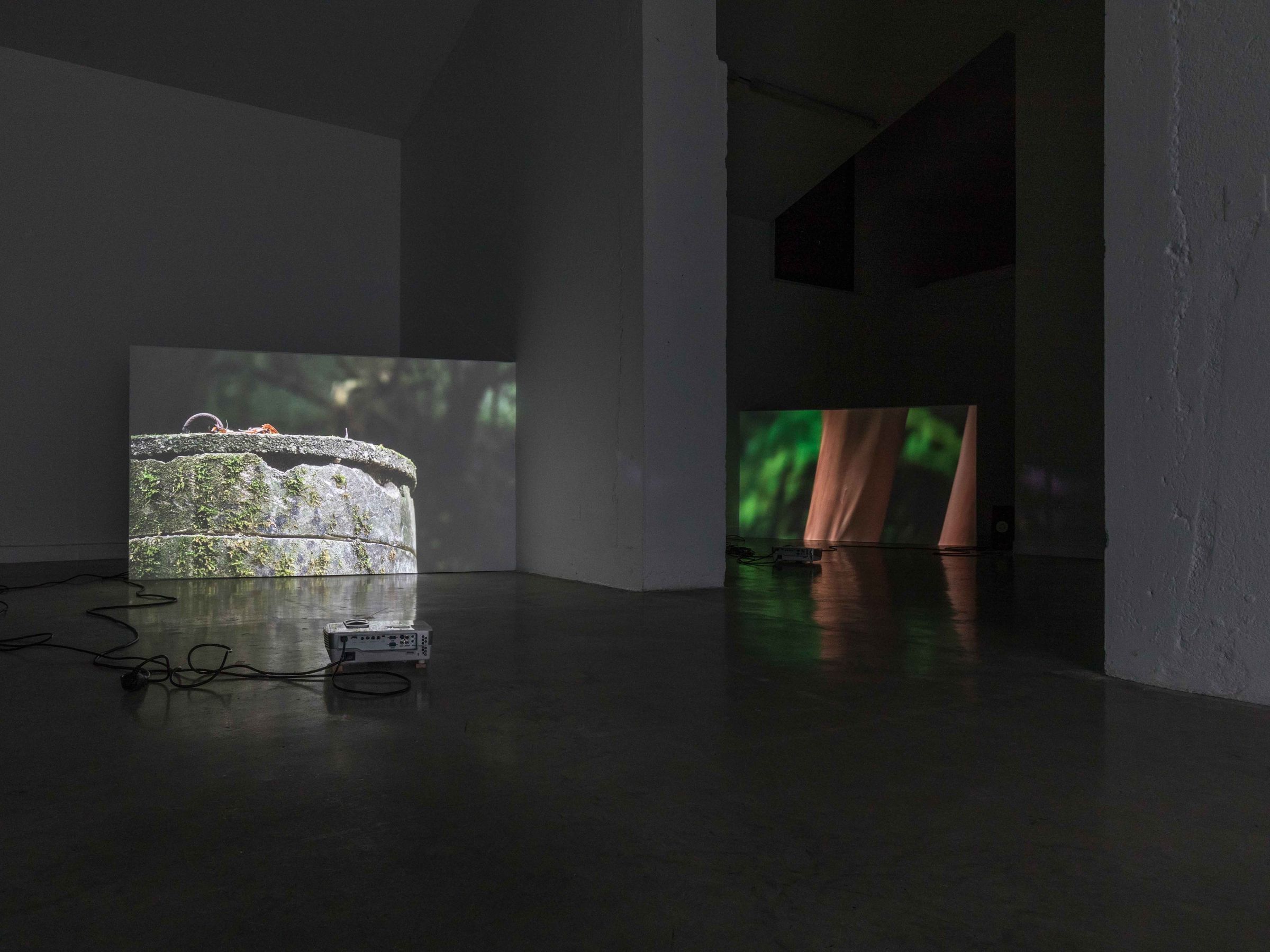
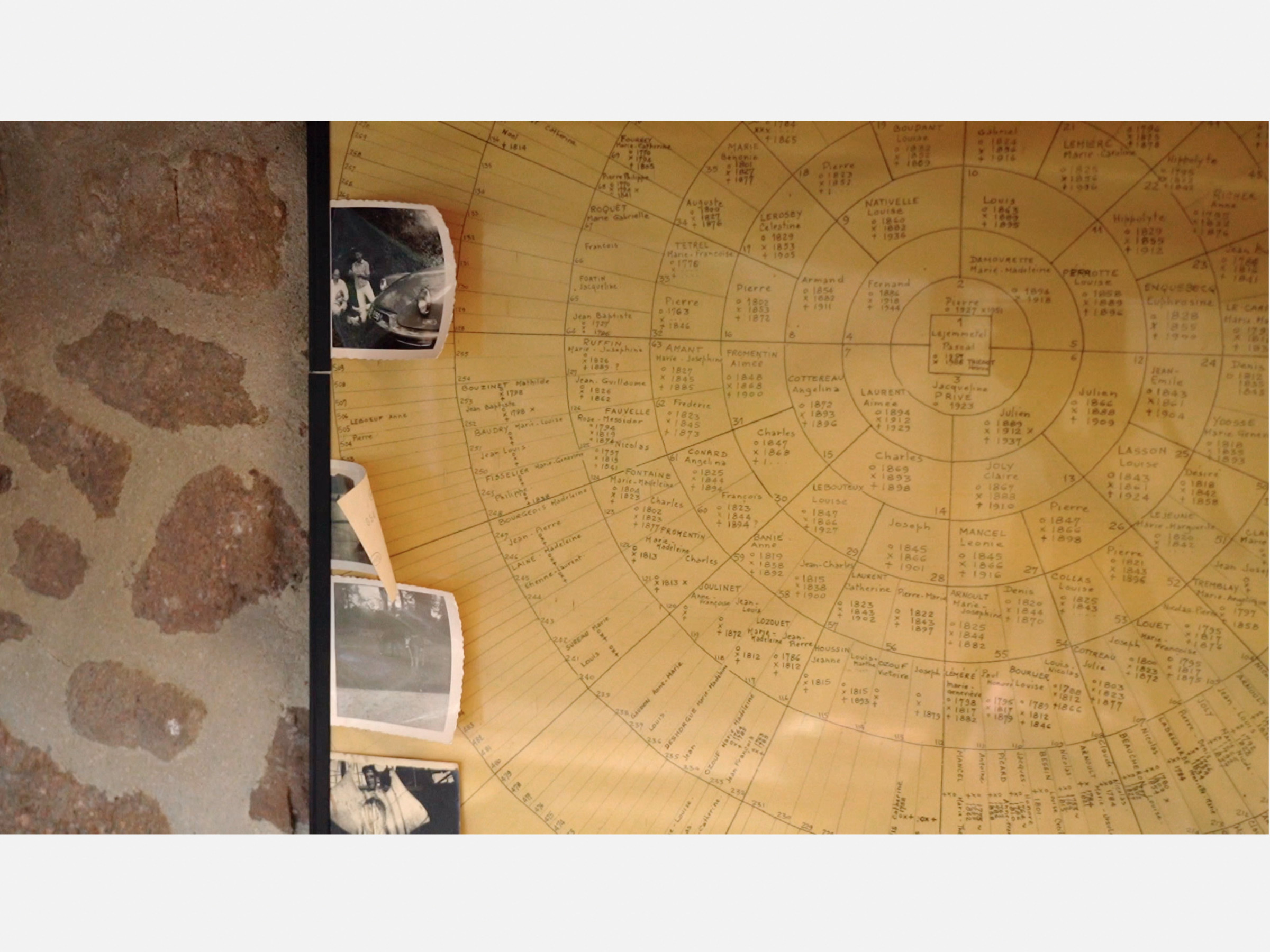
Film installation, view of the eponymous exhibition, Maison Salvan, Labège - Photo: © Vincent Boutet
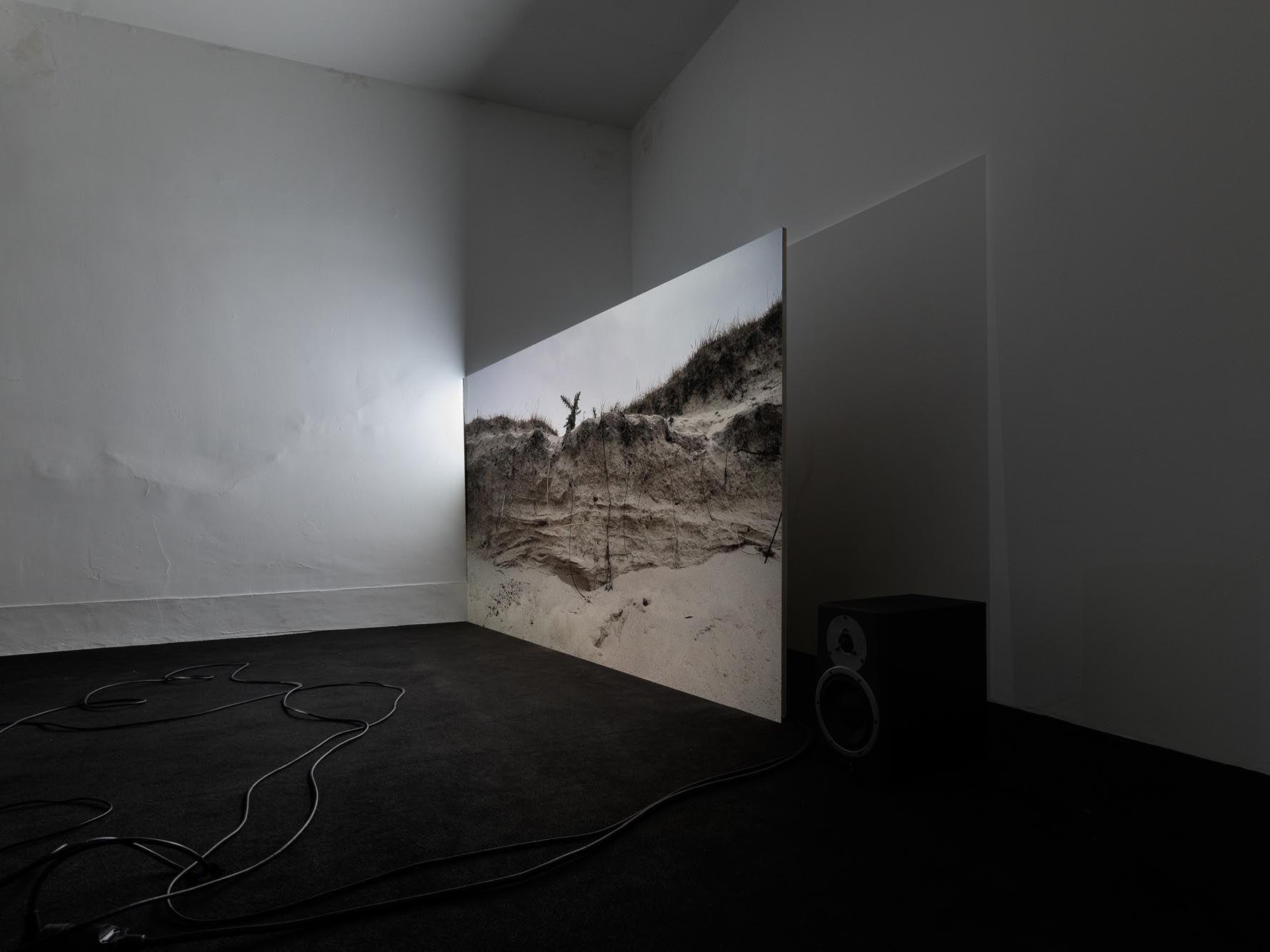
Film installation, view of the eponymous exhibition, Maison Salvan, Labège - Photo: © Vincent Boutet
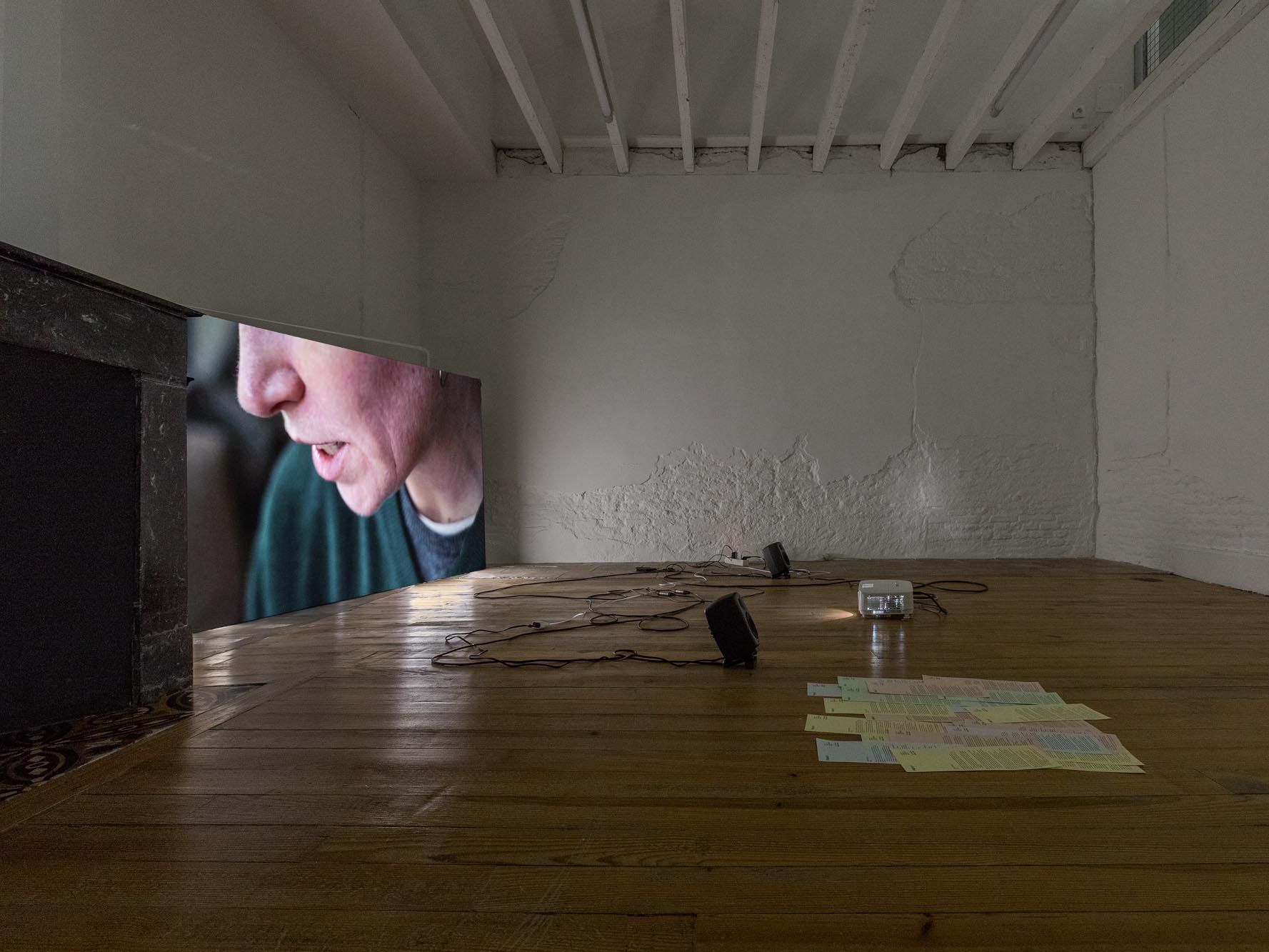
Film installation, view of the eponymous exhibition, Maison Salvan, Labège - Photo: © Vincent Boutet
Delving into her field of research to the point of settling there is a step Laura Molton did not hesitate to take. In 2019, she joined the Le Rozel archaeological dig — a complex site endangered by coastal erosion. In La strate empreintée [The Imprinted Stratum] (2019), her camera wavers on the sand’s edge to capture historical echoes from the surface, whilst the acoustic material attempts to penetrate the subsoil. The artist likes to search blindly, to let herself get carried away and to slip into infra-worlds. The excavation creates a time-tube… architecture students whisper that in order to see, you have to destroy.
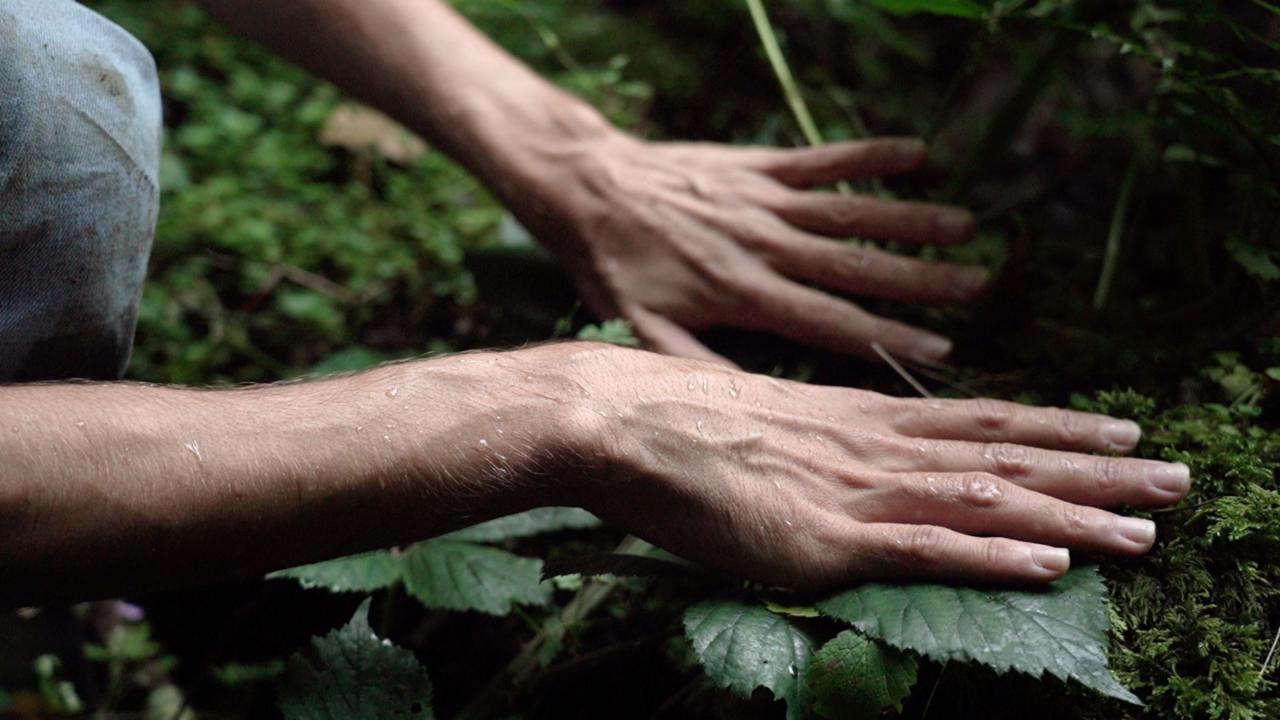
Around that same time, Laura Molton found out about the La Hague reprocessing plant and the Manche radioactive waste storage centre (monitored by the ANDRA) — in activity since 1966 —, and understood the rift they had generated with Normandy’s rural past. She became acquainted with activists involved in the Association for the control of radioactivity in western France and with members of the Piscine nucléaire stop collective, and looked into family archives of an anti-nuclear struggle that was not “memorialised” in collective history. The storage centre is the reversal of Le Rozel: it digs to bury, rather than to reveal. A year later, her need to be on the site of her investigations to bring out their intimate memory led her to move to the Cotentin Peninsula. For the past five years, the artist has explored its moors, its shady woodland and its streams, recording, observing and collaborating with residents, trying to find ways to pass on the information received in ways that are sensitive and resonate with La Hague. In her filmic installation remonter les rivières [going upstream] (2023), she juxtaposed the body of the land damaged by invisible pollution with the human bodies that inhabit it. Laura Molton weaves a dialogue between these membranes. She captures the physical feel of the environment, whether it be of a plant, the tortula blooming in the water, or of a dancer merging with the river like an ant apprehending its surroundings with its antennae. Despite being aware of potential disaster, populations remain in these areas out of a desire to act on them. Their attachment prevails over danger. This ambivalence and tension fuel the narrative in snippets: the people filmed invent gestures and a contact with the soil in order to reclaim a story that has remained concealed.
… GIVING BACK…
The importance of site-specific creation, in constant connection with a community and its geographic territory, also lies at the heart of Les Géorgiques [The Georgics]. Eschewing the utilitarian model, one of the specificities of this project that Céline Domengie initiated in 2020 with the support of the association Le Belvédère is to consider the Lot Valley as a guide rather than as a resource to exploit. Mindful of the lack of recognition of rural areas by city dwellers, the initiative listens to the voices of local residents and conveys the interdependence of humans and natural habitats in three acts: the organisation of banquets, walks and convivial moments (Ateliers d’otium [Otium workshops]); the cultivation of a plot at the agricultural college in Sainte-Livrade-sur-Lot (Terre vivante [Living Land]); and the creation of a travelling flotilla and its associated activities (Poïpoïdrome flottant [Floating Poipoidrome]). The notion of giving and counter-giving is fundamental to Céline Domengie, who wants the actions that she carries out to offer the Lot area something in return. With this in mind, she welcomes, and even sometimes prompts, encounters that would not occur elsewhere, invites outside contributors, and helps to bring down the barriers and biases between fields that seldom mix (agricultural, cultural, scientific). Such exchanges foster reciprocal relations and create a dialectical reversal of the learned figure and of hierarchies of knowledge.
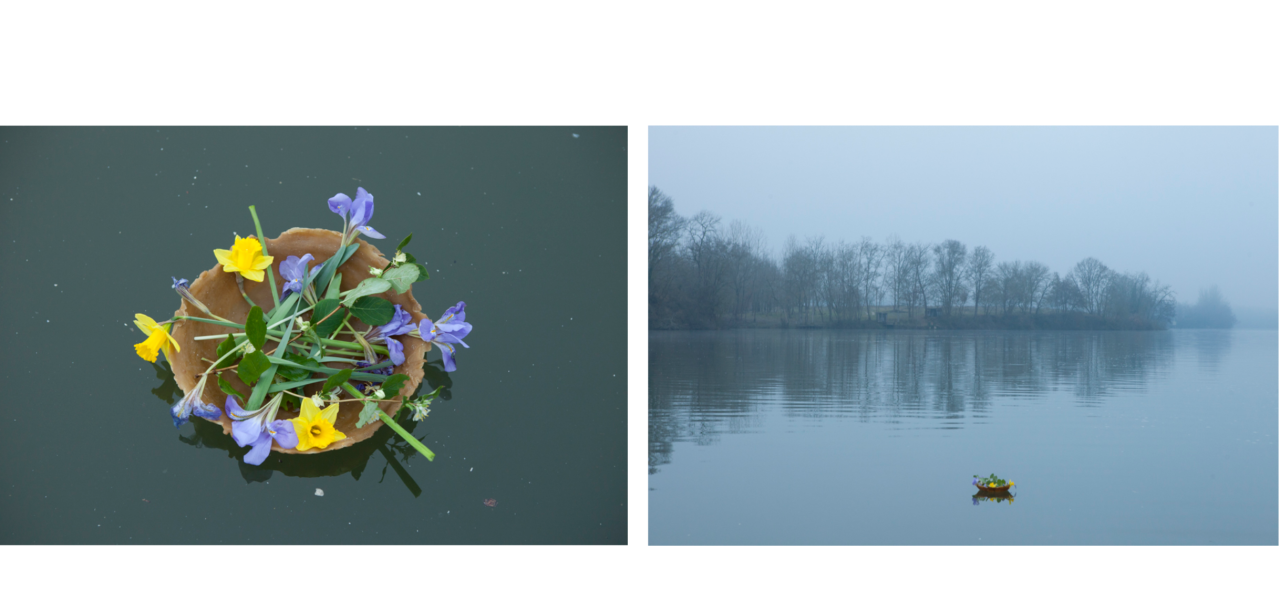
Bouquet perpétuel, Joachim Mogarra, Frac MÉCA Nouvelle-Aquitaine collection. Location: Saint-Sylvestre-sur-Lot.
Photo: © Céline Domengie
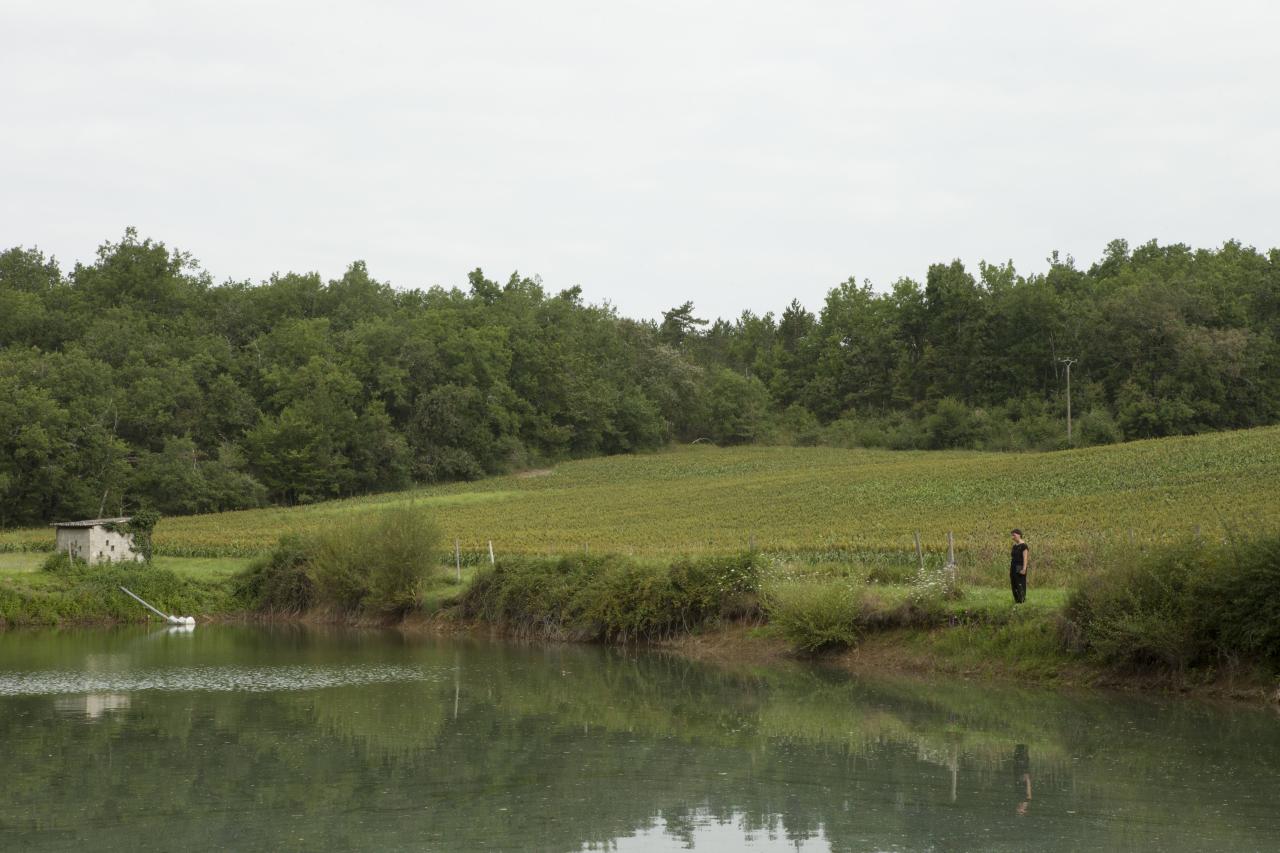
Photo: © Céline Domengie
The collegial nature of Les Géorgiques’ community-based structure urges us to remain in motion, and therefore carries a strong political dimension. Céline Domengie insists on the fact that artistic and poetic activity opens up a space for public debate, in which we might conceive a group’s common modes of existence. Through this platform, which exists outside of the museum’s framework, artists, scientists, residents and students can work together and share their personal relationships with their environment. In addition to the artist’s own productions, several other creative registers come together, sometimes even challenging the very notion of what constitutes a work of art or an author. At times, for instance, the mutable group will suggest participative actions in nature. Alongside these initiatives, artworks by other artists are also allowed to take root, to nest in Les Géorgiques, as the context and contacts they establish go on to inspire their videos, photographs, performances and sculptures.
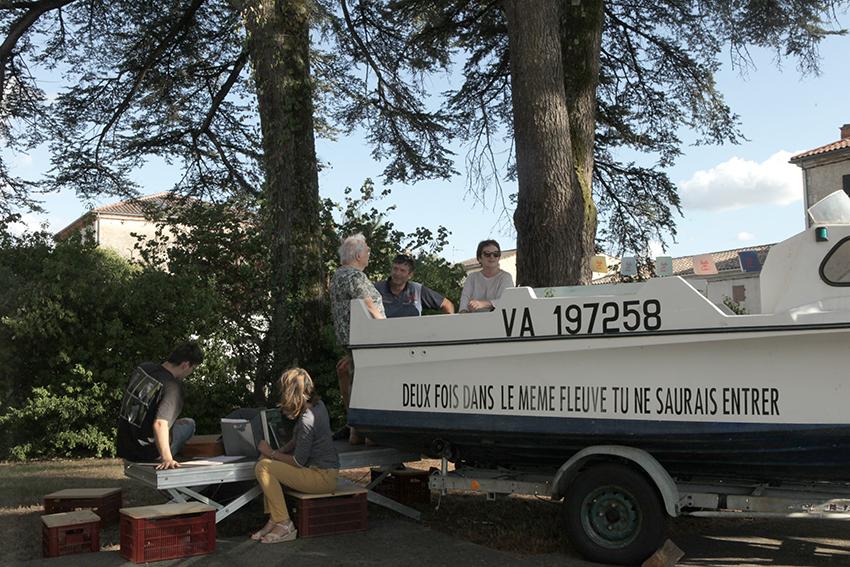
Photo: © Céline Domengie
… AND FLOWING THROUGH UNIVERSES
A similar dynamic of reciprocity permeates Benoît Laffiché’s relation to the seven traditional fishing districts of Yoff, in Dakar, which he visited for the first time in 2011. Since this initial stay, his friendship with Mar Gningue, from the Lebu people — who are inherently connected to the sea — has been decisive. Over the course of almost fifteen years, he forged a bond with this adopted land and and wove connections between it and other oceanic areas (Colombia and Brittany, where he lives). Spurred by his interest in the links between traditional fishing, overfishing, global warming and migratory flows, he founded the collaborative project Superfish (2018-23), which included contributions from residents and artists (Rodolphe Huguet and Baye Mor Badiane, as well as eight others1 for the exhibition Tout Pirogue, Artothèque de Caen, 2023).
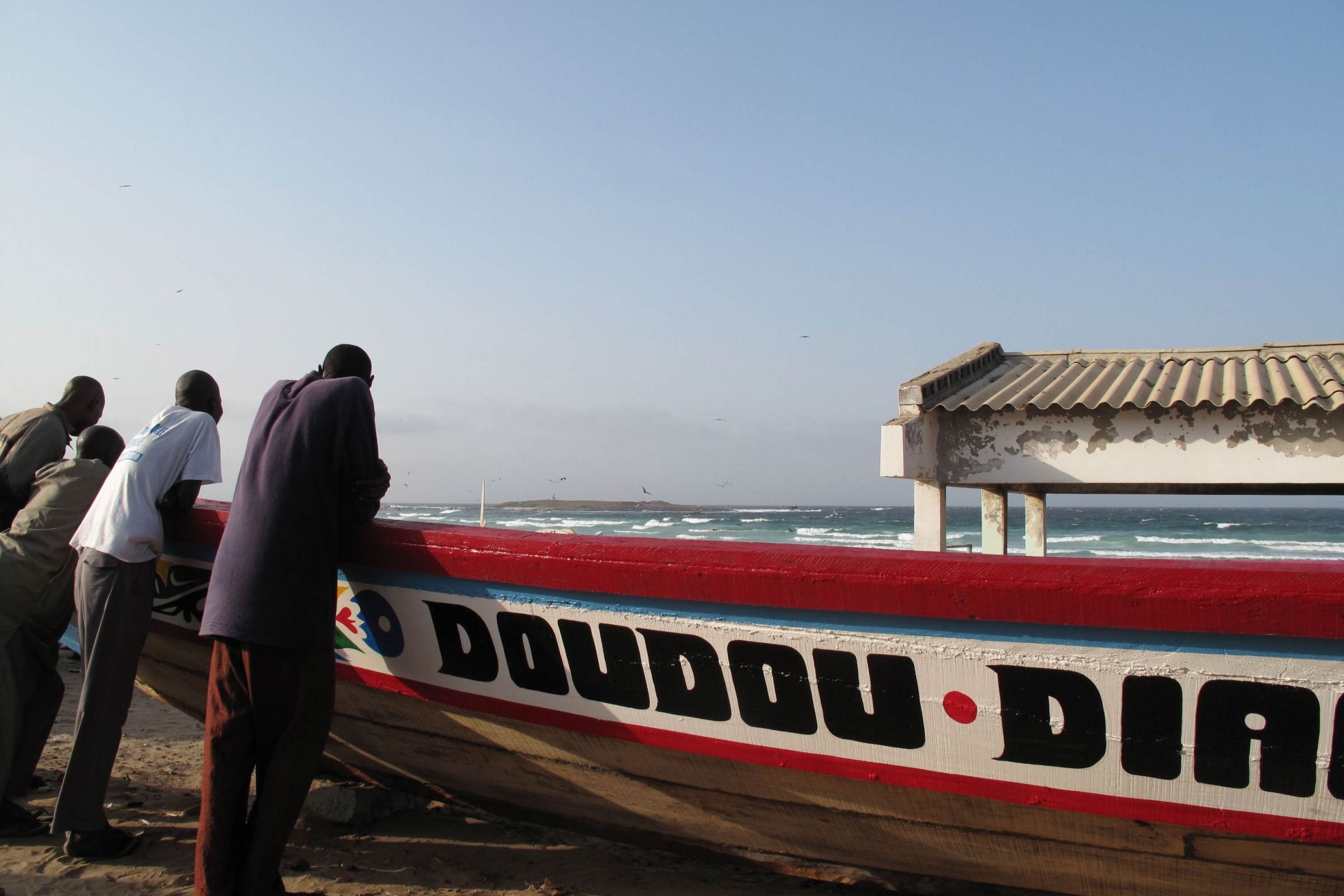
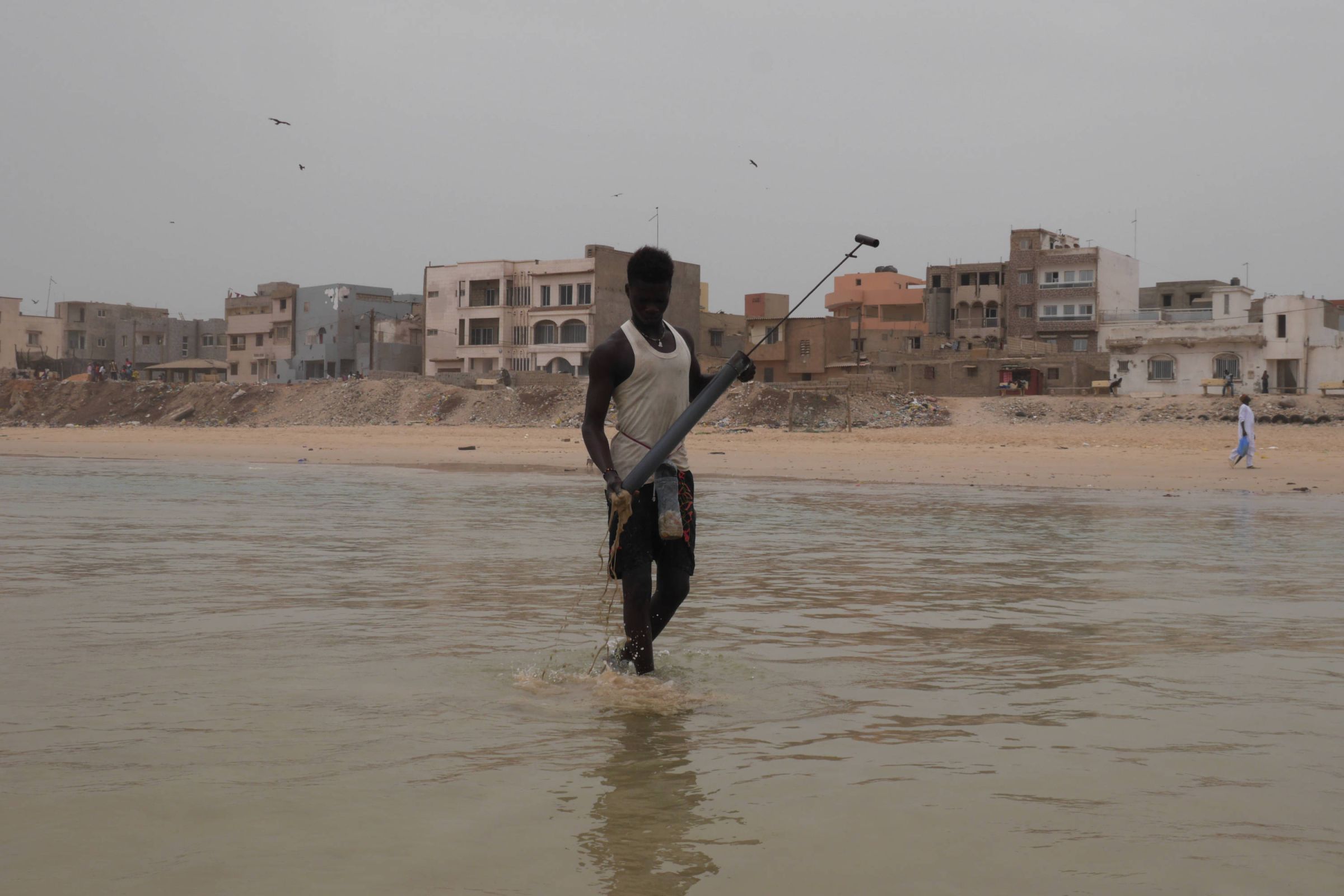
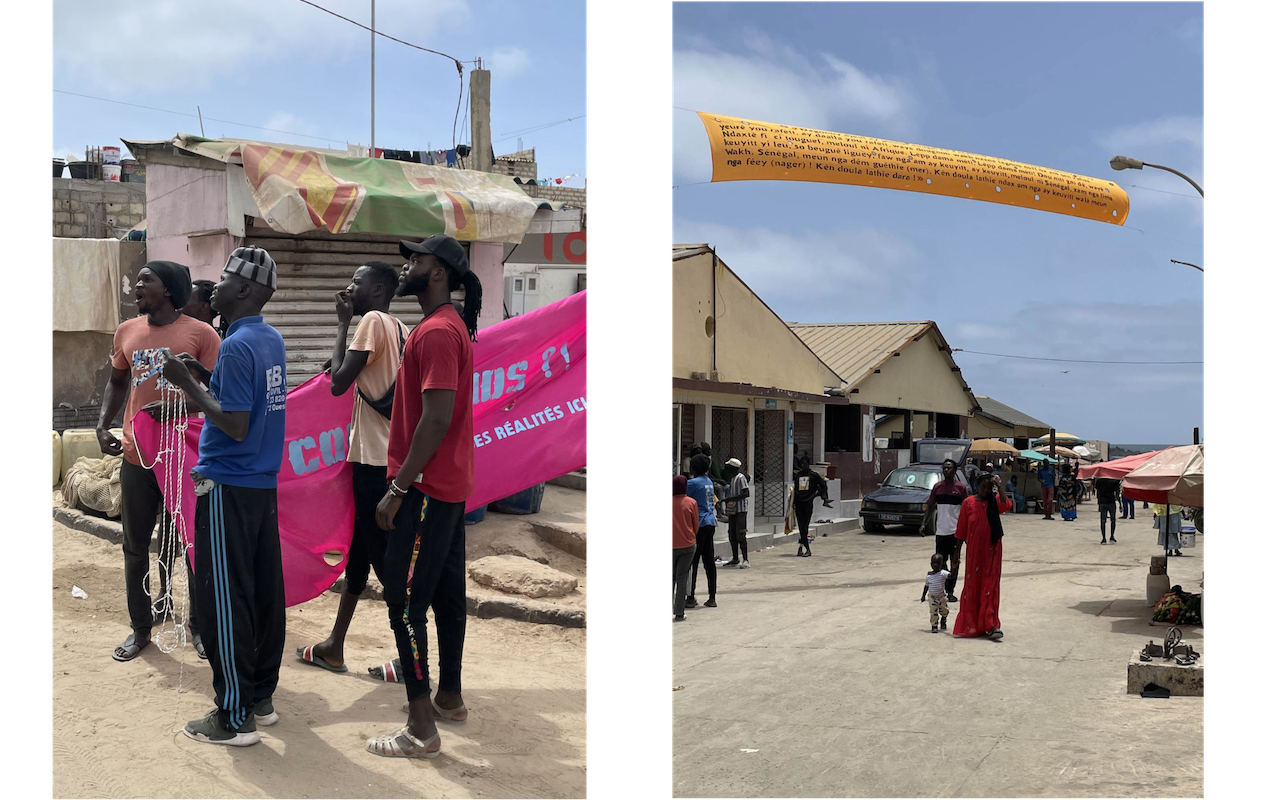
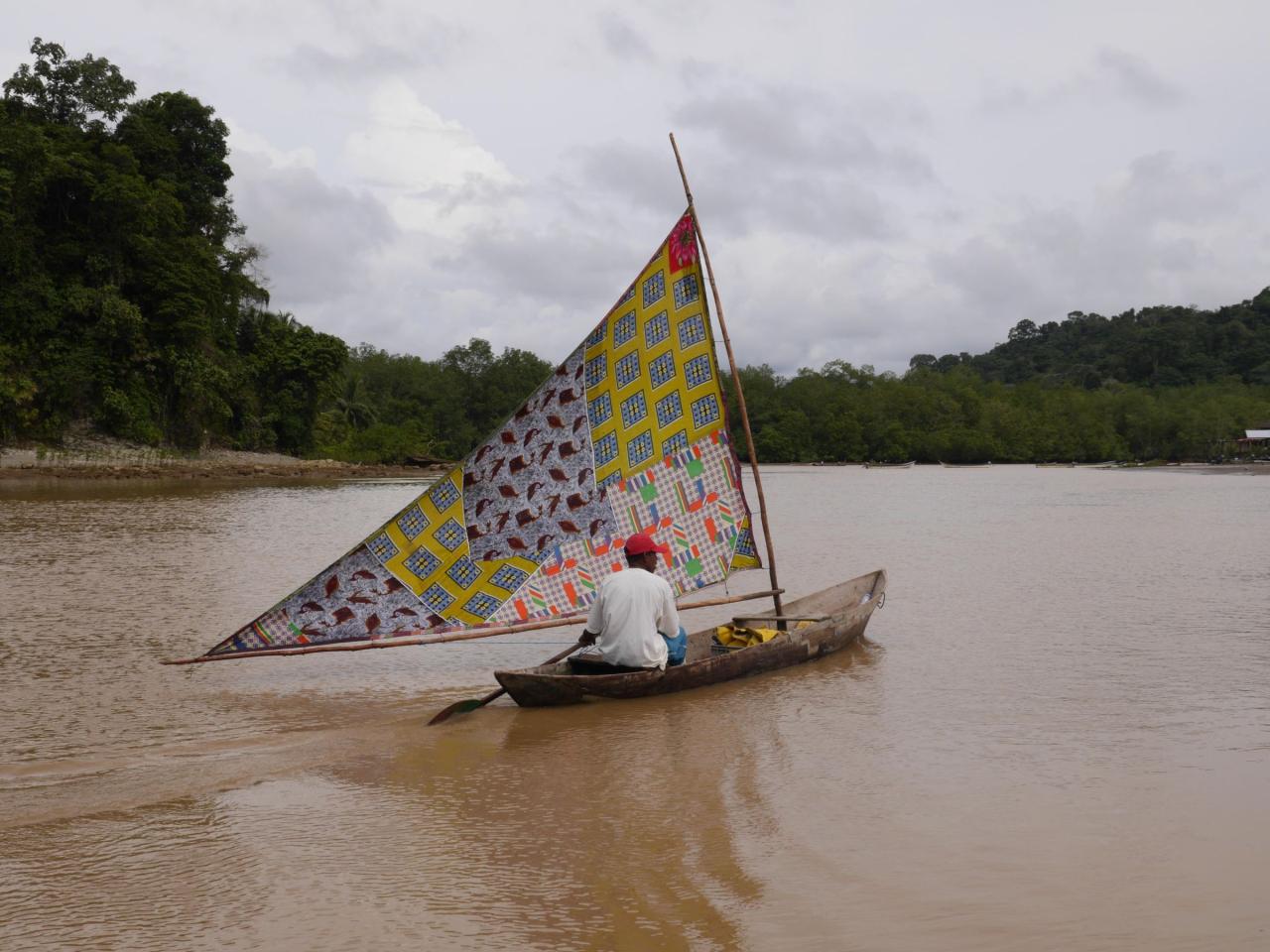
Photograph, 50 x 65 cm. Sail made in collaboration with Wilfrido Buen Año López and Sobeida Valencia, fisherman and seamstress from the village. Traditional technique, West African fabrics. Jurubidá, Chocó, Colombia, 2019
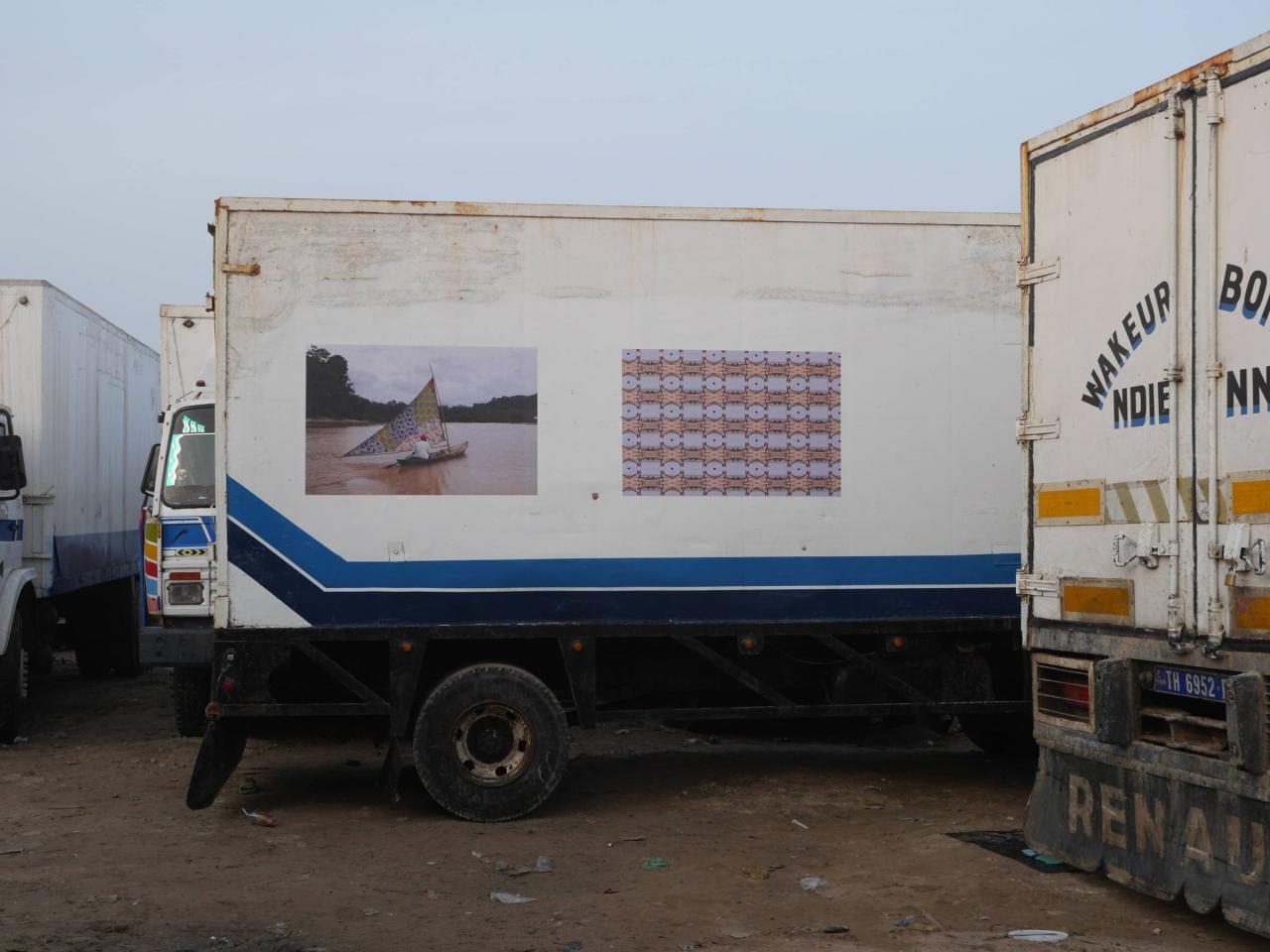
Stemming from on-site encounters and observations, Benoît Laffiché lets his research “drift”, leaving room for surprises. He presents site-specific artworks conceived collectively, drawing inspiration from everyday life. These works make invisible gestures tangible, create fictions within reality, and crystallise discussions. The constant flow between the artists, the people the works are dedicated to and the chosen territory is fundamental, fostering new interpretations born out of this circular motion. In Jurubidá, in the Afro-Colombian land of Chocó, he and Rodolphe assembled Une Voile [A Sail] (2019) for a fishing boat, made out of fabric brought back from Senegal. In Yoff, they covered the walls of the fish market with OOOOO (2020), a selection of photographs, which, if not for Covid, were intended to travel through Senegal on fishmongers’ lorries. They also hung Banderoles [Banners] in the streets (Dakar Biennale, 2022) — these “paintings” in the public space, on mediums usually meant to announce local events, relate Mar’s experience of migration in Spain. Thus Superfish disseminates images and narratives through the use of poeticised utilitarian objects. Much like in remonter les rivières and Les Géorgiques, the human is at the centre and the act of giving is structural, whether this means gifting Jurubidá residents the card game Los pájaros (2021) or having the pirogue Rana Dalmatina (2020) certified to sail the English Channel.
When talking about her work, Laura Molton often mentions the idea of bringing to light stories cast in the shadows. This is one of the undeniable strengths of this type of creative research: the constitution — through alternative participatory processes — of spaces that welcome voices that are seldom, or never, heard and the weaving of dialogues between individuals who would not have otherwise exchanged. In the aforementioned projects, artistic gestures engage otherness and provide opportunities to revisit intimate connections to a geographic territory, while also understanding the broader issues at play there, particularly from a political, social, ecological and historical standpoint. These collaborations with residents and/or in everyday life function as laboratories. The investigations that are carried out bring together new forms of palpable, sensitive, knowledge rooted in locality and also help to unearth forgotten or fading memories. For Céline Domengie, these forms offer something which does not exist yet and which pushes the boundaries of what a work of art, interdisciplinarity and togetherness could be.
In a sense, organising an exhibition is not the end goal of these practices, since most of what they entail is not even shown. The timeframe is not that of the event but that of exchanging and trust, Benoît Laffiché points out. The experiences shared together on site and their accessibility and reception by multiple audiences is what matters most. In his case as in Céline Domengie’s, the works created are often modular, lightweight, and at times short-lived. The interpenetration of art and life requires an intuitive approach as well as time to cultivate relationships between the participants. In the Cotentin Peninsula, the Lot Valley or in Yoff, the artists are in for the long haul. This can be felt in the non-linear and fragmented timeframes of remonter les rivières, Les Géorgiques and Superfish, and in the way the issues pertaining to these spaces are tackled as a two-pronged approach: locally and in relation to other areas. Laura Molton describes this pivotal role as situating oneself “between boundaries”. The act of creating a piece without field research is too formal, and research without an aesthetic gesture is too documentary. In the examples described here, on the contrary, knowledge and tessellated memories are passed on in a free-flowing experience where contributors and audiences are encouraged to journey into each other’s respective worlds.
Note :
1 Gabrielle Decazes, Clémence Estève, Guillaume Pellay, Guillaume Pinard, Babeth Rambault, Jean-Christophe Roelens, Ambroise Tièche et Aïda Ualiyeva.
Text produced by Réseau Documents d'artites, 2024.