Guillaume Chamahian
Here we have a perfect reflection of this trial: everything is true and nothing is true!
— Albert Camus, The Stranger, 1942
Despite the power of imagination and the strategies — conscious and subconscious — of denial or protection, there is no elsewhere to turn our gaze away to escape this conflict-ridden world that reveals various facets of mankind’s cruelty and barbarity. Violence is perpetuated throughout the millennia, pervading lives and landscapes alike. One cannot stifle or forget one’s heritage for too long: in one way or another, it eventually wells up or breaks out, cracking taboos and silences.
In his practice, Guillaume Chamahian confronts the darkest parts of recent history and the trauma they have induced, particularly through the lens of wars — in Syria, Sous les balcons fleuris [Under the flowered balconies, 2013-23] — and genocides — Khmer Rouge, Sombre mémoire [Dark memory, 2010]; the Holocaust, L’histoire ne se répète pas, elle fait des gosses [History doesn’t repeat itself, it has kids, 2012] and Bosnia, Four elements [2010]. By questioning the construction of images, the artist investigates the mechanisms of power, its perpetuation and its continuity in diverse political, historical and geographical contexts. His work delves into the world’s chaos to examine the banality of evil and reckon with the ordinary monsters lurking in the shadows, sometimes asleep, sometimes ravenous. “That is when the other beauty emerges, a beauty so oddly beautiful from carrying its alter ego, which is the most ancient of pains.”1
Satellite views of the Earth, live camera feeds of natural sites and streets, surveillance screens or live streams, down to the intimacy of individuals unabashedly exhibiting their everyday lives and their organs via realcam: the visual and narrative pacing of Et 1000 yeux qui guettent le monde [And 1000 eyes watching the world, 2024] is dizzying. Its hypnotic litany is reminiscent of the continuous influx of images and data we are bombarded with. Their proliferation and virality, and the way they are more or less immediately replaced and forgotten, can make their authentication difficult. At first documentary and historical, photography established itself as a bearer of reality and truth — two notions seldom made to agree in the singular. So what does the phrase “visual proof” mean nowadays, in a context where these images are in turn brandished by social and environmental justice activists and Holocaust deniers and conspiracy theorists alike?
These ambivalences and the paradoxical power of images fascinate Guillaume Chamahian, although he does not actually trust them. While they may raise awareness, keep records, and even bear witness, they can also lie, misinform or have a numbing effect when repeated ad nauseam. Most of his works accentuate the inherent friction at play between the representation, perception and manipulation of reality, and highlight our ambiguous relation to them, oscillating between voyeurism and apathy. The artist playfully denounces propaganda with his spot-the-difference diptychs (Seven mistakes, 2007) and jigsaw puzzles (Sous les balcons fleuris) of the al-Assad family, the missing pieces of Bashar’s face pointing to the Syrian regime’s use of a public relations agency to polish its image. The figures of the father, the State and Evil merge together in these classic family portraits where the patriarch could be substituted for any other man. In the same vein, he addresses the mechanisms that shape media images and more specifically the subject of fake news in his video Oussama aux Bahamas[Osama in the Bahamas, 2016], in which photomontages uncover the presumed life of the terrorist in the tropics. The visual coverage of events inflects their analysis and the narratives that dominant history constructs around them. In this regard, the artist explores our collective imagination by recreating the shock of the September 11 attacks through the looped cacophony of the Twin Towers collapsing as it was broadcast on news bulletins in 127 countries — Breaking news (2016) — or by revealing the associations between our recollections and memorable historical events — Vous étiez où ce jour-là [Where were you on that day?, 2007] takes us back to the Tiananmen Square protests, the Fall of the Berlin Wall and Neil Armstrong’s first steps on the Moon.
Between the lines, Guillaume Chamahian is troubled that the depictions of violence no longer produce shocks and that the shift towards the tipping point where the unthinkable becomes reality is so easy. Does the accumulation of visual proof void it of meaning and thus annihilate its value? Could it be that, today, the use of images in conventional and social media is contributing to this escalation? Otherwise, why is it that the work accomplished by those who collect testimonies, preserve memories and document horrors does not seem to be able to prevent the recurrence of massacres? The artist is obsessed with the tenuous divide between persecutor, victim, and accomplice. He always keeps in mind that “a simple gesture means immediate death on the one hand or a life hanging in the lanace every day on the other”. To quiet his fear and ward off the feeling of powerlessness, his act of creation is a remedy. It also marks a form of responsibility, in that his works carry the voices of those who do not, or no longer, have any. For instance, the artist scoured the many photographs contained in the César report on the Syrian regime’s victims in order to preserve traces of their identities. The result of this process is a hefty book, Nom de Code César [Code Name César, 2020], which illustrates how much his practice is haunted by present absences. Chamahian’s ghosts reveal our relationship to images: that of a contemporary society which neglects our shared humanity.
Lately, the artist has moved away from the strictly visual realm. In Effacer le monde [Erasing Le Monde, 2024], inspired by the practice of blackouts (also called erasure poetry), he altered the front pages of the eponymous newspaper to create new, “catchier” headlines. In Image pour inciter [Image to incite, 2025], he continues his textual exploration by asking a generator to produce prompts describing significant historical photographs. Guillaume Chamahian observes how we might understand the world differently, through words, feelings, and the imagination — speaking of images without them, distancing ourselves from their omnipresence, in order to regain clarity and act. The artist’s quest for alternative grammars and his questioning of the missing image echo the impossibility of explaining human violence. For him, existence is insignificant, almost grotesque — in the interstice between birth and death, all we do is writhe around in attempts to fill the void. And yet… there is a life force that transcends us. It is this force and ability to reinvent ourselves that the artist chases after, as well as the potential of images as sources of an eternal new beginning.2
Notes :
1 George Didi-Huberman in the article Rabbia poetica. Note sur Pier Paolo Pasolini, published in the journal Po&sie 2013/1, No. 143. I quote this sentence for its resonance with Guillaume Chamahian’s practice.
2 “To reflect on images is to reflect on a new beginning,” George Didi-Huberman in the podcast “Penser les images”, France Culture, May 2023.
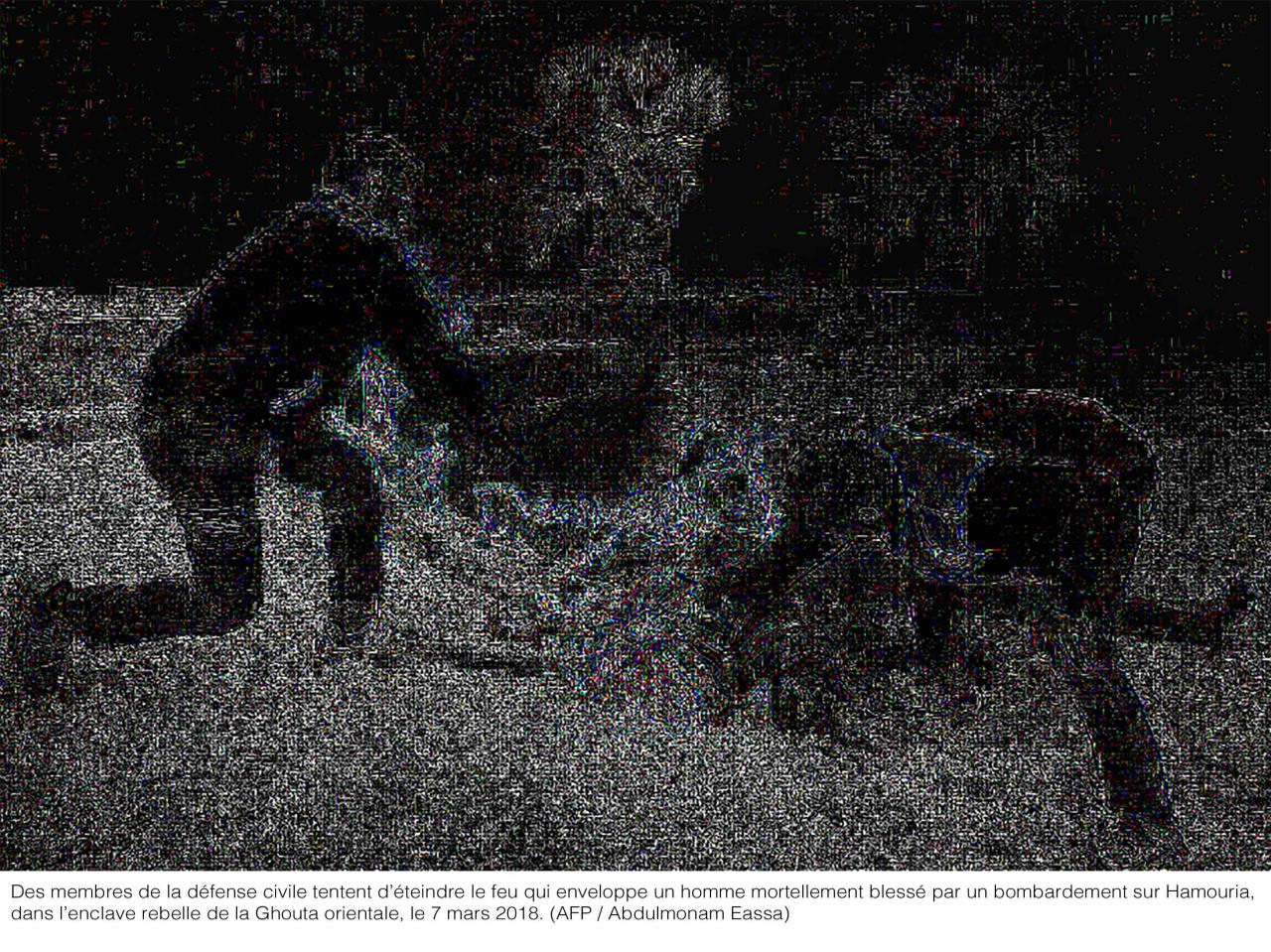
Photographs, videos, models, sculpture, objects, archives (60 works)
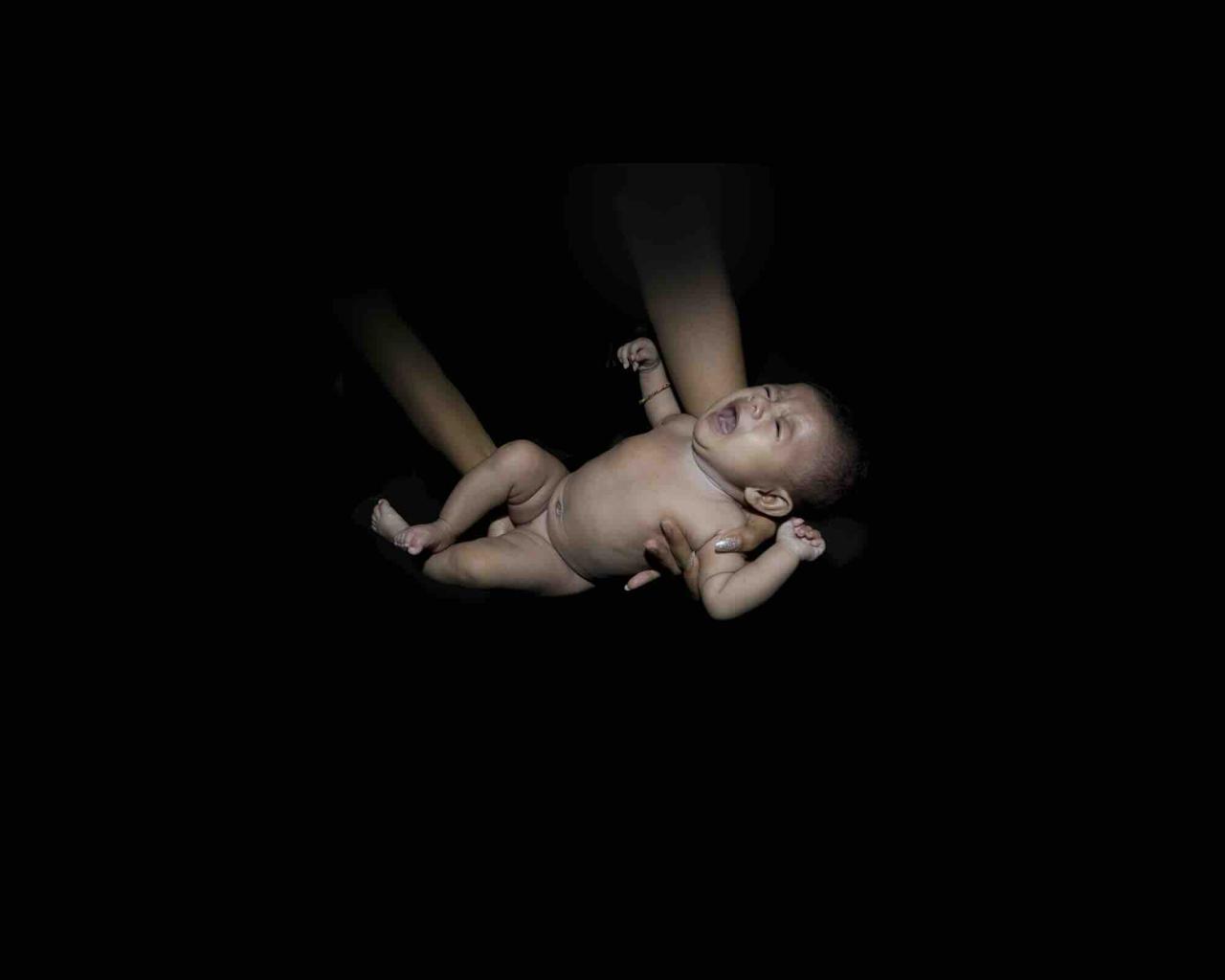
Lambda print, variable size
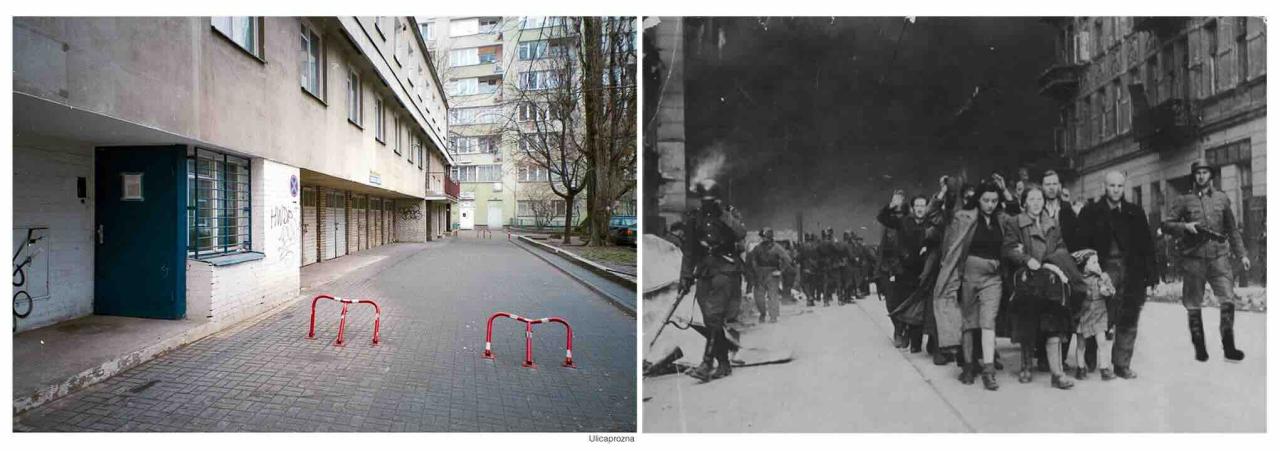
Digital print, variable size
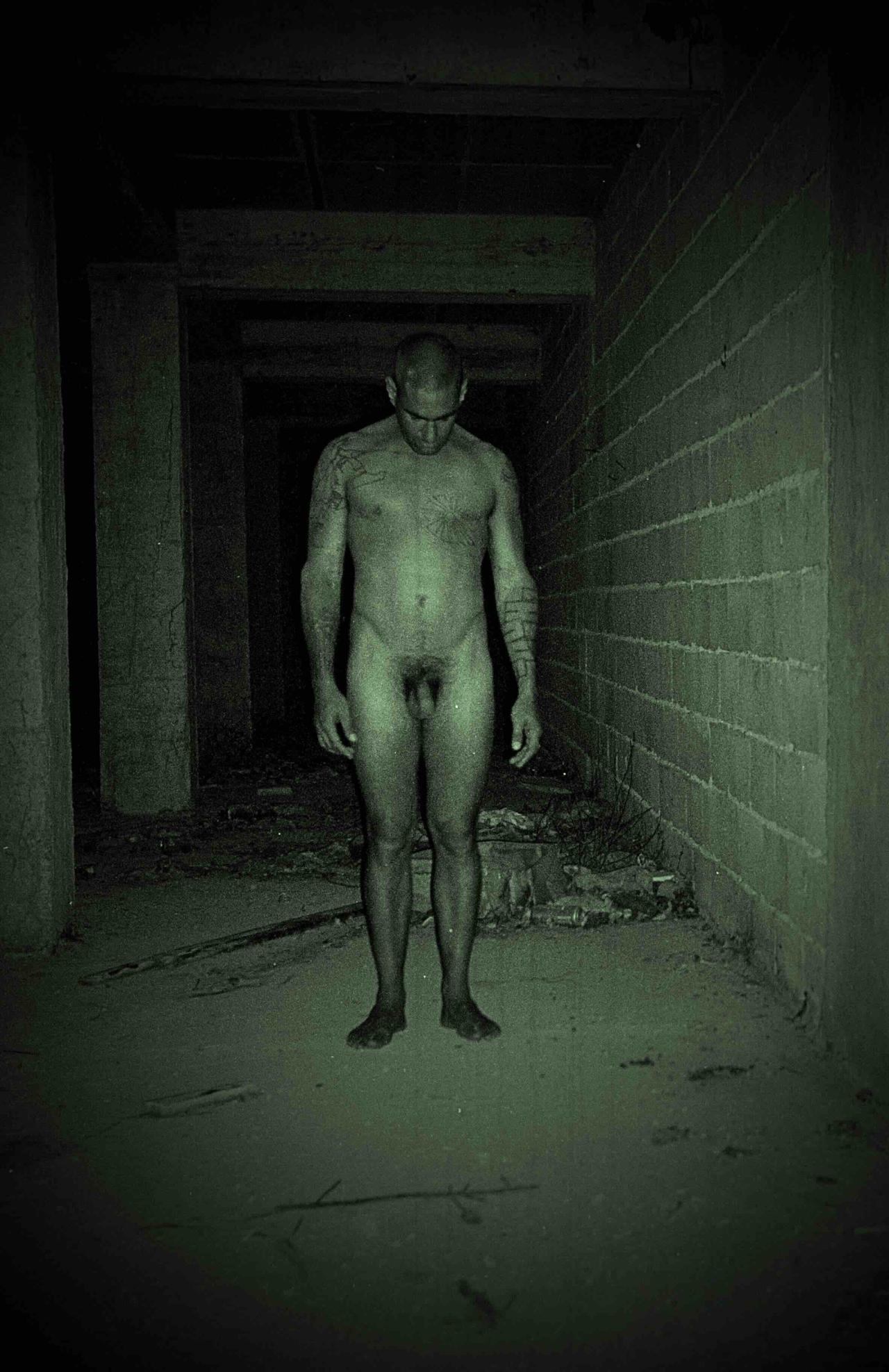
Variable medium, 120 x 180 cm
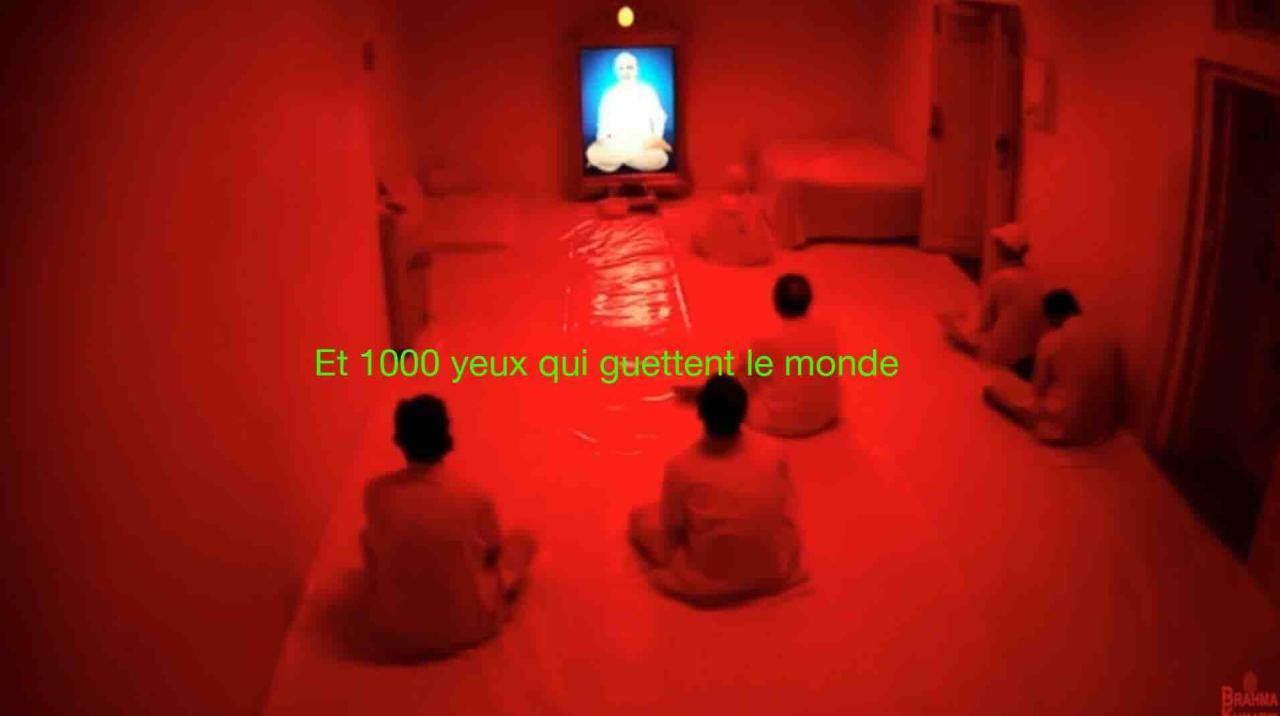
Film, 24 min
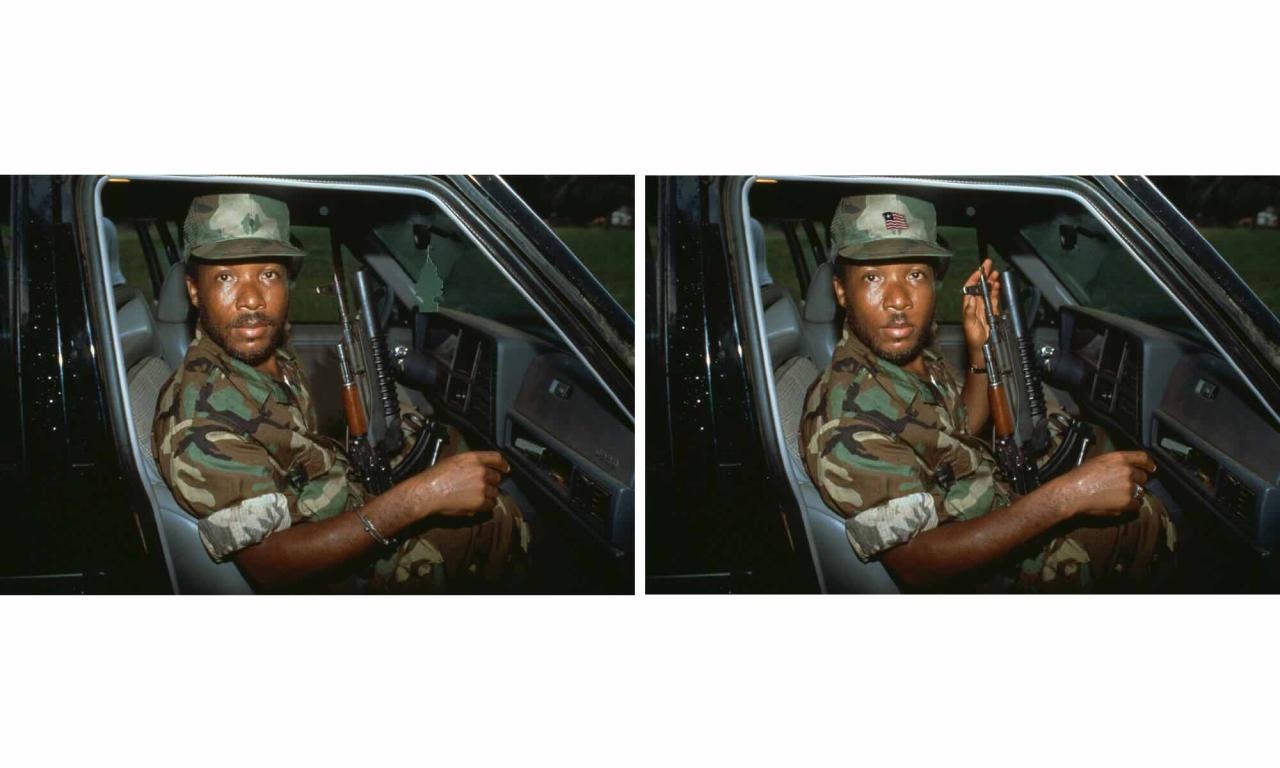
Editorial project
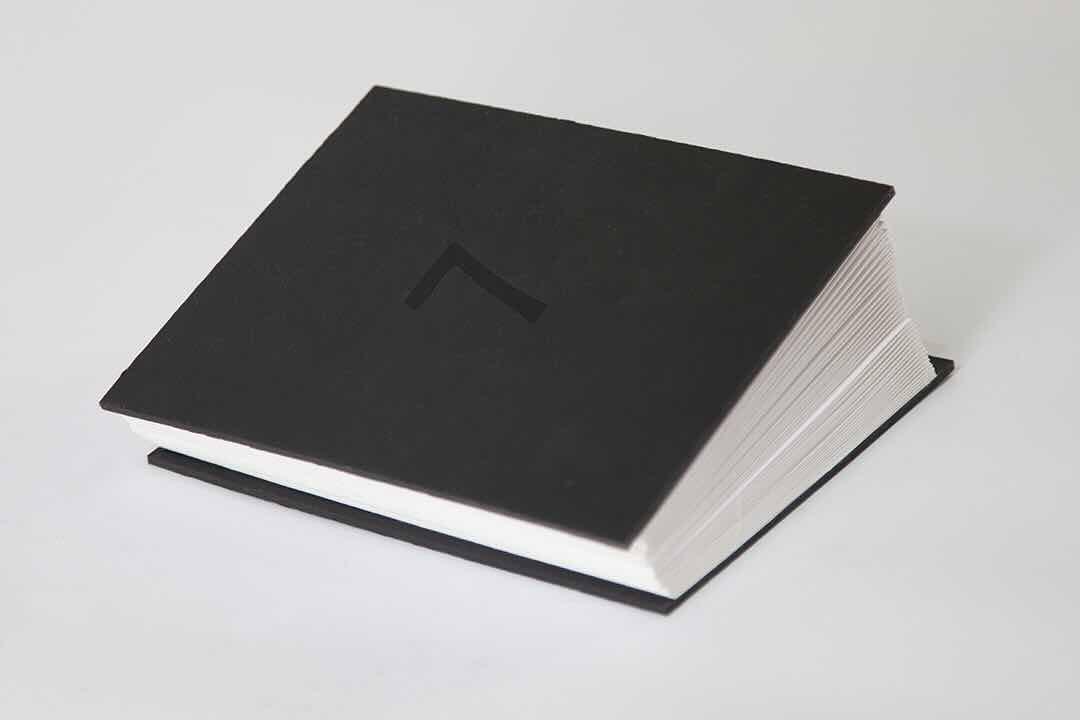
Editorial project
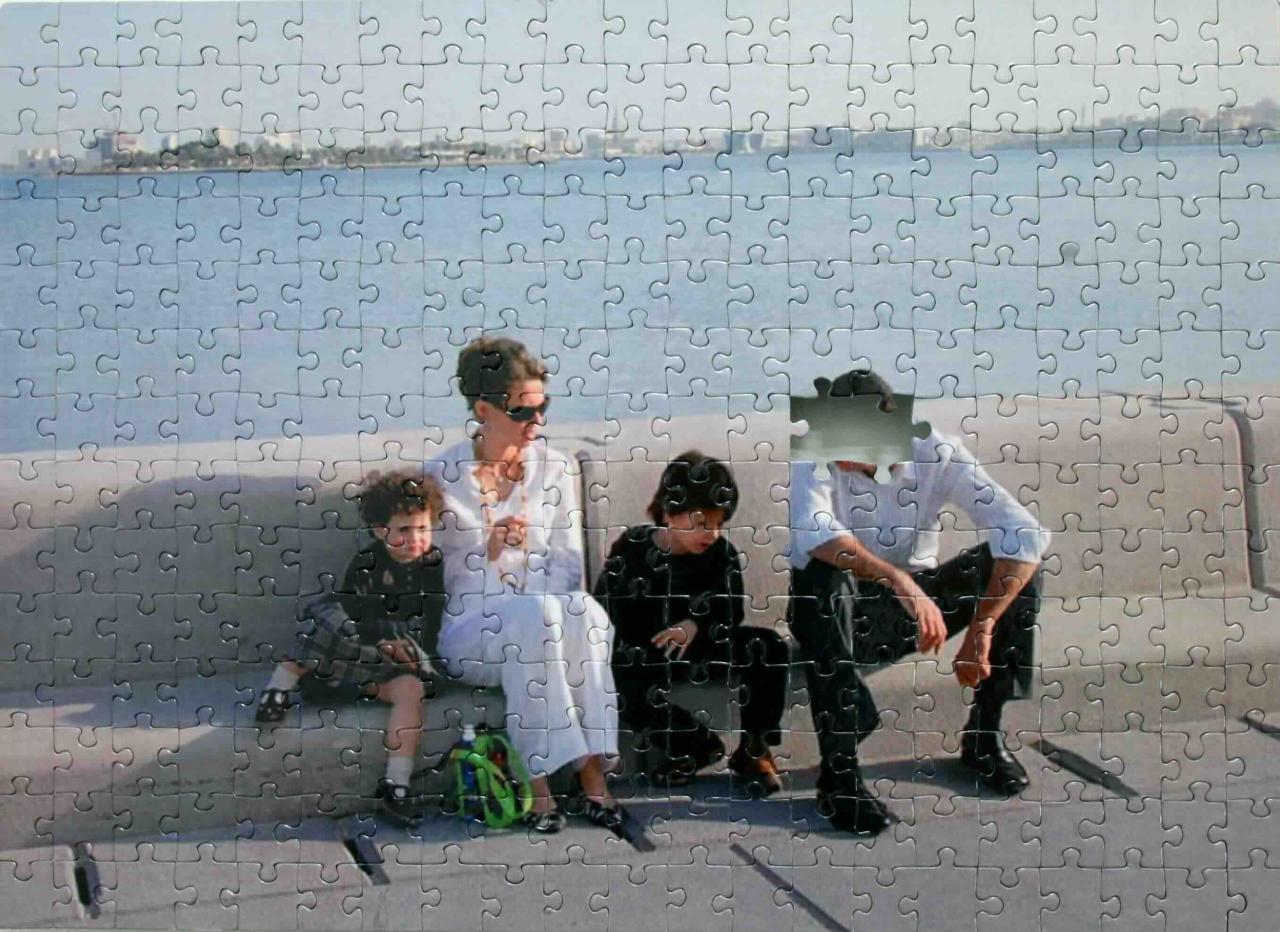
from Sous les balcons fleuris (2013–2023)
Puzzle mounted on dibond, 26 x 36 cm
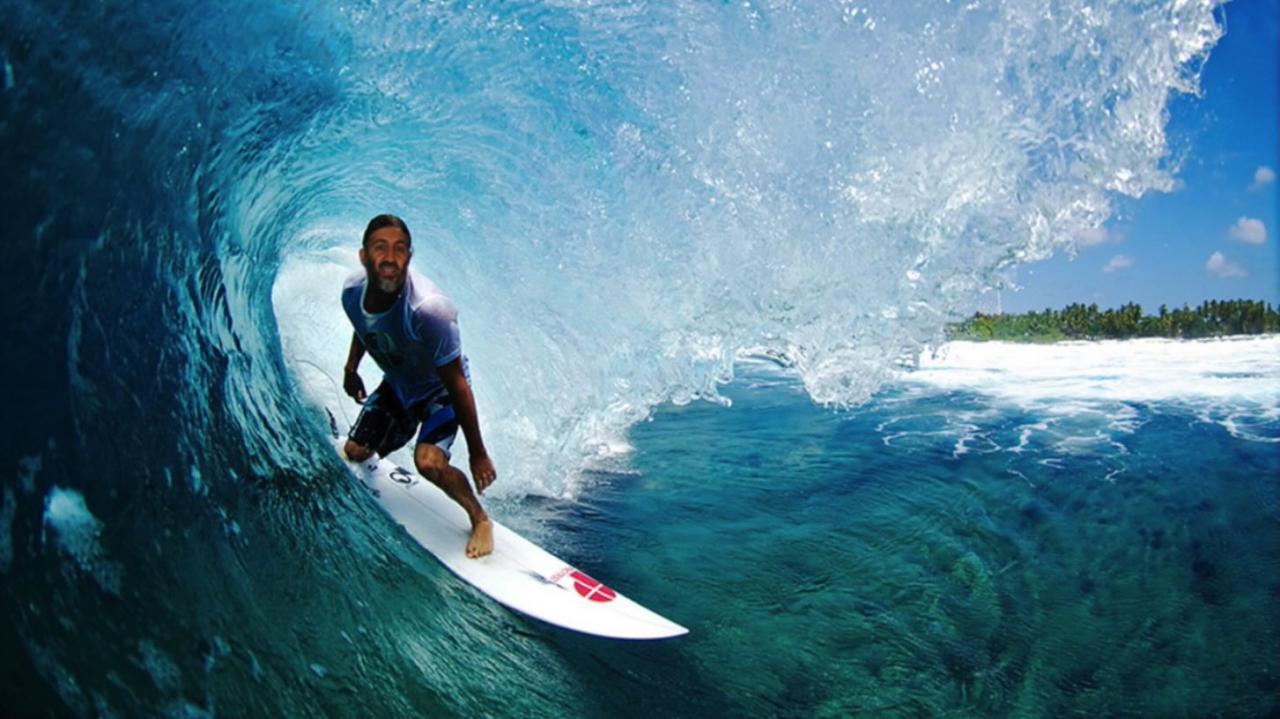
Video, 2min41
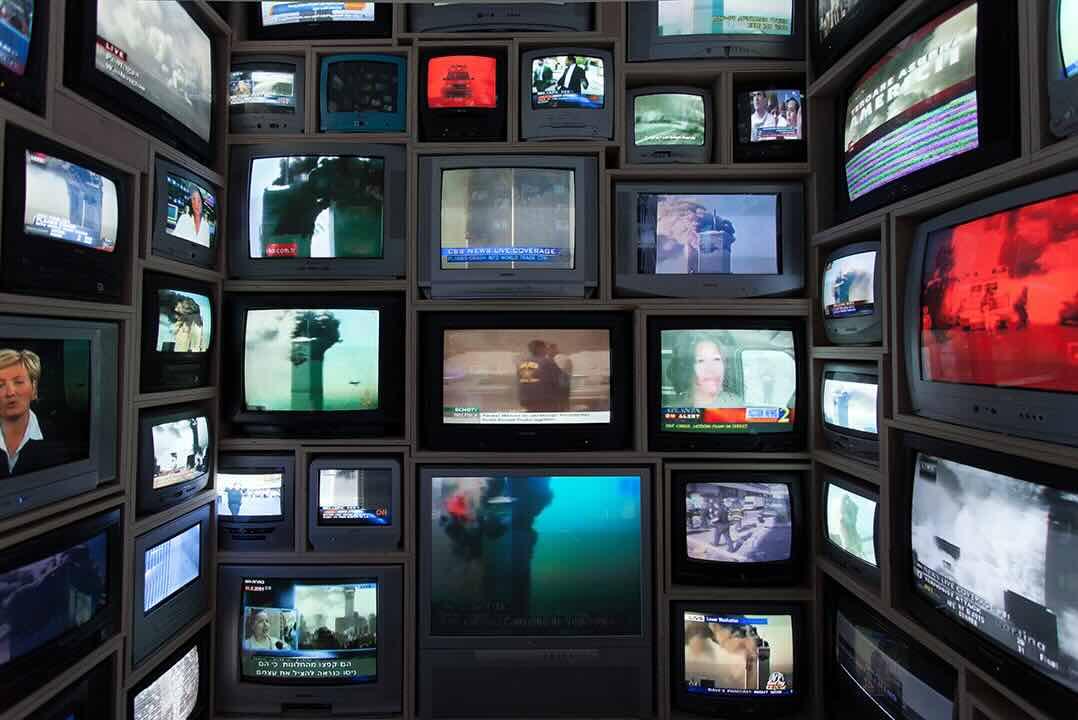
Video installation, 127 TVs and DVD players, wood
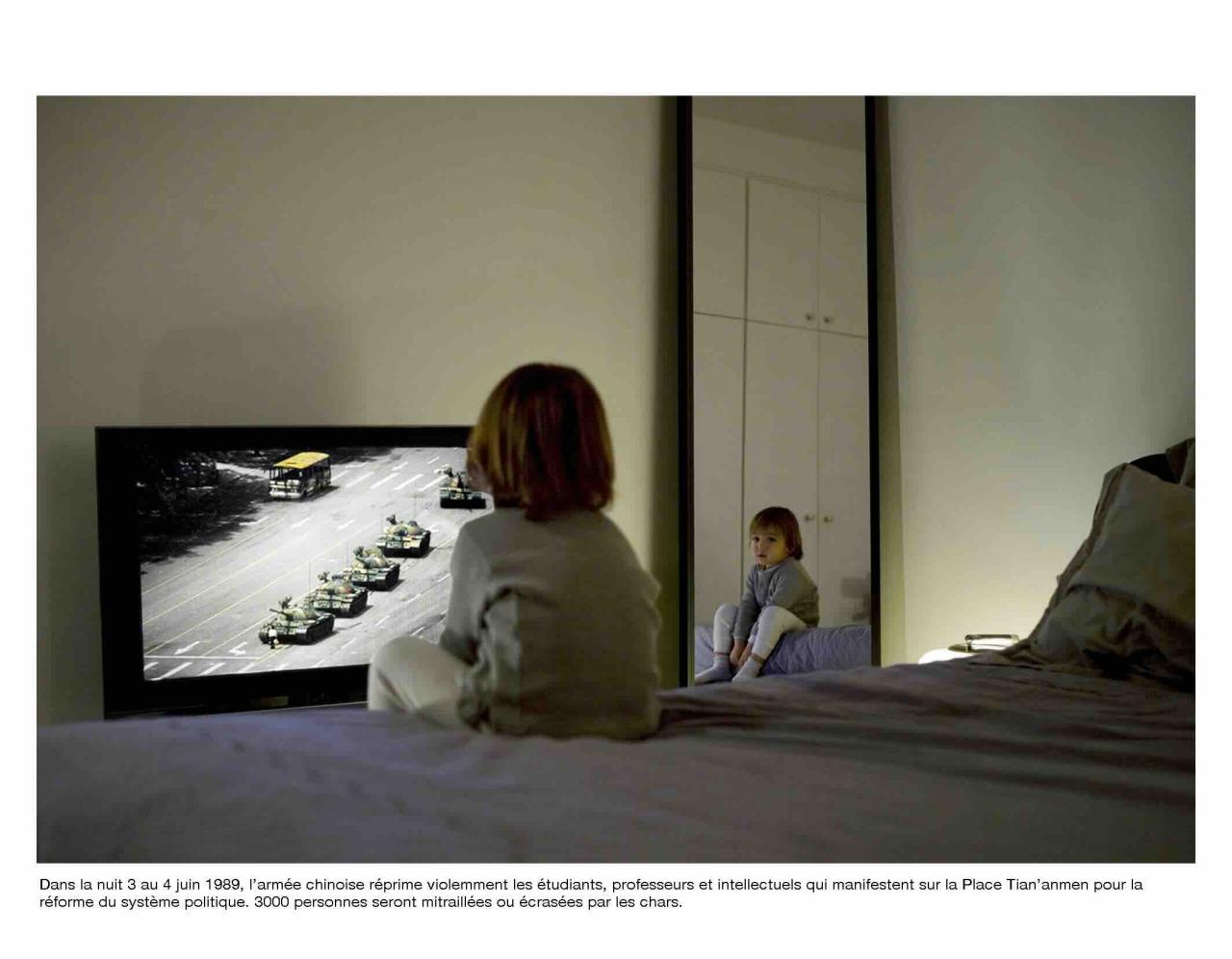
Digital print, variable size
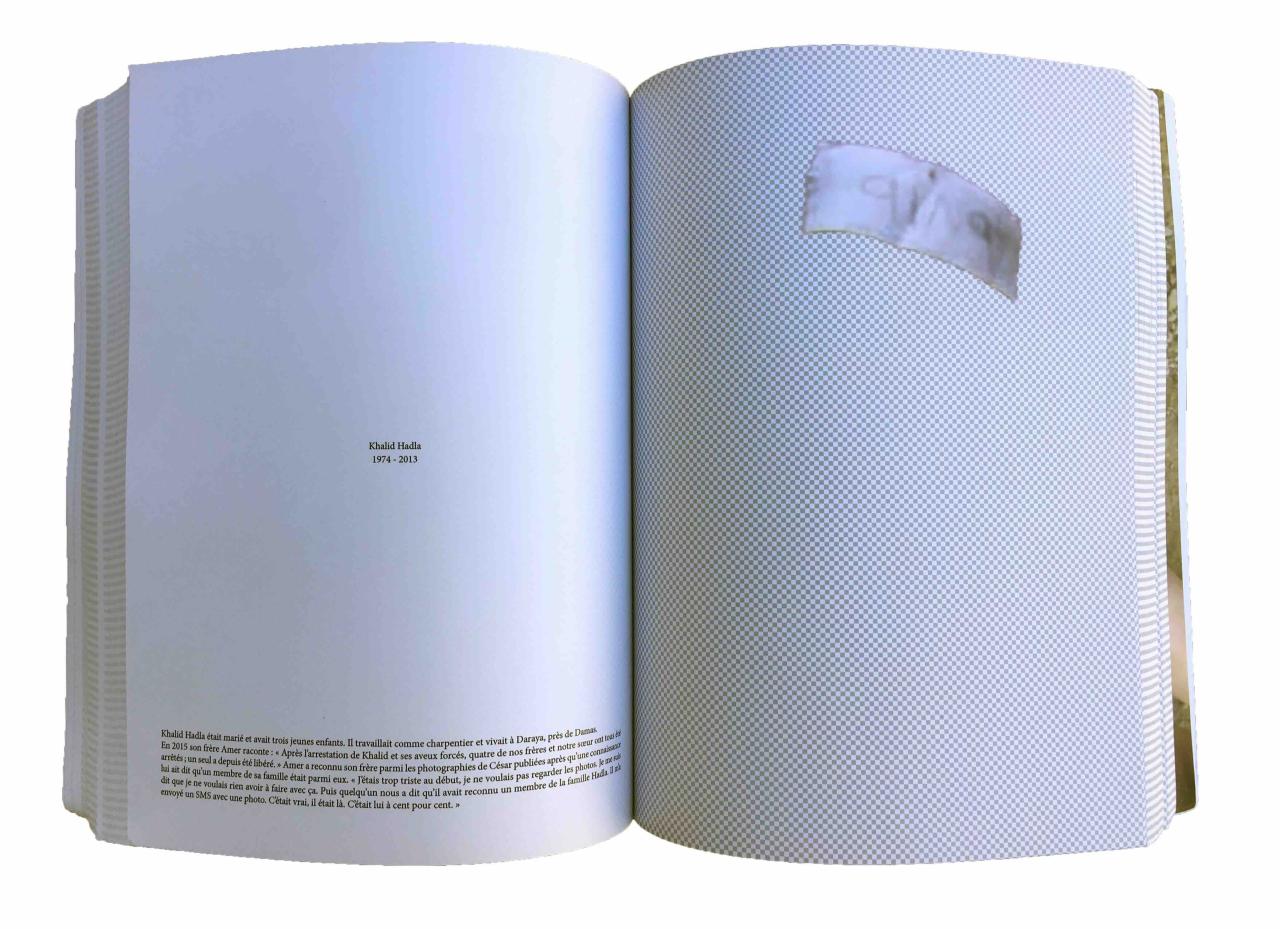
Limited edition, 20 x 26 cm, 580 pages
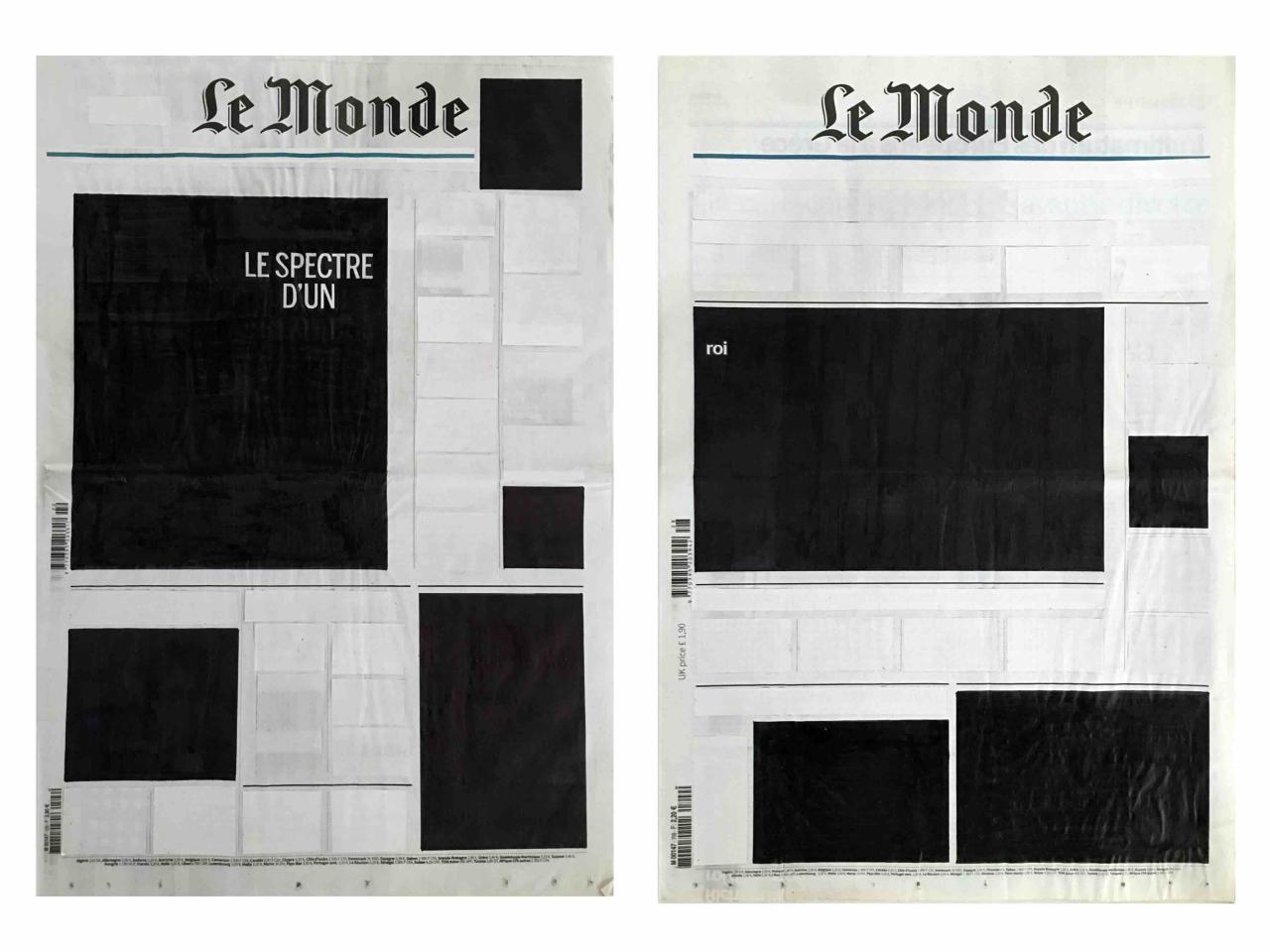
Diptych, 47 x 64 cm, intervention on the front page of Le Monde newspaper, unique work
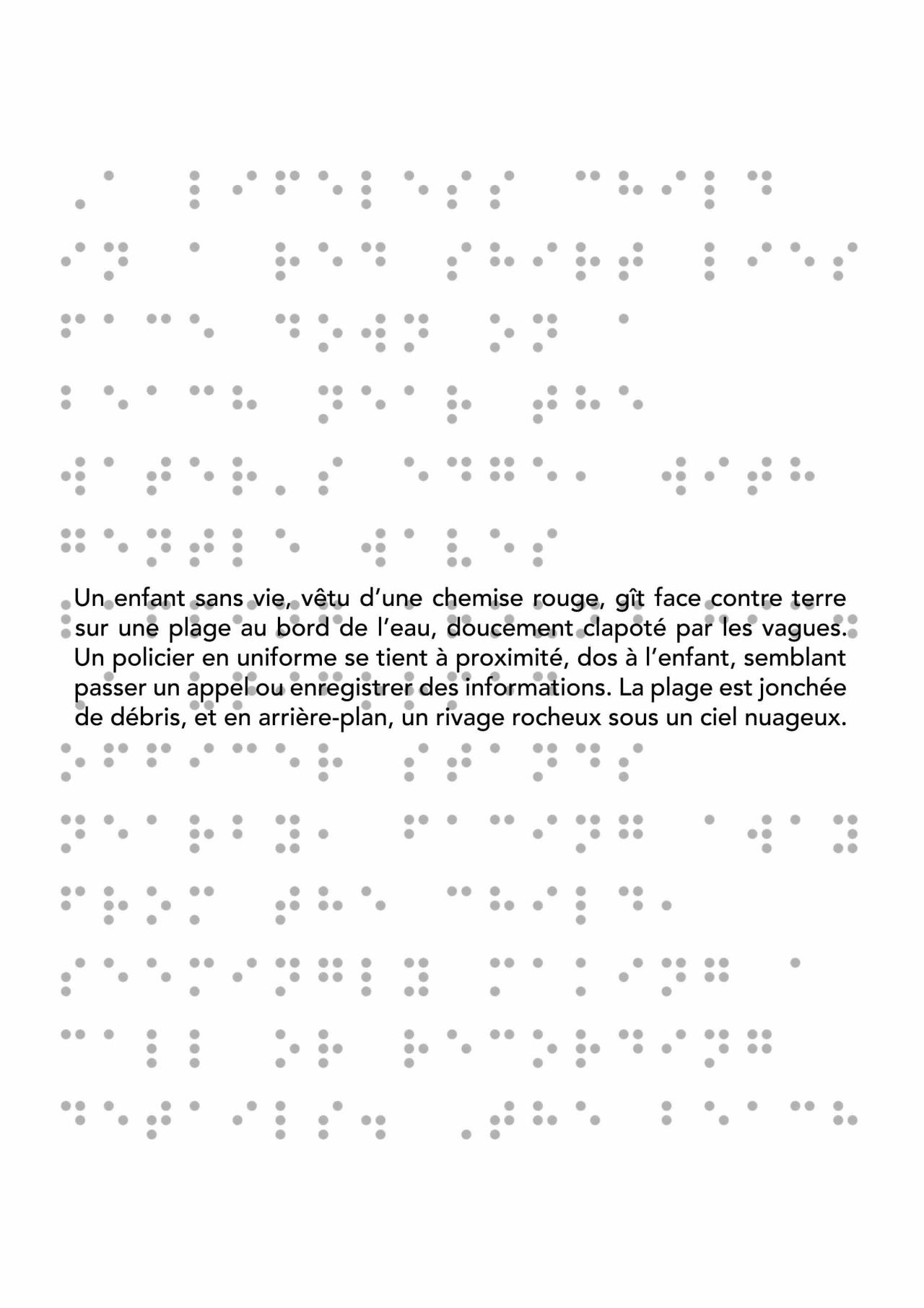
A4 Canson paper, embossed Braille relief