Rémi Boinot
And still, any encounter, wherein the other appears unexpectedly and compels one’s thinking to withdraw from itself, as it compels the Ego to come up against the deficiency that constitutes it and from which it protects itself, is already marked, fringed with neutrality.
Maurice Blanchot, The Infinite Conversation, 1969
How does one give shape to thoughts on heterogeneity, or plurality? What conditions are required to experience alterity? Rémi Boinot never ceases to ask these questions that have haunted him since childhood, when he listened, enraptured, to the undulating melodies from North Africa playing on the radio. Everything suddenly made sense to the young child from the Châtellerault countryside. The strains of these distant tunes were echoed by various signs in his life: the grenade embroidered on the kepis of French gendarmes — including his father’s — since 1795; the inscrutable patois he heard at one of his aunt’s during the summer holidays; the marvellous tales overheard in conversations between conscripts returning from Algeria or Madagascar, the intonations of which he also found in the volumes of world tales and legends he used to read avidly. They also echoed his taste in a particular type of music: the music of classical literature (Chateaubriand, Zola, Flaubert) that he read in boarding school, and which he would later rediscover in authors such as Mallarmé, Michaux or Roussel… For writing is a movement: a trenchant movement, a rip, a crisis, a place in which the singularity of the unknown pours forth. Pessoa, Heidsieck, Walser, Glissant, Lévinas, Derrida, Deleuze. But the written word, the possibility of a narration would be nothing without music, without its phrasing, its rhythm. Of this, too, he is convinced, as someone who tried to learn to play the violin at age six. The elsewhere therefore became the only possible horizon for him — an entropy further enhanced by his supposed equality to others. Years later, he realised that this idealistic outlook perhaps pertained to a Western brand of philosophy that had served as a foundation for so much conquest and predation. There is no symmetrical dialogue, no academic attempt that does not also impose one conception of reality over another. Documents and the way they operate always open up breaches that are impossible to correct. This thought would always remain present in Rémi Boinot’s life and his ulterior use of photography and video would consistently return to it. What is really at play in the act of filming or photographing? Is everything only a question of framing? Maybe! But there is also the question of splicing, editing, rhythm, and silence. And music. Resnais, Godard, Tarkovsky, Duras, Sokurov, Weerasethakul and so many others would demonstrate this to him.
But before any of this happened, Rémi Boinot went through the harsh experience of renunciation. Once his teenage years were over, he began to study law and exiled himself to the École Nationale des Impôts [National Tax School] in Clermont-Ferrand — a reclusive ordeal that clashed with the ideals of a young libertarian steeped in the theories of Guy Debord and who was already harbouring resentment toward the narrow-minded order of the French bourgeoisie, so maddeningly colonialist under the guise of its falsely universal Christianity. In spite of this, the years he spent in Poitiers and in the austere Auvergne led him to see more avant-garde films and emboldened him to attend a few experimental music and contemporary art festivals that strove to develop a number of new utopias. It took all the love and persuasion of his wife, Loan, to tip the scales and convince him to accept his destiny as an artist. The 1970s and 1980s saw him delving into various creative fields, such as painting, theatre, and sculpture. He worked as a scenographer (particularly for William Christie and the Arts Florissants Foundation in 1981); designed audacious costumes for companies in search of new genres; founded an experimental music festival with friends (Equinoxe, 1973-74); and collaborated regularly with the Compagnie du Hasard and the Teatro Nucleo (Italy), both of which clamoured for a theatre of sensitivity rather than beauty, and a form of quivering, rather than declamatory, performance. For Rémi Boinot, this period was one of questions, particularly regarding the idea of presentation, both in the theatrical and artistic sense. However, thinking of oneself as a go-between may require a few precautions. How does one occupy the stage or gallery in order to open it up, to play on visual disjunctions and tensions while avoiding being blatantly demonstrative, as seemed to be the prerogative of an entire portion of the art world in those days. How does one envision art as a suspension rather than a simple objective representation of the world. Could one possibly construct a new type of reality, one that would be likely to welcome every voice heard or encountered but also capable of resisting the mechanics of power such as H. Foucault described them? In other words, how does one produce an abstract and metaphorical map that might attest to the construction of subjectivities — every single subjectivity? For Boinot, while the answer to these questions was still in its early days in the 1970s, it soon gained a clarity unequalled in French art at the time. The artist owes this clarity both to his time spent within the artistic scene and to his many travels. Russia, India, Africa — he embraced everything as a potential source of otherness.
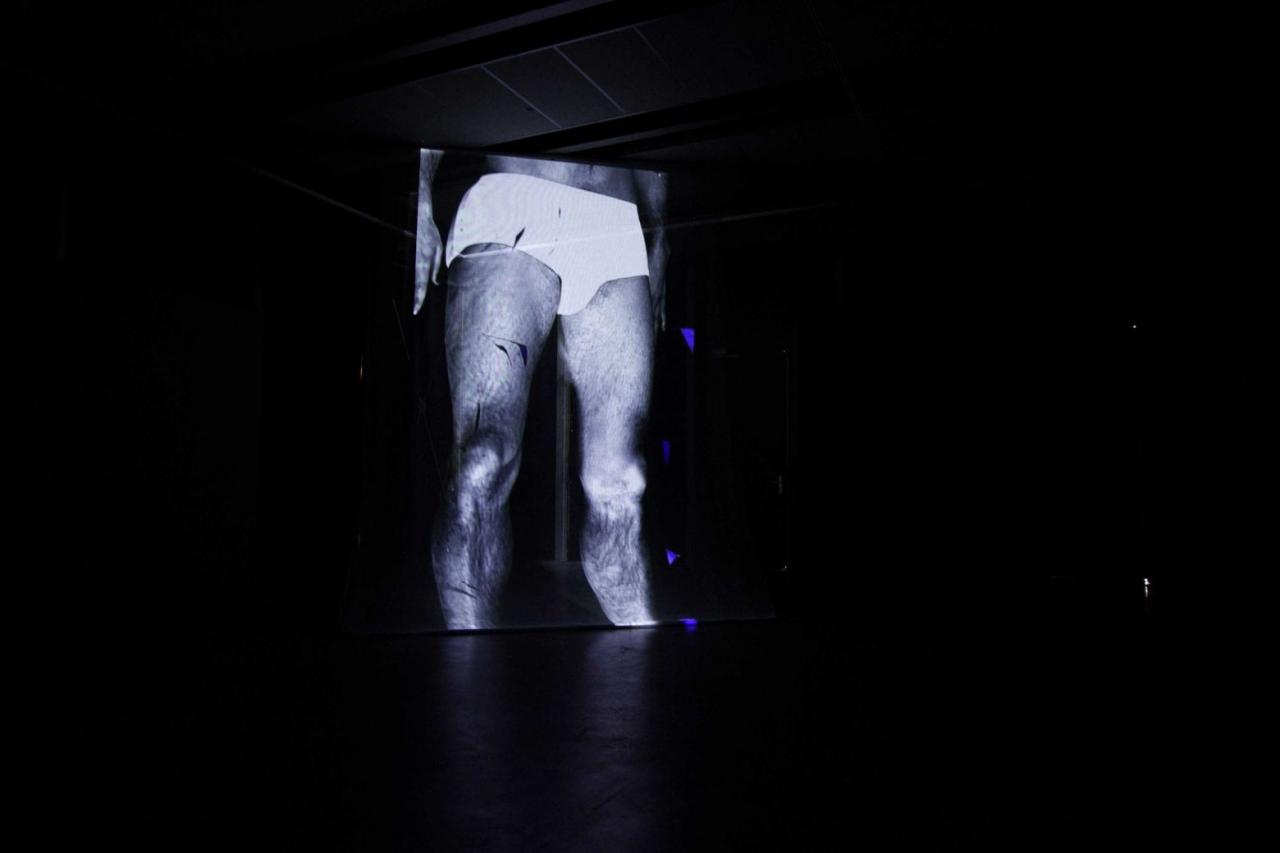
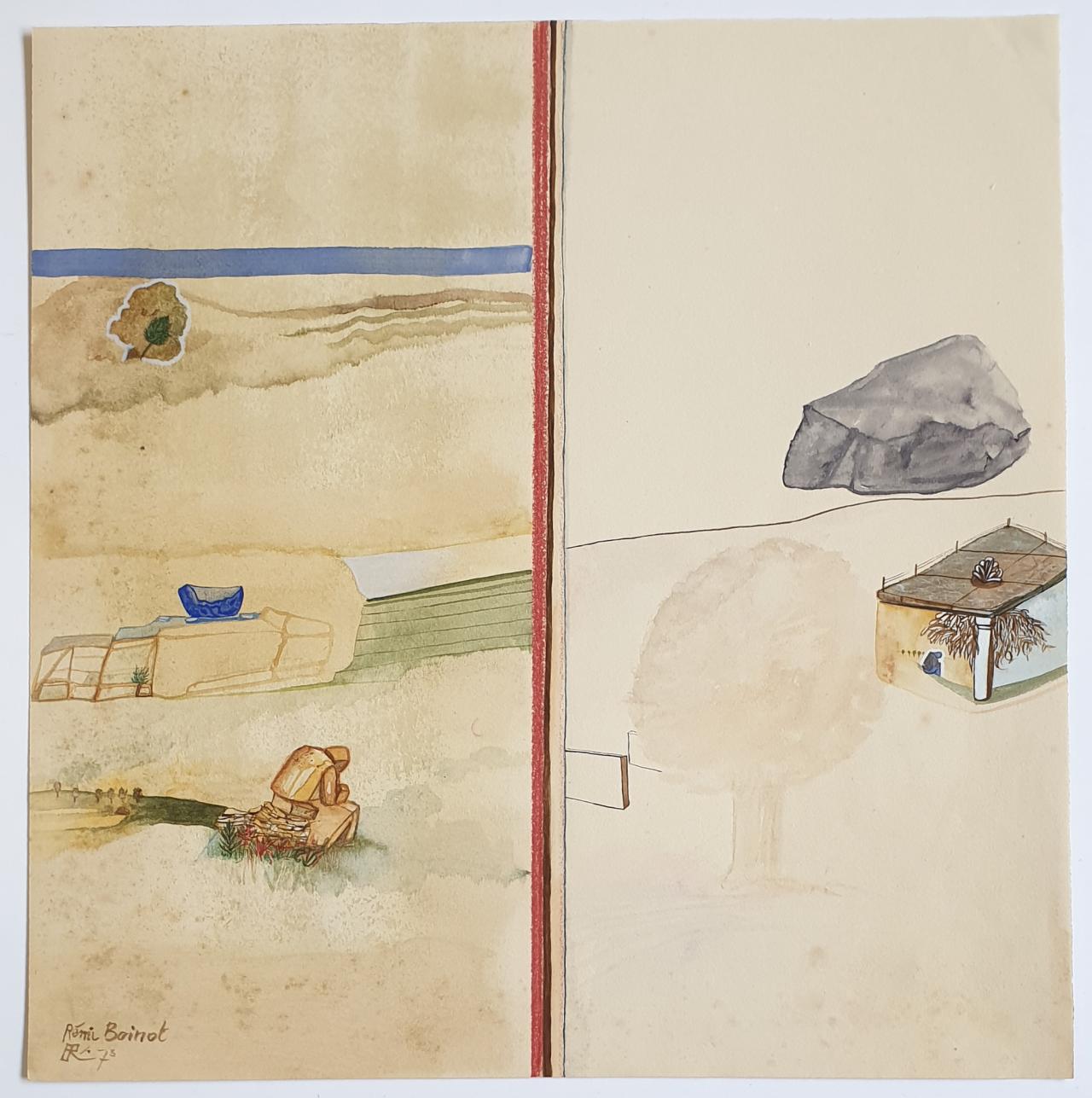
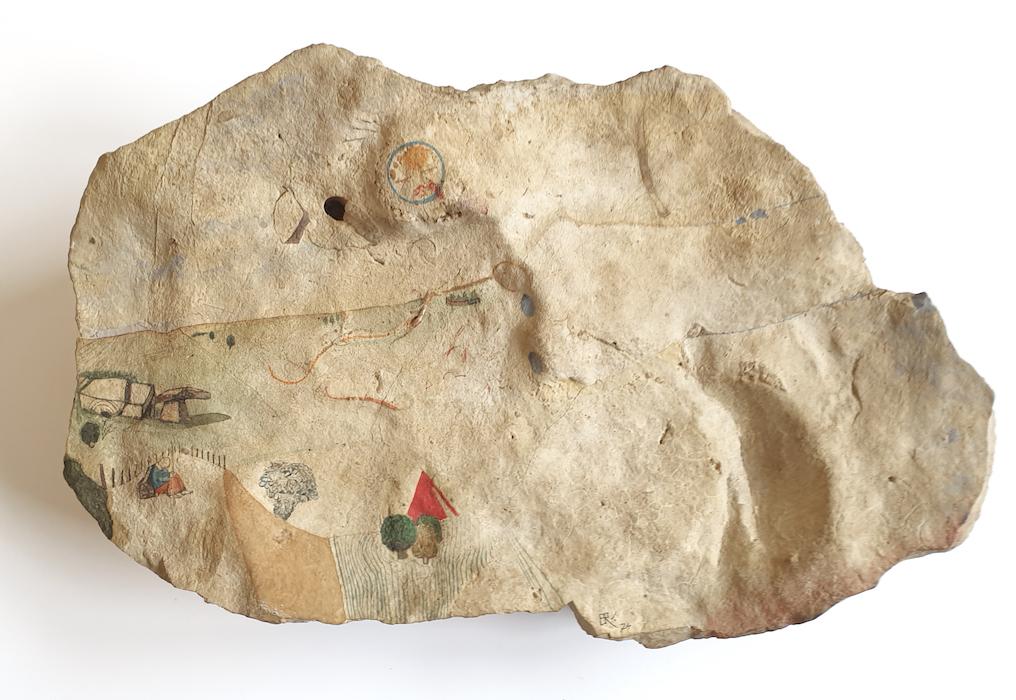
The world is not governed by an overarching narrative that tends to absorb and recodify anything that exceeds or resists it, but rather by an archipelago of things and beings which interact in configurations that can only elude an observer too concerned with the truth and incapable of perceiving those ancient voices — more ancient than any past but infinitely present in the deepness of their mystery. A rite observed, a rock in the river flow, an invitation to share a meal, the delicate flight of a falling leaf, or the forgotten trace of a brushstroke on a sheet of white paper, are as many obvious signs in the making, awaiting incarnation. In this quest, one experience among others left its mark on him. In 1985, meeting with the griot Dially Kemo Diabaté de Ziguinchor in Senegal led him to understand that every encounter happens at the expense of knowledge. That one must forget everything one has learnt in order to absorb otherness, and that this gesture must be rooted in non-reciprocity; that is, the capsizing of the type of universalism constructed by modernity. One must self-efface, let oneself be welcomed, not impose anything and never be prepared for the encounter. He would later quip: “It was almost like an art degree”, to better conceal his coyness in regards to such a foundational renunciation. Another shock occurred in 1992: his stay with the Luecilla tribe on Lifou Island (New Caledonia), during which he lost himself in the daily tasks, beliefs and symbolic gestures that the tribe allowed him to see. Since then, all of his works — clever blends of video, drawing, installation, and sculpture — have never ceased to recount this dazzled relationship with the world. Parmi les hommes, au beau milieu [Among men, in the thick of it, 2015] presents itself as a programme that is almost impossible to execute; Mouth+Eyes=Me (2008) and Huit Variétés pliées en 4 [Eight Varieties folded in 4, 2011] go so far as to state the impossibility of portraiture and identity assignment; L’ordre du jour [Order of the day, 2009] confirms the destruction of first-hand experience in our cultures shaped by the withdrawal of the self for the profit of mercantile or political ideologies; Toilette Suprême [Supreme Toilette, 2006], under the guise of a meditation on the pace of nature, in fact refers to the impartiality of the gaze as shaped by every culture… As such, there is a degree of false obviousness within these constellations. The implementation of biographical forms in which the artist might constantly quote, not without lyricism, Rimbaud’s famous “I is another”, does not fit in with his mindset. And while he does occasionally include himself in his works, he only does so to better assert himself as a smuggler of the subconscious. Very cleverly, Rémi Boinot thinks that any coupling of reality and imagination must be grounded in explosiveness. While on the one hand, reality may be seen as a shroud covering intangibility, imagination offers an opening into a poetics of indefiniteness — a poetics which, in Patrick Chamoiseau’s words, “allows for continuous vigilance in the furrows of uncertainty, the flourishes of intuition, solitude turned solidarity”. The mysterious song which stirs the living world imparts each life with an irreducible singularity and an opacity that only imagination can pierce through, on the condition that it remains in a state of relinquishment, untethered from genres, linearity, and a language which is far too arrogant. This relinquishment is also that of the poet.
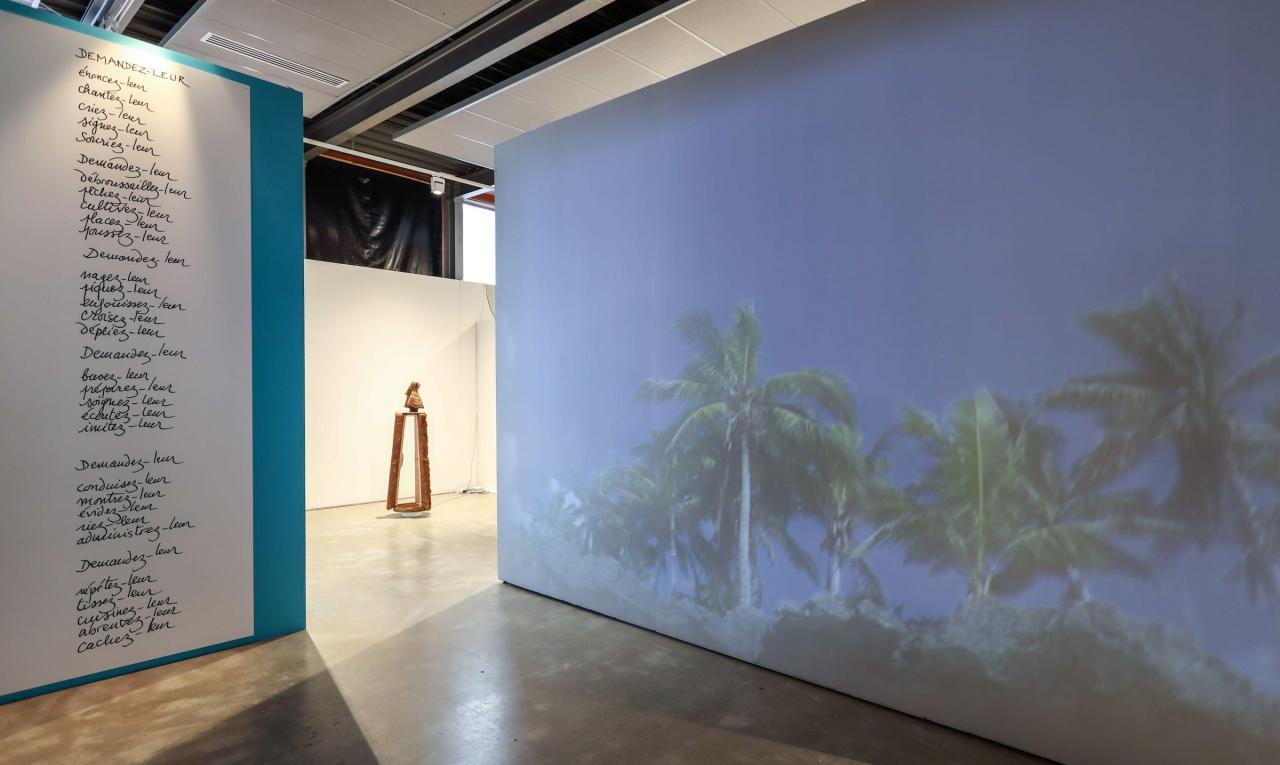
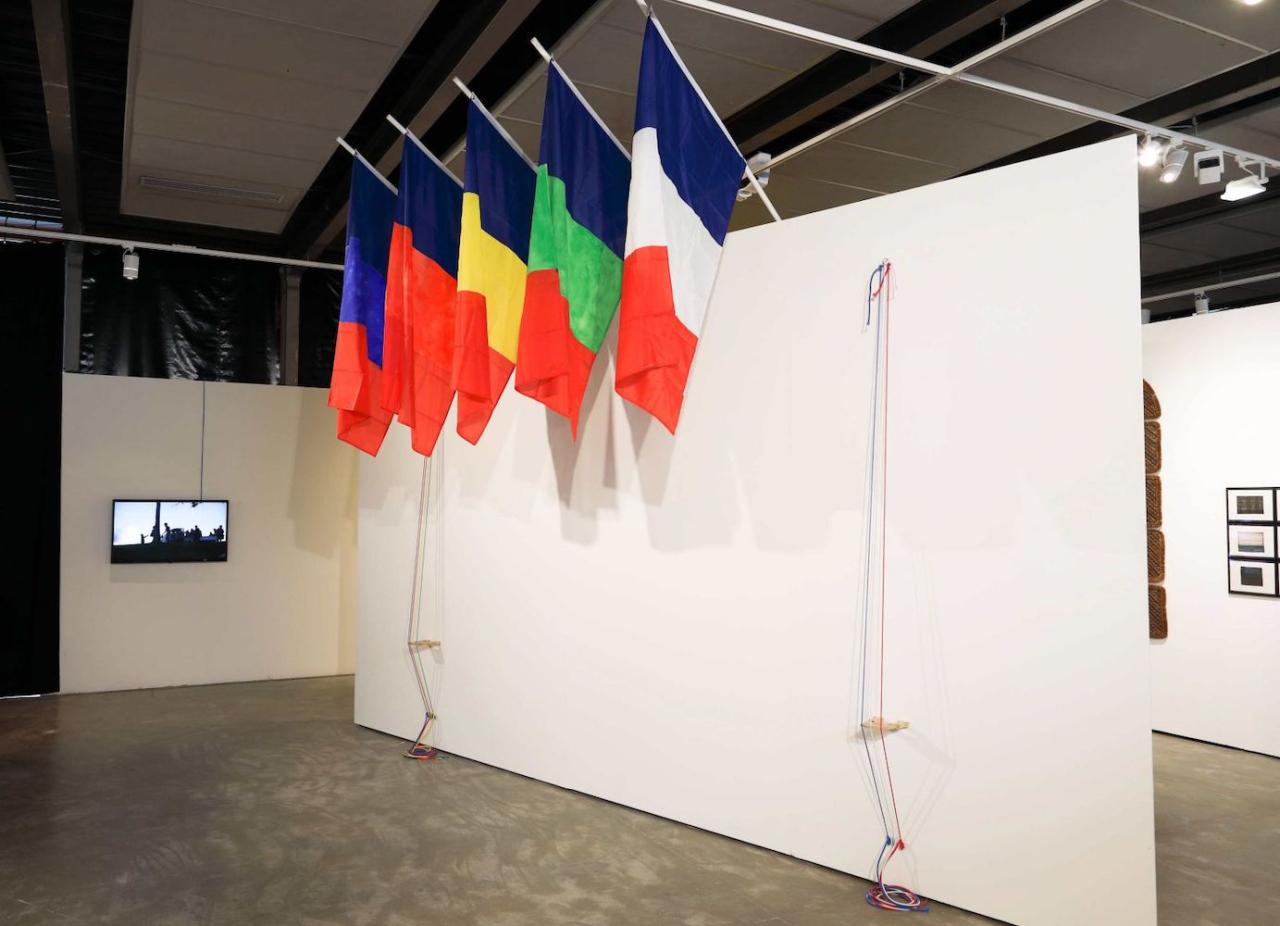
View of the exhibition Quels Ailleurs Quel, Trengewekë hna oth, Fondation du Doute, Blois, 2020.
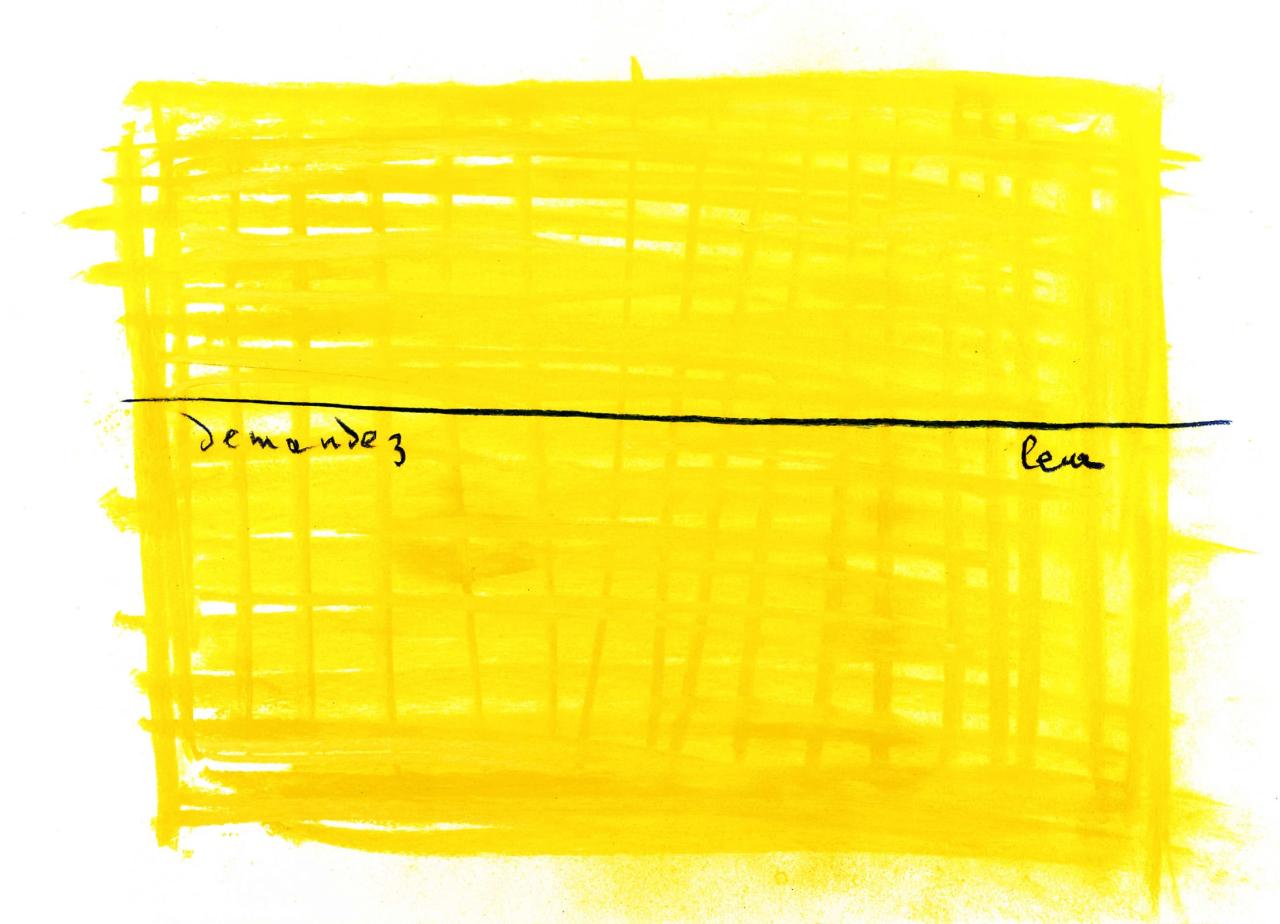
View of the exhibition Quels Ailleurs Quel, Trengewekë hna oth, Fondation du Doute, Blois, 2020.
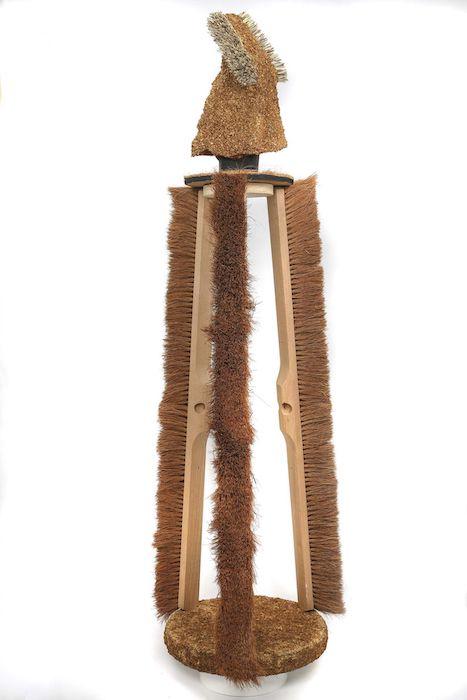
Installation, mixed media, sculpture, coconut broom bristles, wood, motor, timer/controller
148 x 49 cm
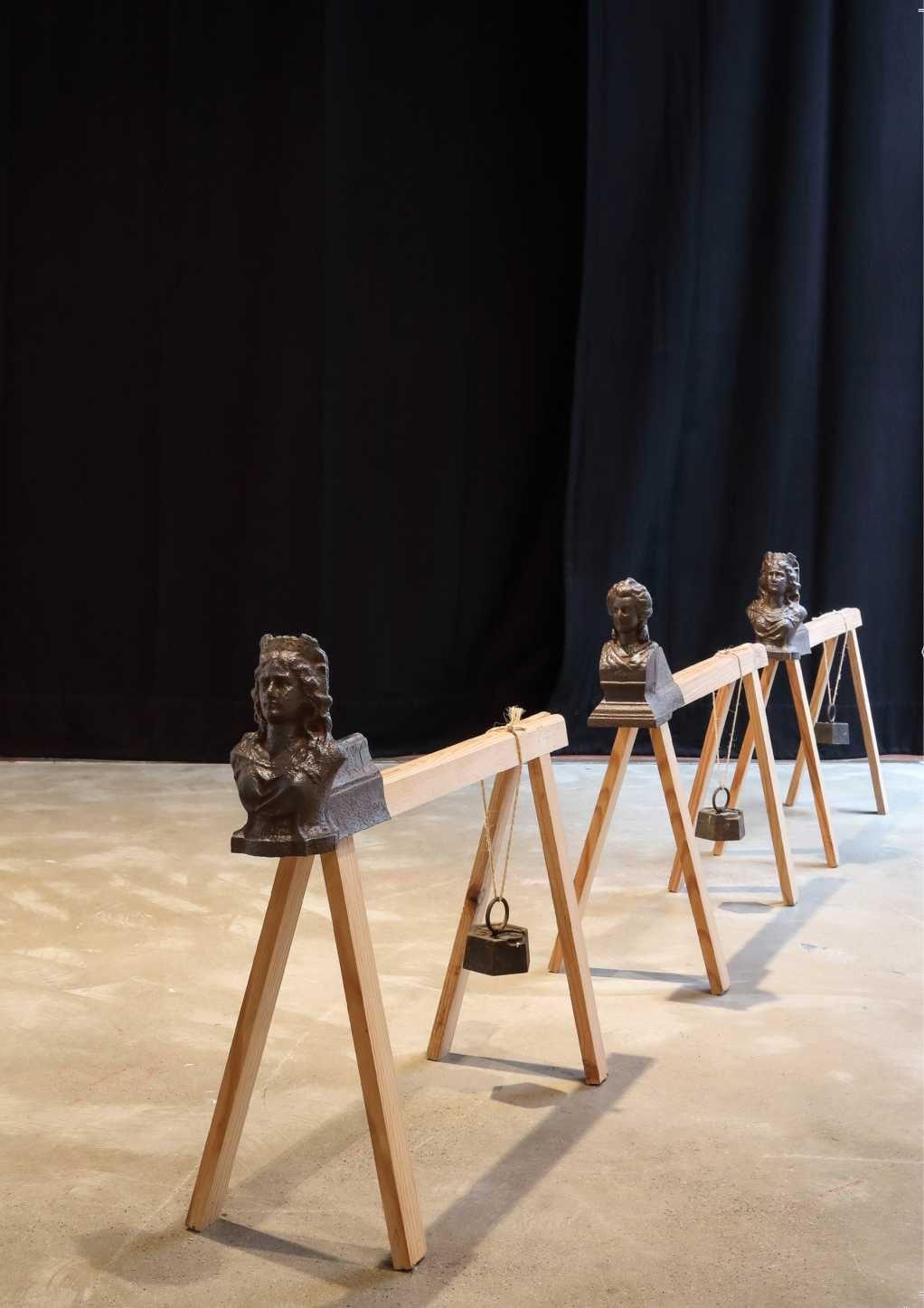
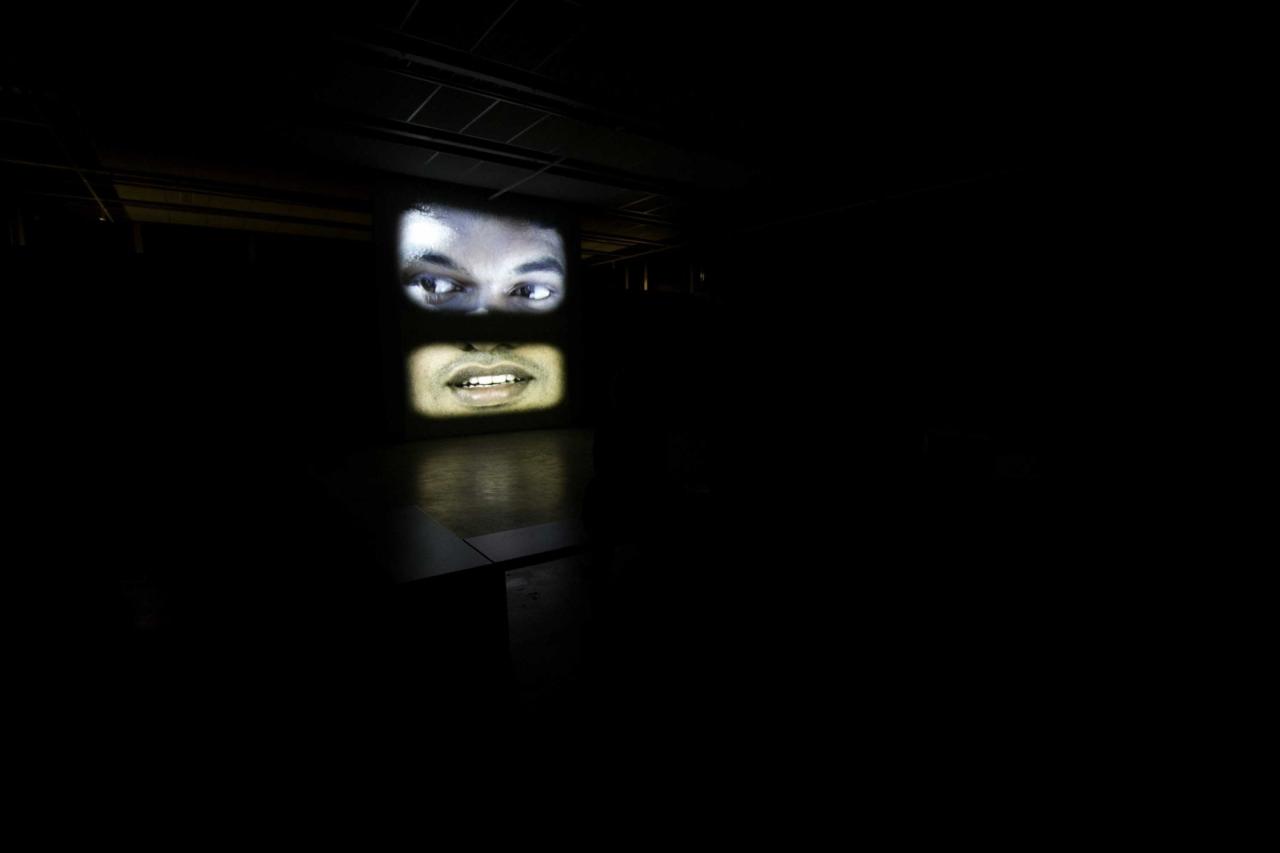
View of the solo exhibition Huit Variétés pliées en Quatre [Eight Varieties Folded in Four] at the École d'art de Blois-Agglopolys – Musée de l'Objet, contemporary art collection, Blois, 2011.