Nicolas Milhé
The anatomy of symbols
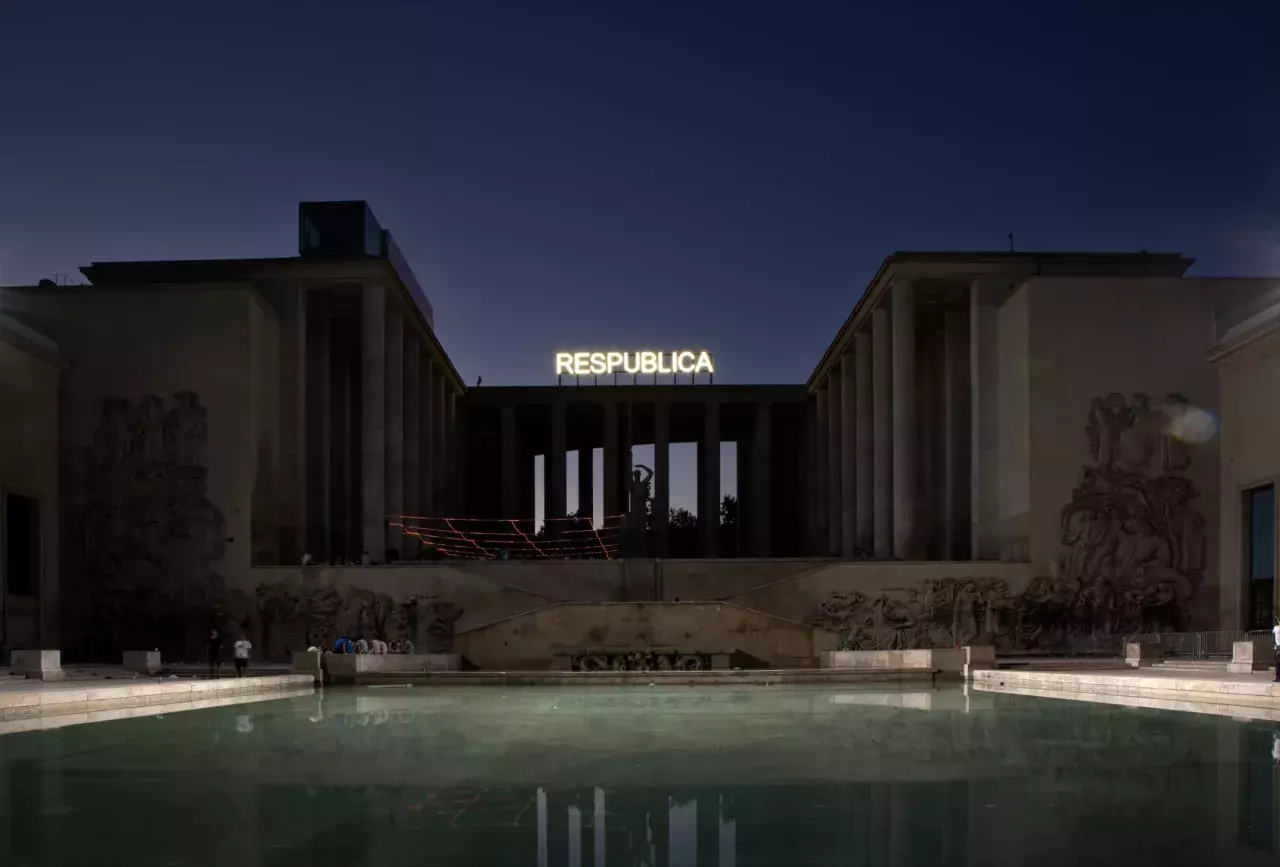
Through its ability to capture and shed light onto the workings of data and systems, Nicolas Milhé’s artistic approach could be described as a critical mapping of power structures, myths and cultural icons. By using a precise and often stripped-back visual vocabulary, the artist aims to transform the abstract or institutional framework into a tangible object of reflection. He tackles the forms and symbols of modernity head-on not only to unmask its simulacra, its polished medals and its pompous statues, but also and most importantly to dissect its deep-rooted mechanisms. Thus ostentation becomes a façade and power crumbles into mere affectation. This type of artistic practice highlights the mechanics of images, as W.J.T. Mitchell also analysed it (What Do Pictures Want?: The Lives and Loves of Images, 2005), by underlining their dual function as carriers of information and vehicles for beliefs. The artist therefore poses the question of their persistence, their dynamic and their efficiency within a society that is saturated with visuals and gorged with ideologies.
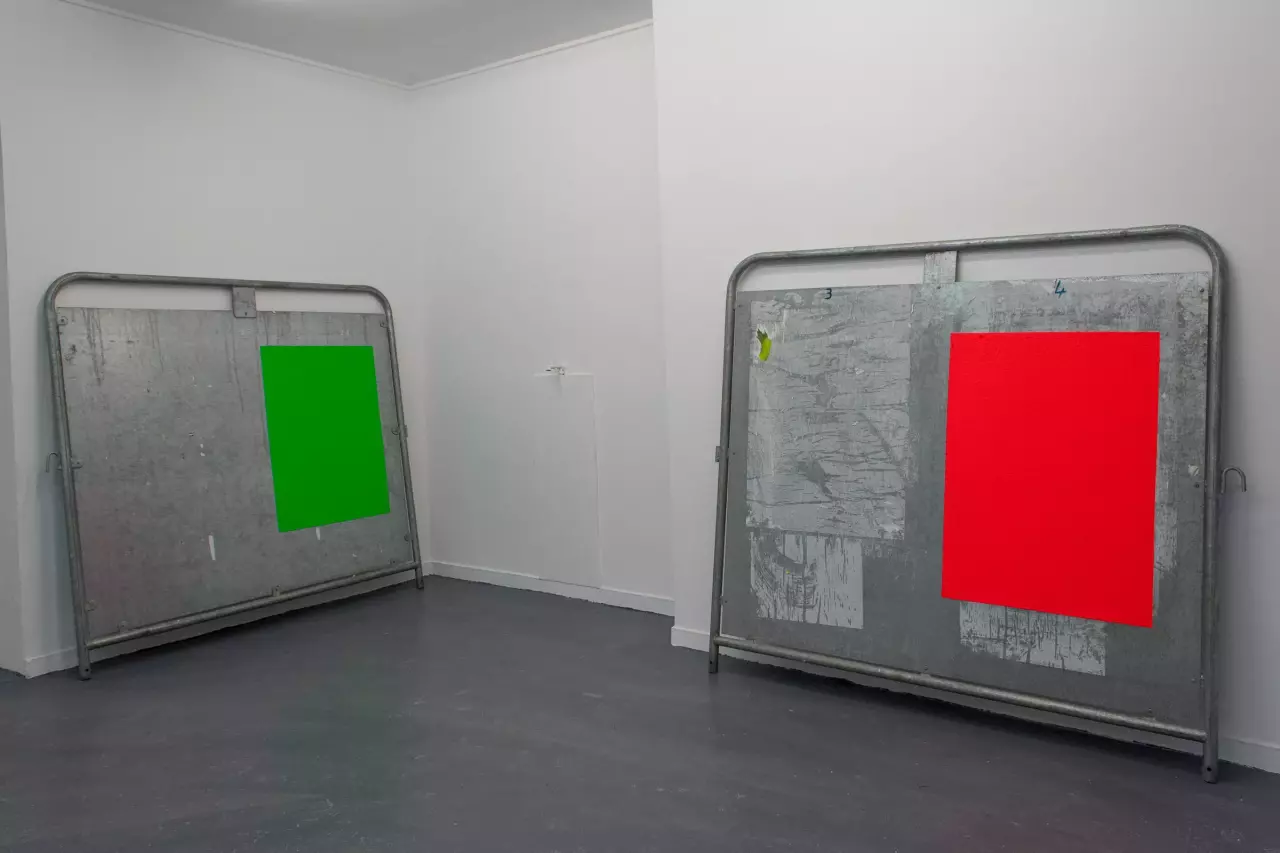
Solo exhibition, Silicone, Bordeaux. On the left: Vert, 2019. Steel, roughcast, acrylic, 158 x 154 cm. On the right: Rouge, 2019. Steel, roughcast, acrylic, 158 x 154 cm. Photo : Nicolas Milhé © Adagp, Paris
Whether within the arcane workings of power, in urban networks or in the making of myths and emblems, the aim is to reveal the fabricated dimension of a hyper-structured world. The artist playfully takes apart conventional references and standards, and reveals the laborious nature of bureaucratic mechanics as non-places, similar to what Victor Hugo compared to a “Marly Machine” with rusty cogs.1 Marc Augé includes in the notion of “non-places” modern spaces such as airports, shopping centres, and urban infrastructures (Non-places. Introduction to an Anthropology of Supermodernity, 1995). He describes these as anonymous and impersonal spaces one only passes through, produced by a supermodernity in which individuals lose any historical or relational points of reference. Nicolas Milhé seems to transpose this line of thought to the symbolic domain, which he strives to replace in a historical, geographic and social context: for him, myths, flags and official symbols shouldn’t act as “non-places” of collective culture, emptied of their authenticity for the sake of standardised or ideological use.
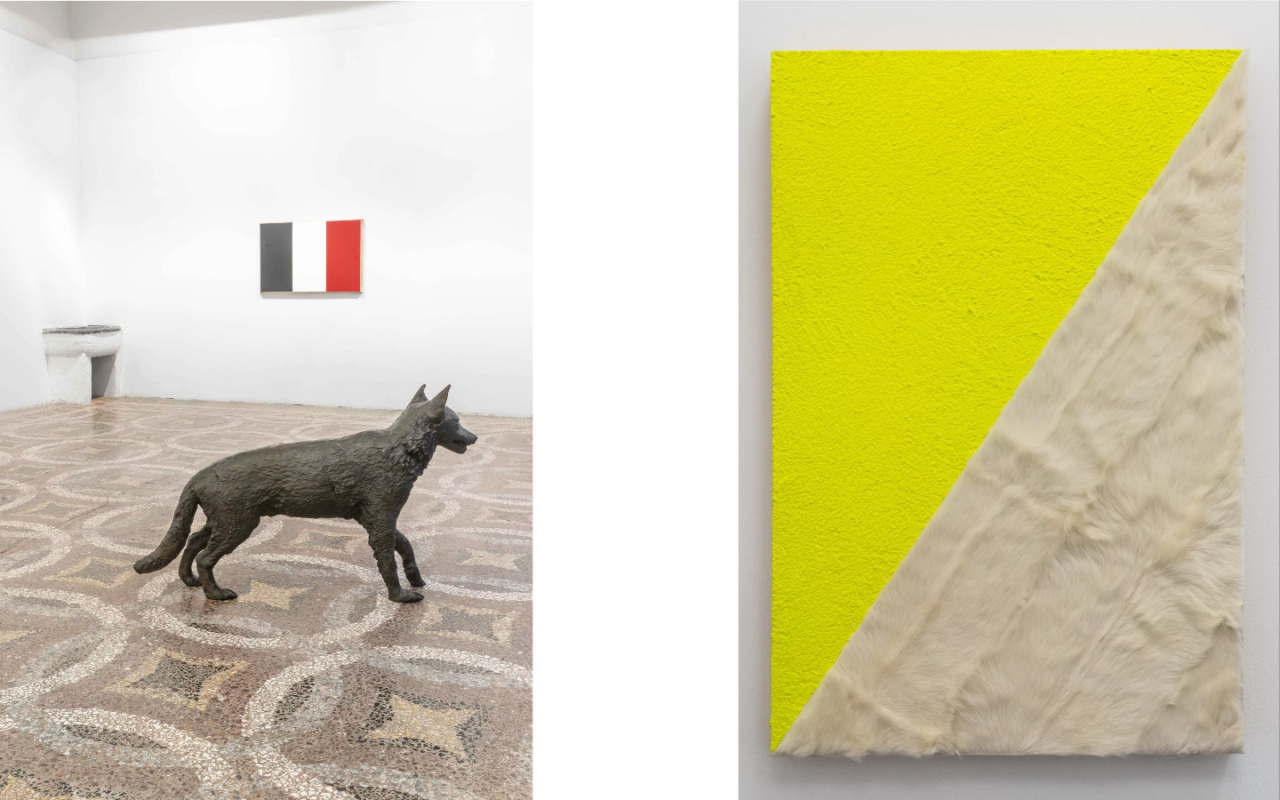
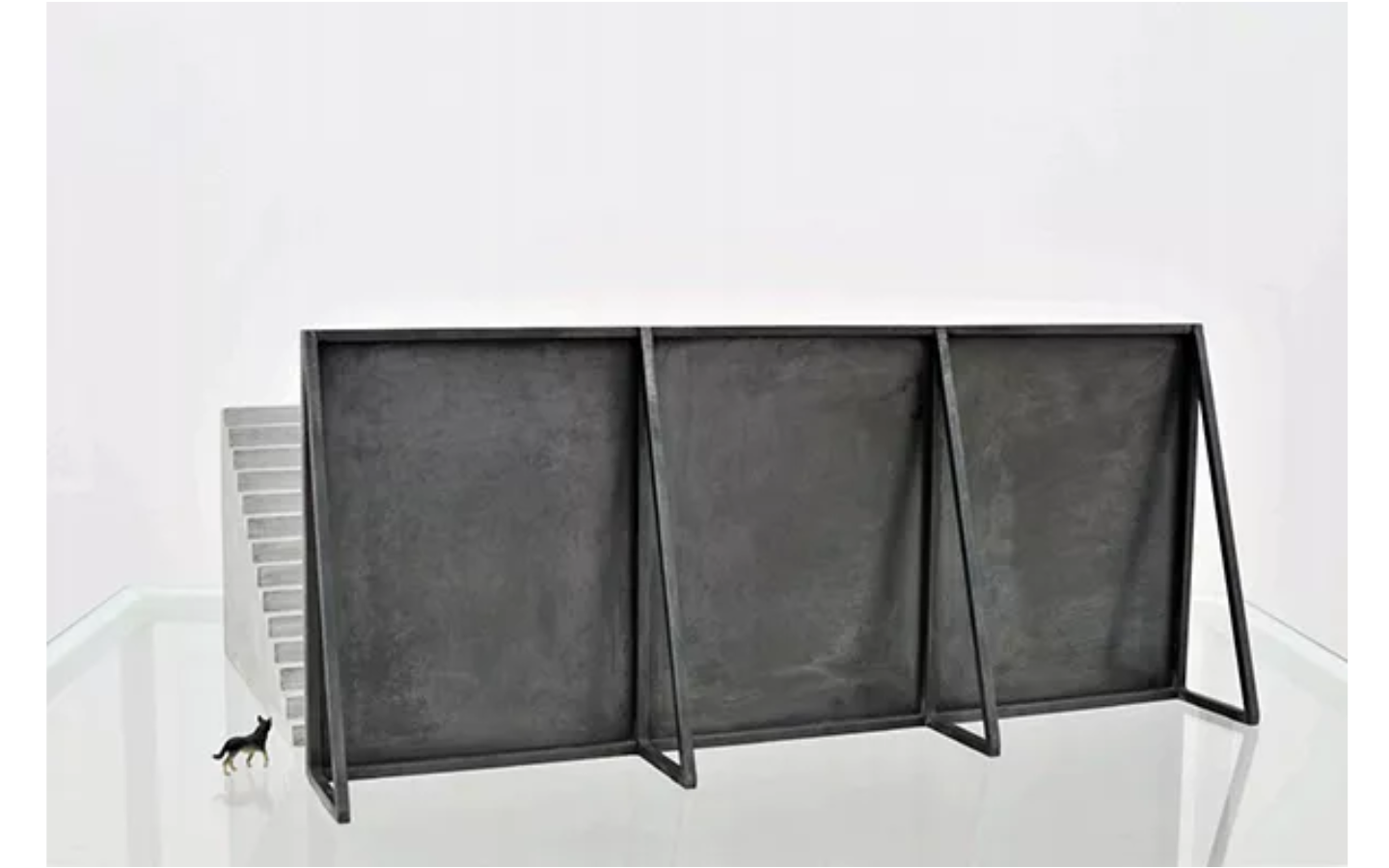
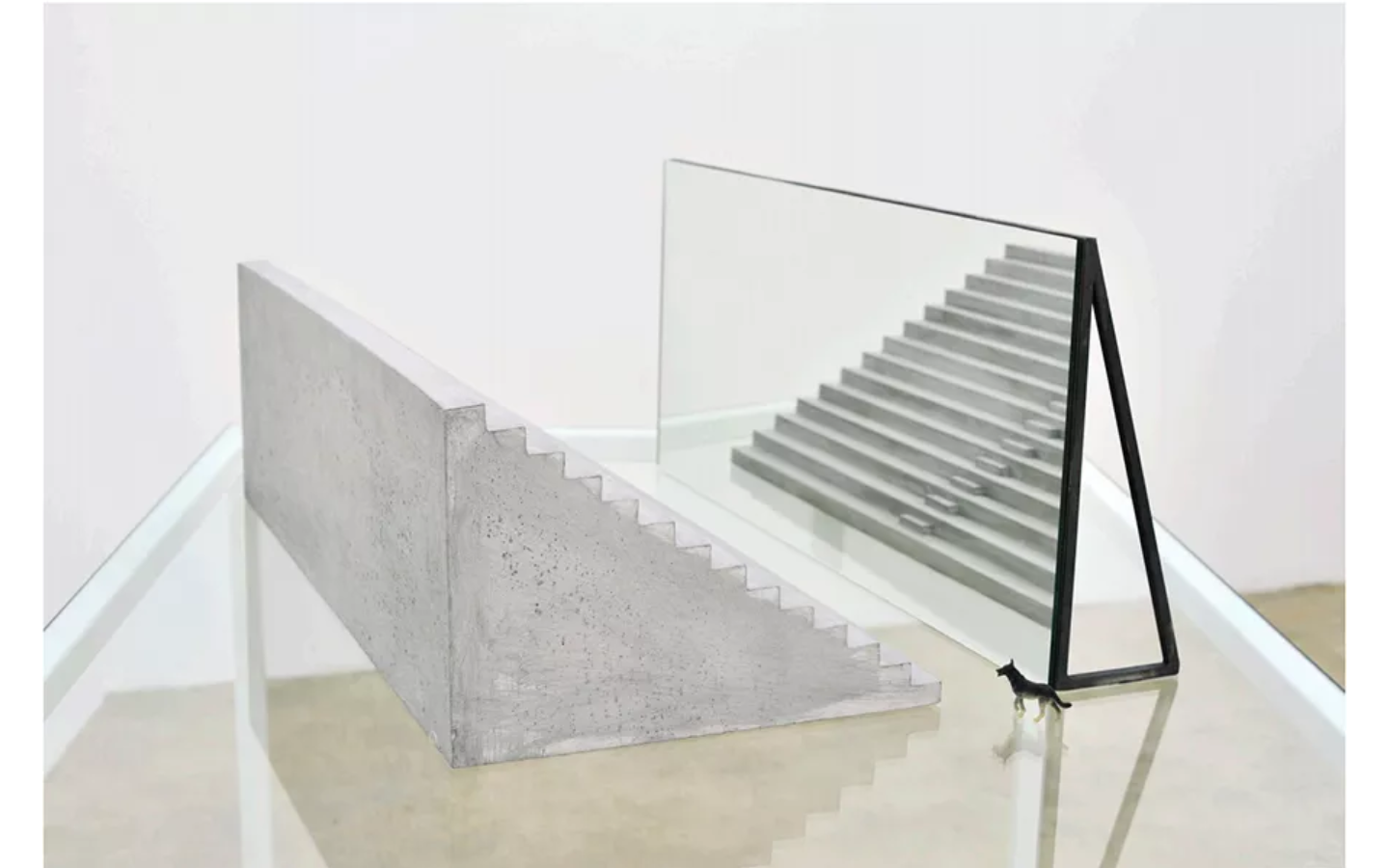
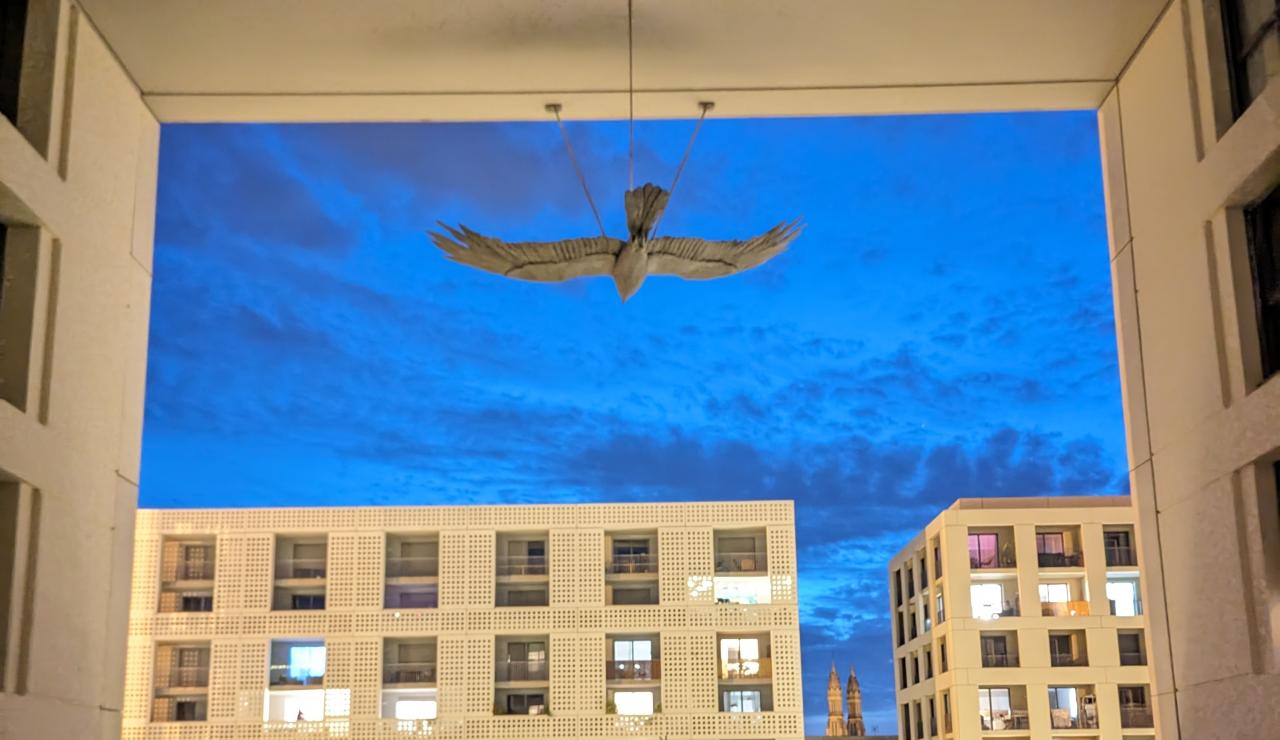
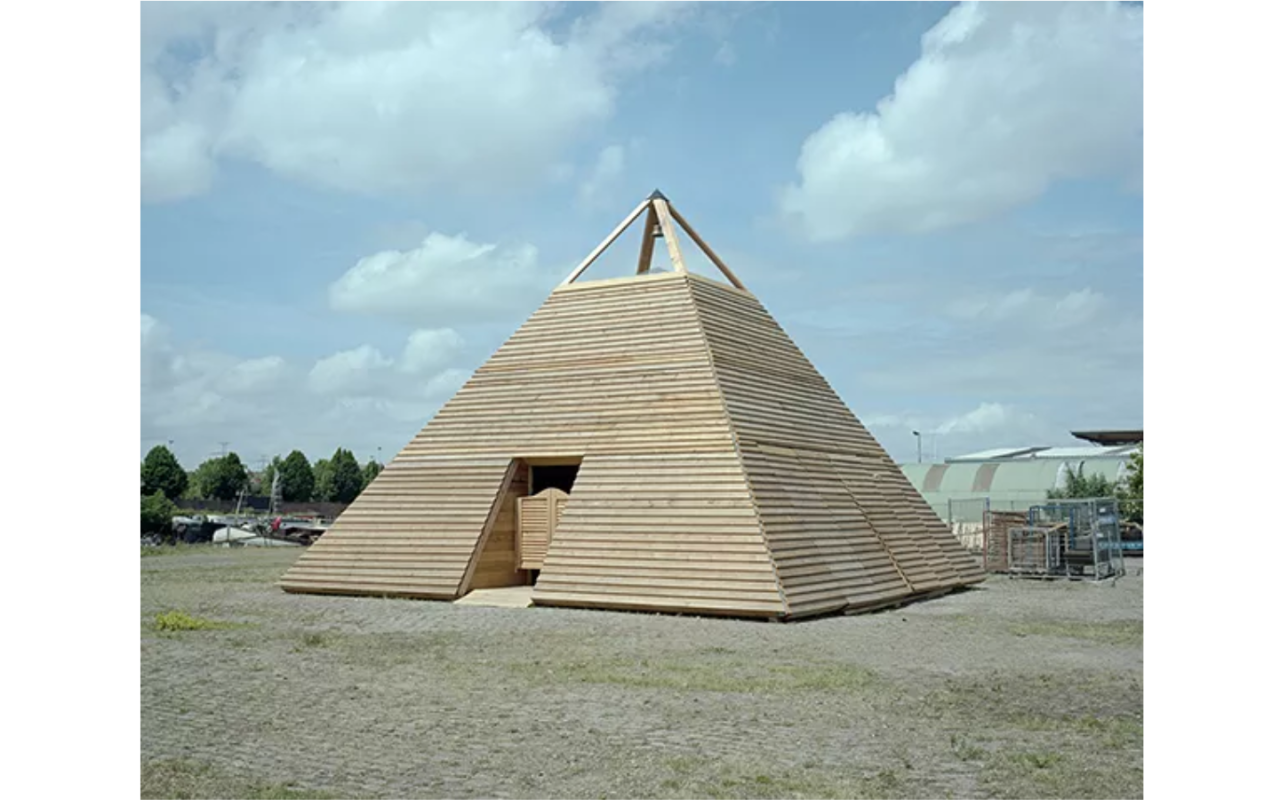
This assessment has led the artist to work on the generic, the common and the neutral, through the use of a variety of media: painting, sculpture, video, or taxidermized found objects. Everything is presented immaculately, like a politician’s suit or a jeweller’s shop window: the illusion works to perfection. This generic nature, combined with a highly polished aesthetic, echoes the notions of simulacrum, hyperreality and erasure of references developed by Jean Baudrillard (Simulacra and Simulation, 1981). According to Baudrillard, the simulation effect is characteristic of a society in which illusion ends up becoming more real than reality itself. In this sense, the distinctions between reality and its image blur together and the image supplants the object it is meant to depict. By placing little-known cultural or social symbols — or, conversely, symbols overladen with meaning — in the context of an art exhibit, Nicolas Milhé highlights the contemporary issues at play in this manufacturing of simulacrum. For instance, one could mention what he calls his “à la Suisse” paintings, which depict rare or forgotten flags, such as those of Cochinchina, the North Caucasus Emirate, Vietnam’s revolutionary army, or the third proposed flag for Kosovo, and the Ecuadorian patriotic army. Another example would be his piece Le Baron gris [The Grey Baron, private commission for the Créatlantique collection, Bordeaux, 2023], a monumental sculpture of a Montagu’s harrier suspended in bronze, which appears to be flying through a block of flats: the endangered bird is thus elevated to the rank of emblem. With Énorme changement de dernière minute [Huge Last-Minute Change, 2013], electoral campaign posters transition into fifty shades of monochromatic blue, causing political affiliations to become diluted in a sea of abstraction. Finally, population pyramids become monuments to emptiness (Pyramides, 2011).
These well-knit trappings map an atlas of identities that History has erased or marginalised. The goal isn’t to save a bird or to pose as revolutionaries but to uncover the implicit fragility of things that we believed to be immutable, the crumbling of goods we assumed were common.
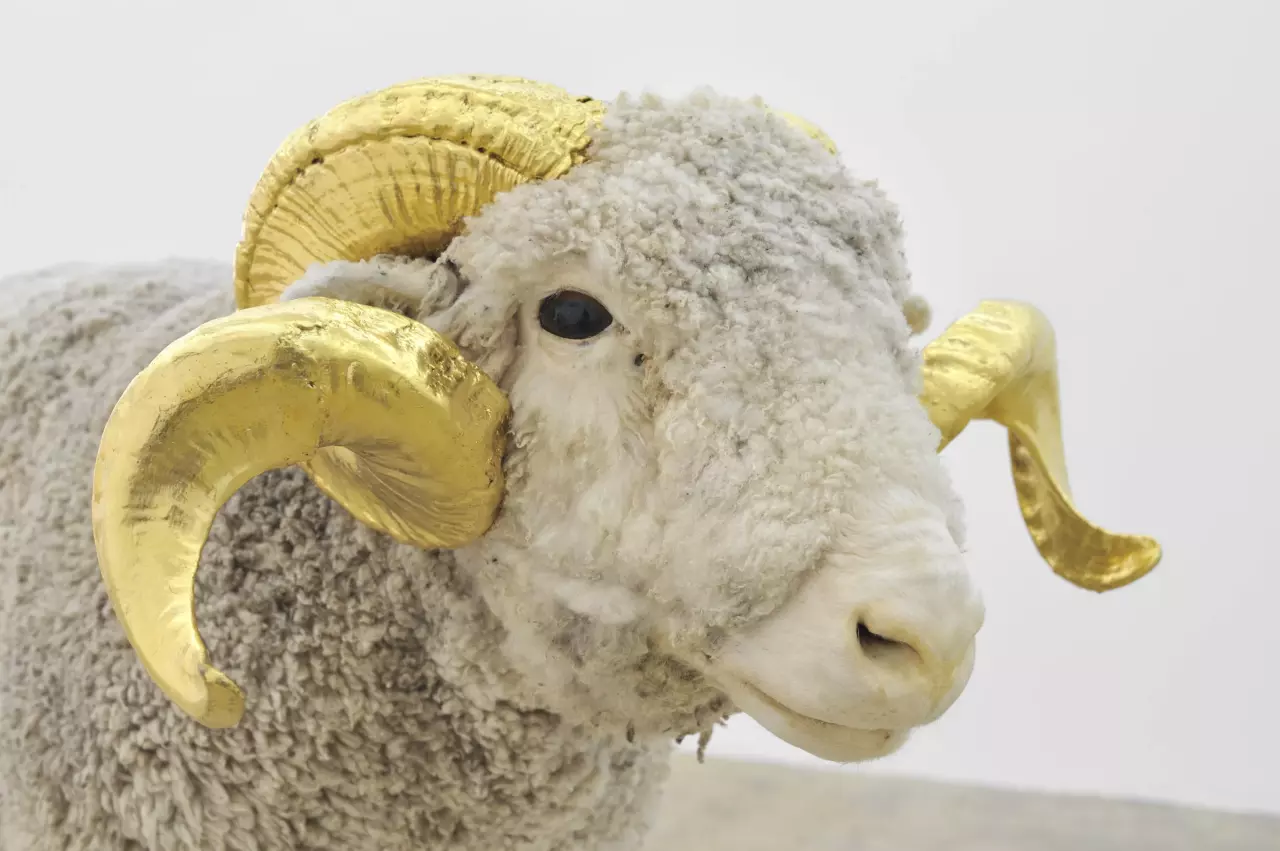
Nicolas Milhé’s interest in the formal representations (capitalist, governmental or in the media) that shape our collective perceptions is conveyed with fairly simple gestures: placing flashy newspaper front pages in studded metal frames, turning the Paris metro map upside down, or fitting the teeth of a mummified hyena with 24-carat gold crowns. The sacralisation of progress and decline proceeds from the same neurosis: it congeals values that were meant to remain unsettled. Therefore, the artist’s practice thrives on a surpassing of individual skills, on artistic ventures such as the Lapin-Canard collective, or the transfer of art to community contexts rooted in social dynamics. Another alternative formulated by Nicolas Milhé can be found in his interpretation of emblematic figures and of their position in the public sphere. By presenting embodiments of historical or literary figures such as Rosa Luxemburg, characters from The Human Comedy or Michel de Montaigne, the artist deliberately shifts timeframes in order to reinvent the notion of tribute. Therefore, anachronism adds value to the myth, since it only becomes meaningful in the here and now.
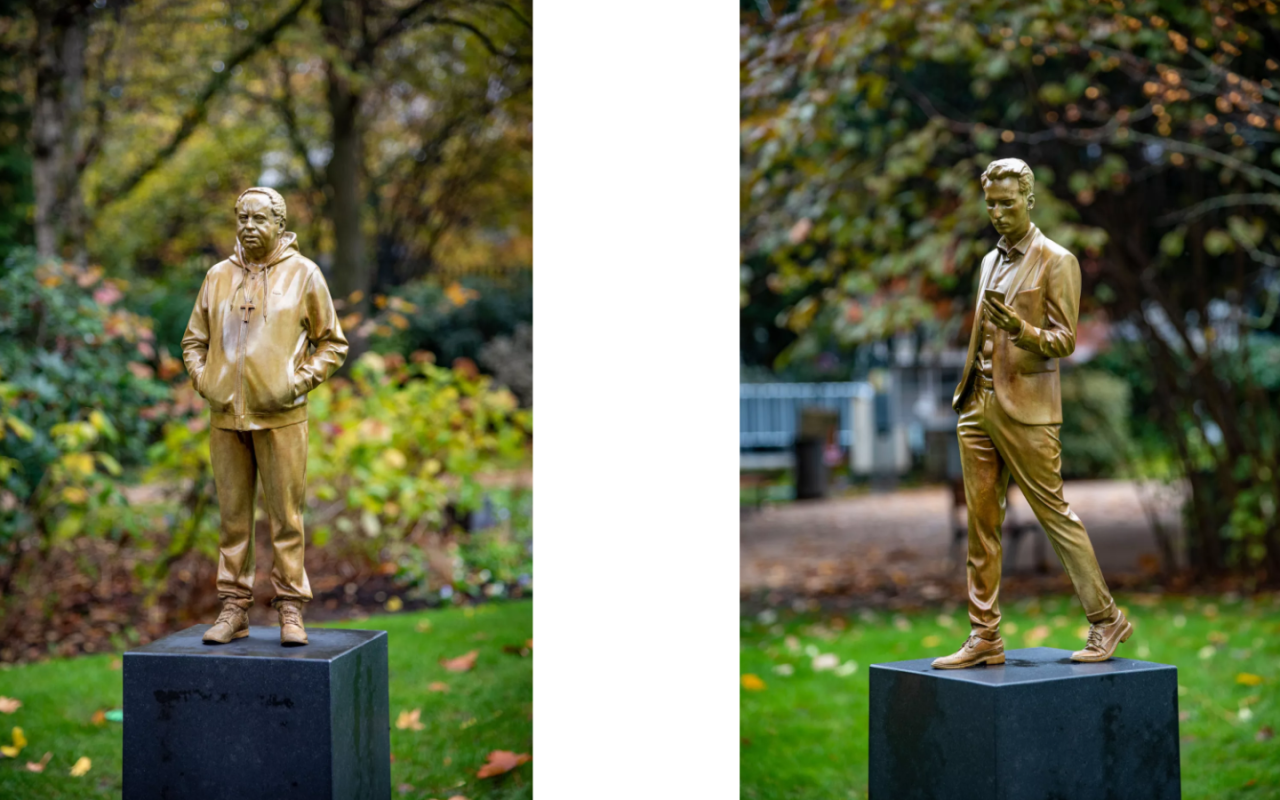
Bronze and black marble, 175 x 30 x 30 cm. La Comédie humaine, Public commission, Tours © Adagp, Paris
Notes:
1 “The administrative blunder, a natural and normal product of the Marly Machine otherwise called centralisation, this administrative blunder is always engendered, as it was in the past, from mayor to deputy prefect, from deputy prefect to prefect, and from prefect to minister; only it is done on a larger scale.”, Victor Hugo, War on the Demolishers, 1825.