Caroline Cieslik
Navigating like a bird
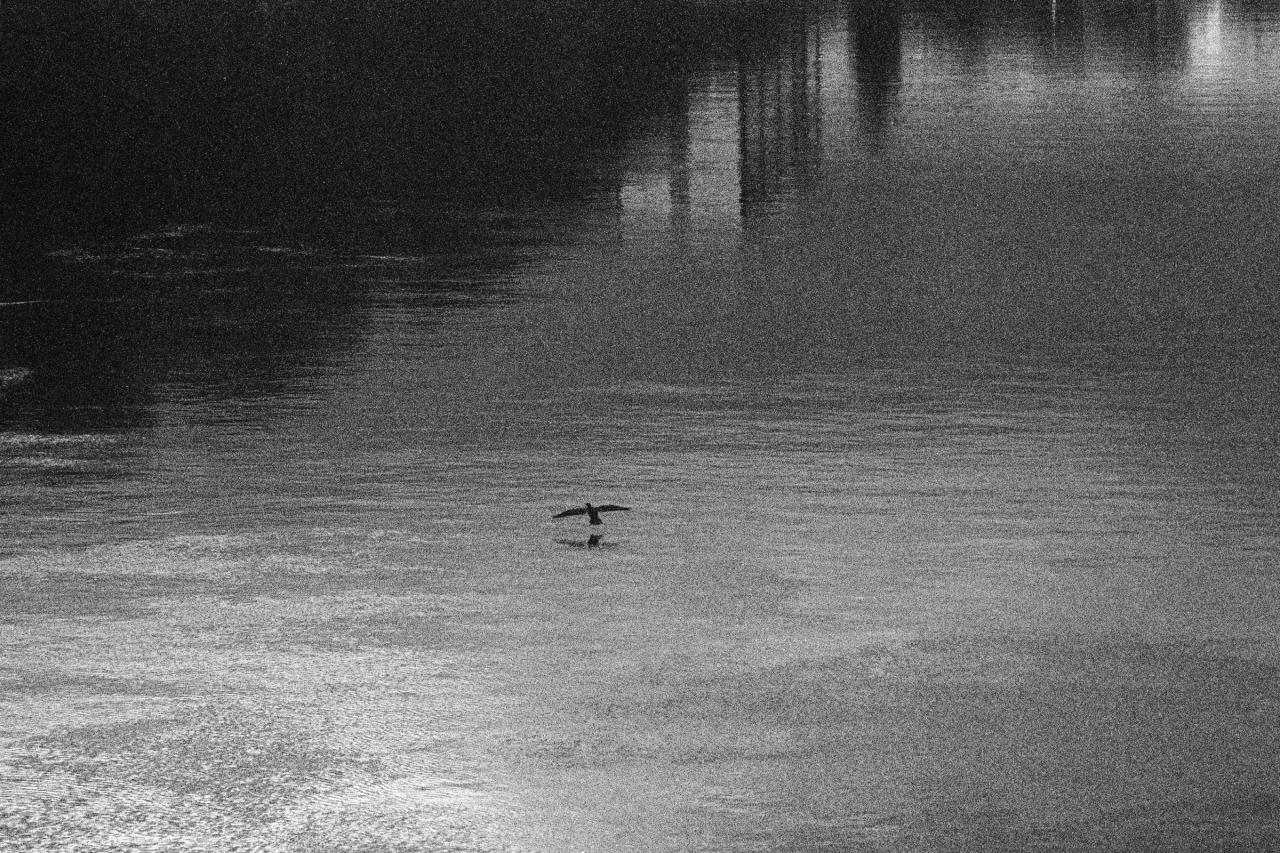
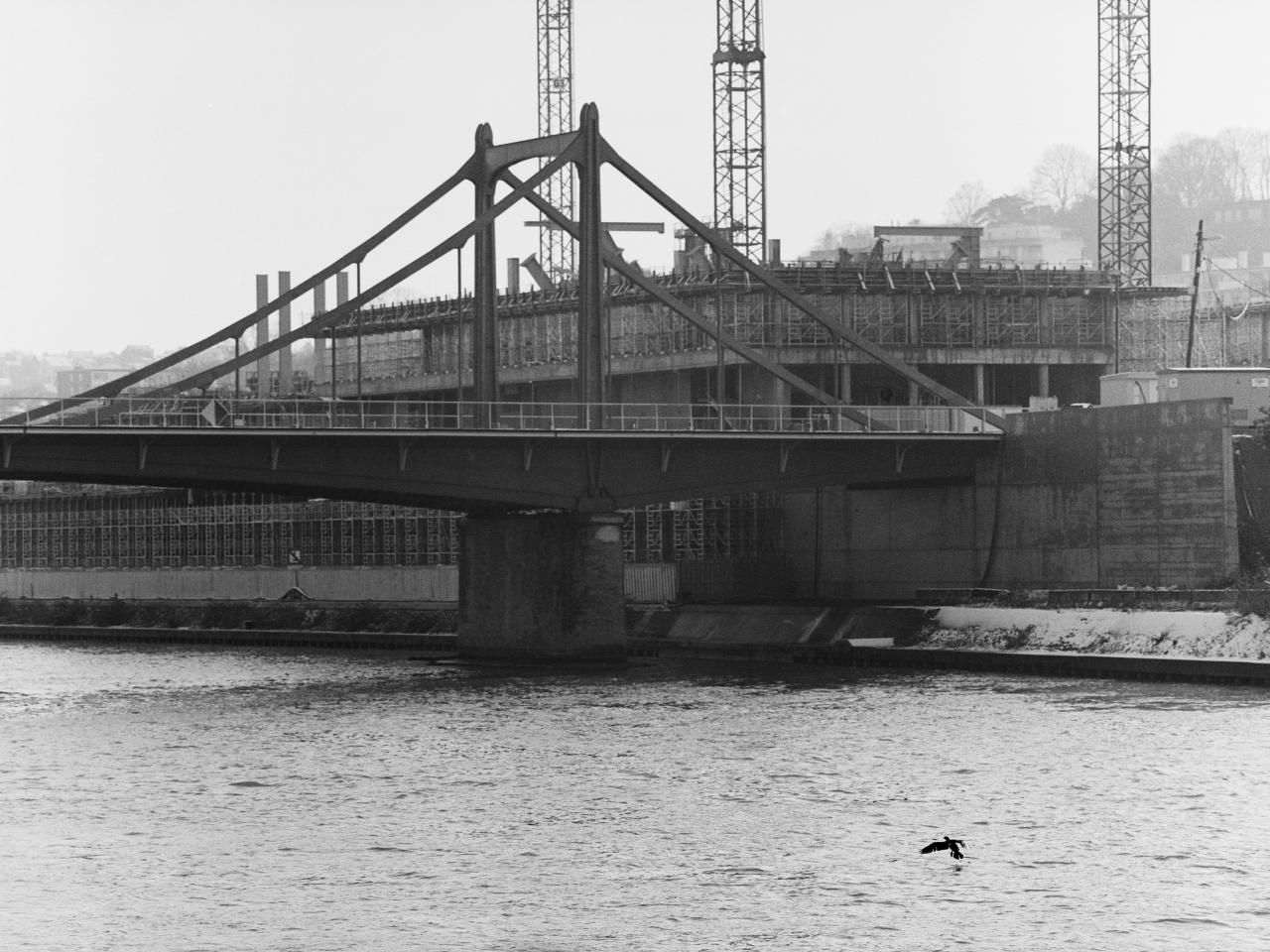
A three by four-metre cormorant takes wing on the Avenue Aristide Briand. Water sparkles on the real-fake billboard made to host outdoor exhibits. The literary image is trite, but it uses the correct word: “To shine with irregular bursts of light, at rapid intervals, producing a quivering effect.” The particularly dense grain, which characterises the Kodak Tri-X’s sensitivity, is no accidental image pollution. In fact, photographer Caroline Cieslik seeks it out as a deliberate compositional element and densifier of the picture. Standing out from the mass of silvery water that still seems to be moving, the charcoal silhouette of a cormorant takes flight. “There is something archaic about that bird’s profile,” Cieslik explains, “something dinosaur-like. Its beauty is ambiguous.”
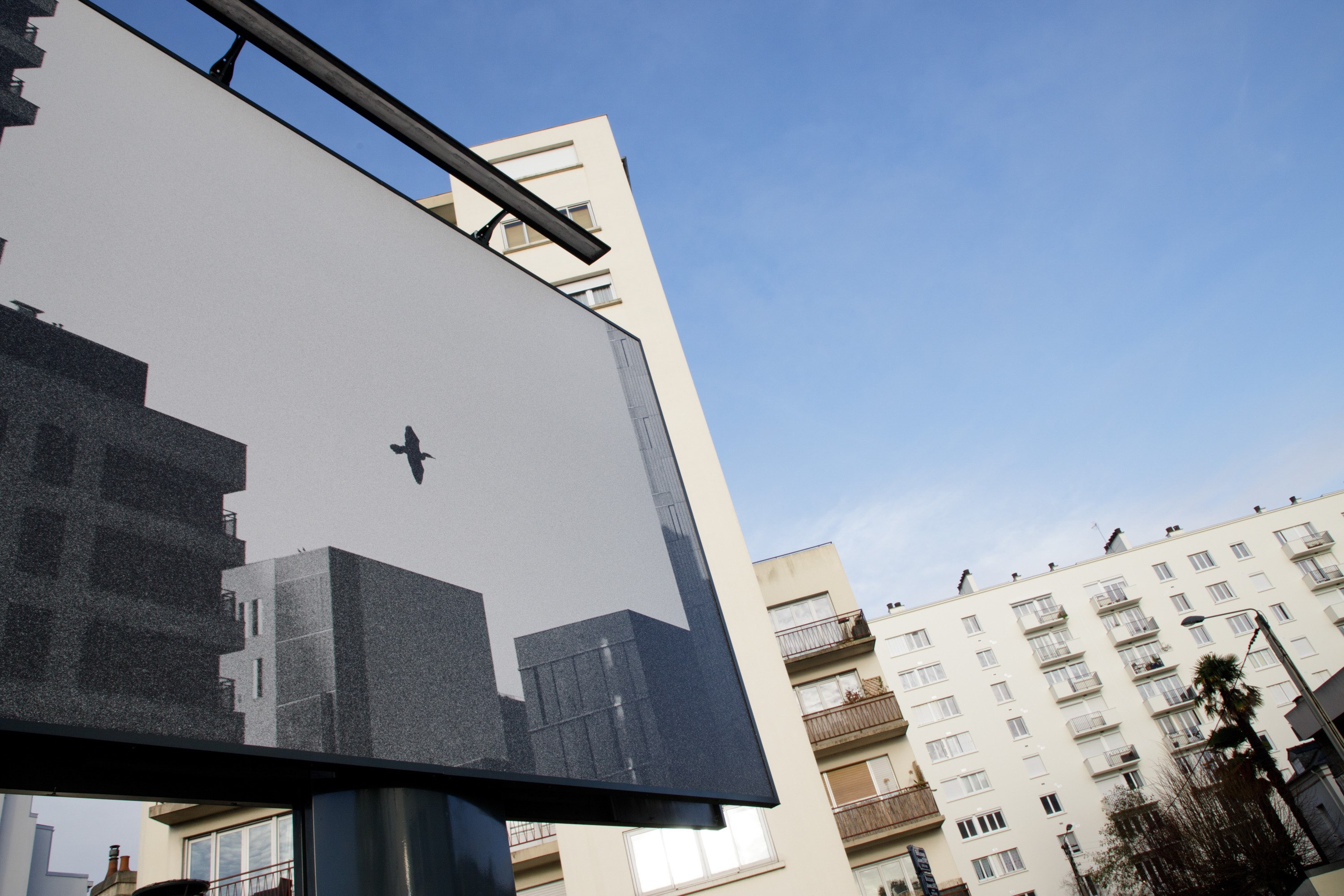
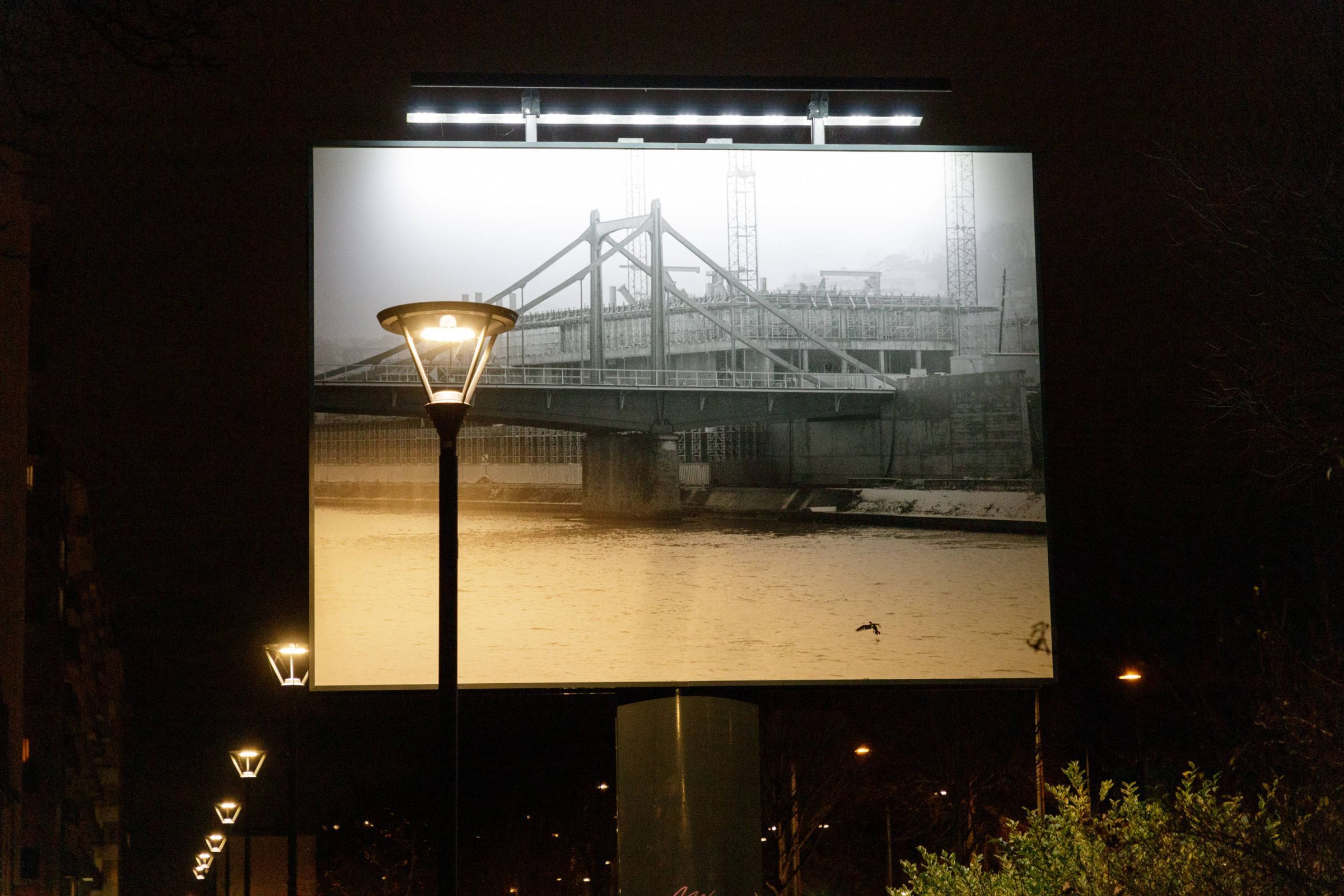
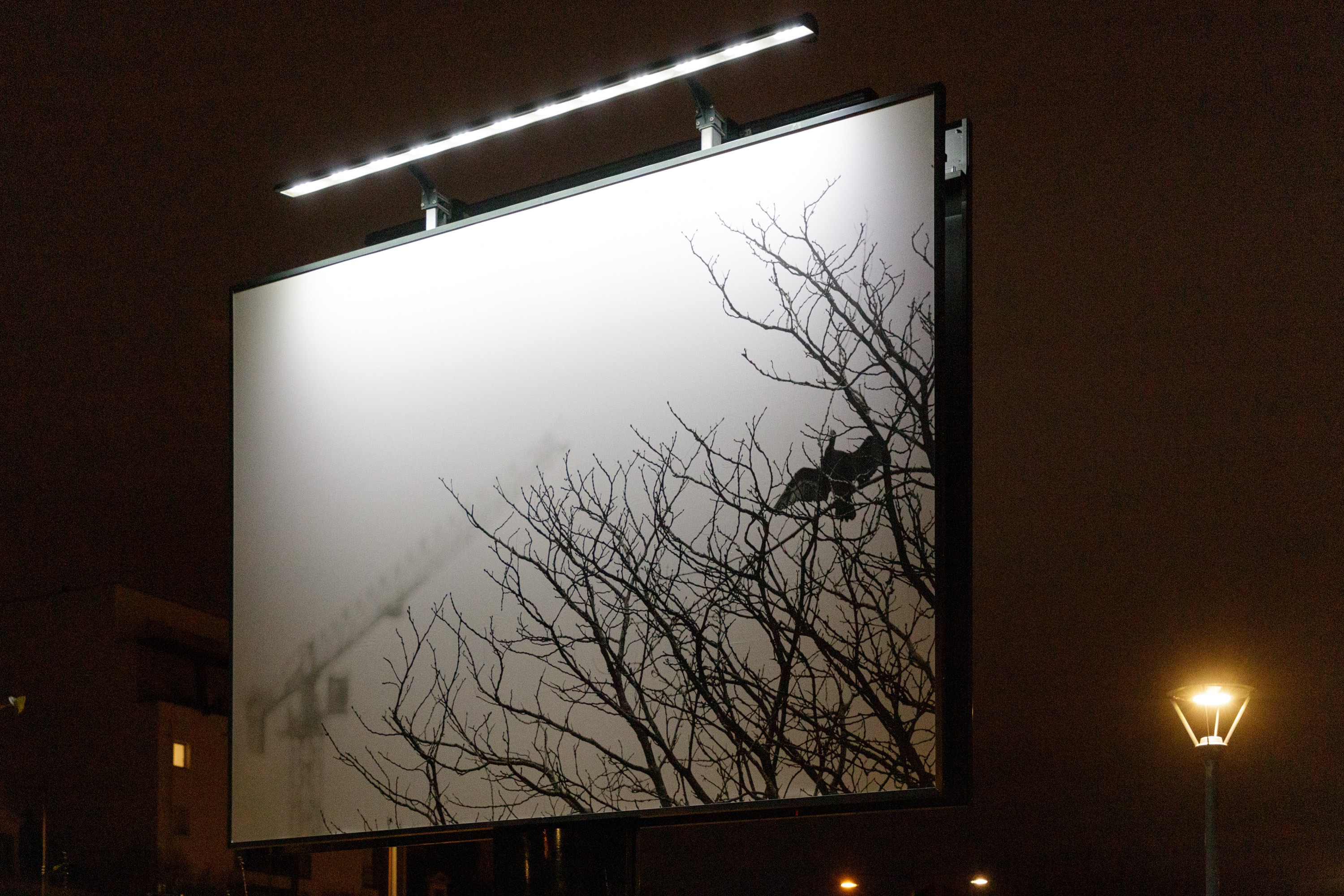
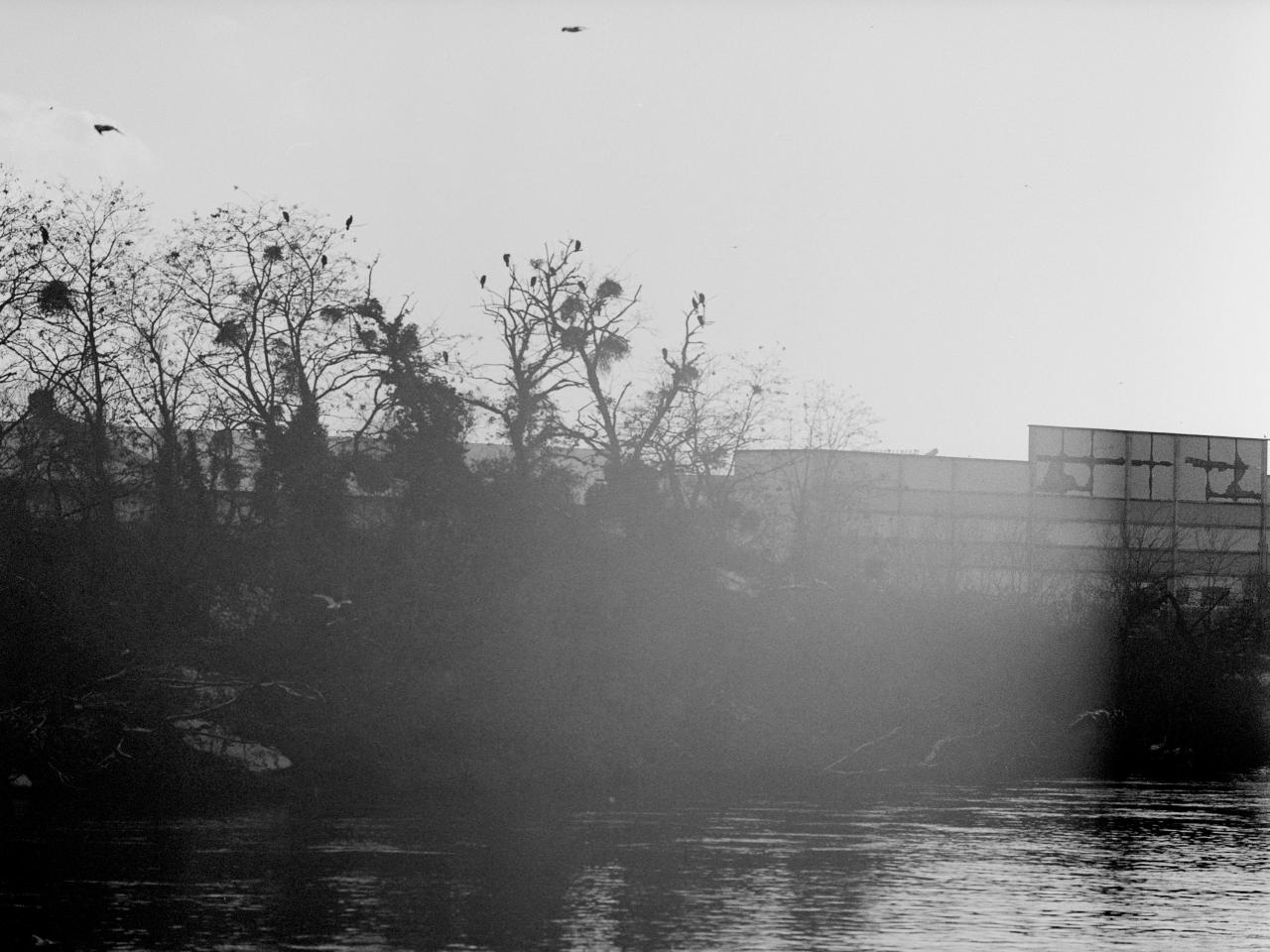
The project Naviguer en oiseau began a few streets away, along the banks of the Vilaine River. Cieslik is an avid runner, and she describes the transformation that takes place after an hour or two of running: a meditative, suspended state, as if one were flying. It was in this trance-like state that she encountered a particular tree and its dwellers: its leaves had almost entirely fallen and perched on its branches stood motionless cormorants, a prehistoric presence amid Rennes’ galloping urban expansion. In Brittany, in Paris, but also in Denmark, Cieslik decided to follow the cormorant, to explore its territory, its daily and seasonal rhythms, and its “exploded geography”. A recipient of the Regards du Grand Paris grant attributed by Ateliers Médicis and the Centre National des Arts Plastiques, Cieslik scouted the Île Seguin, a formerly iconic and somewhat forgotten landmark of Parisian industry, as well as the Île Saint-Denis and its nature reserve closed off to humans, so as to navigate “as” a bird and photograph the cormorants.
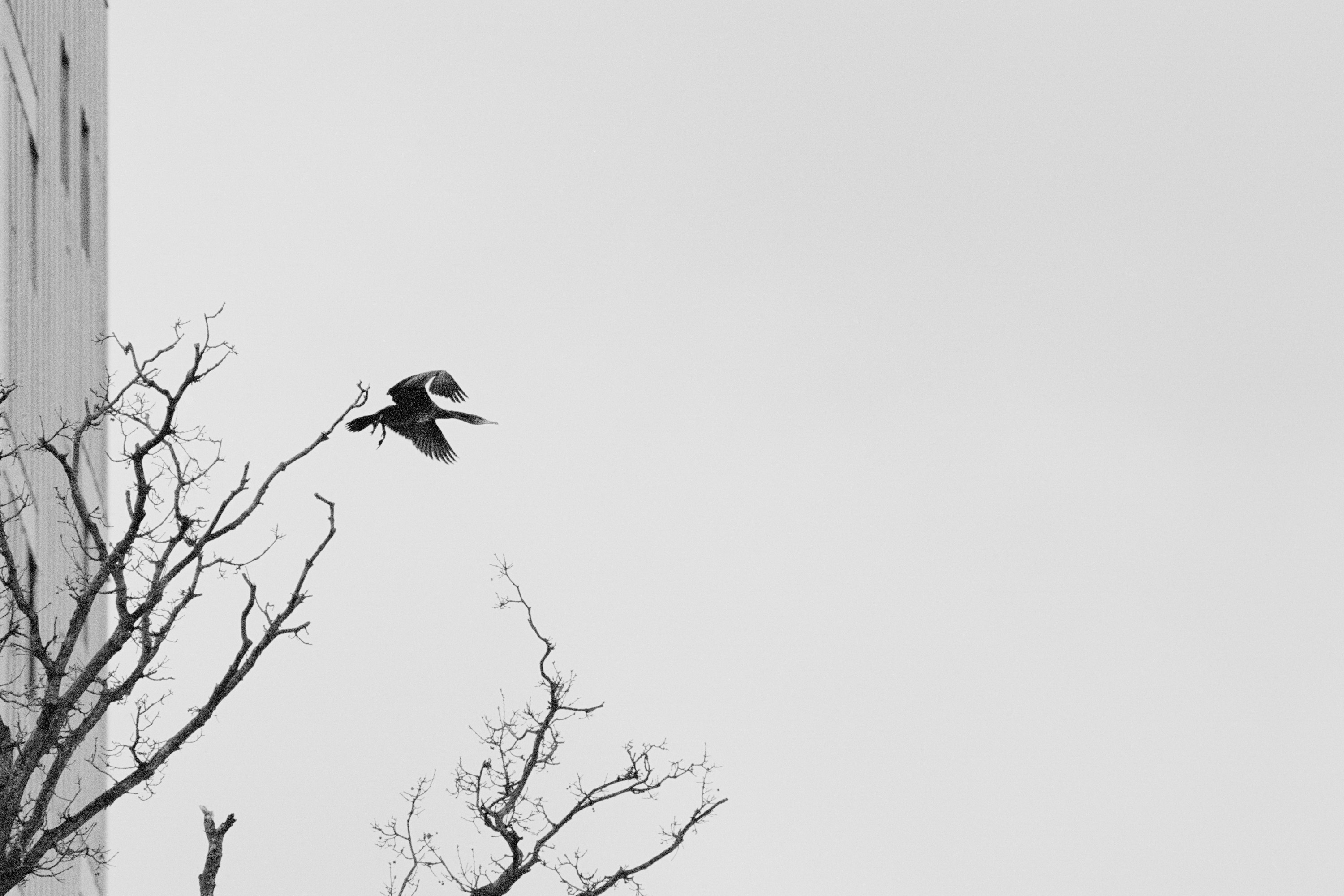
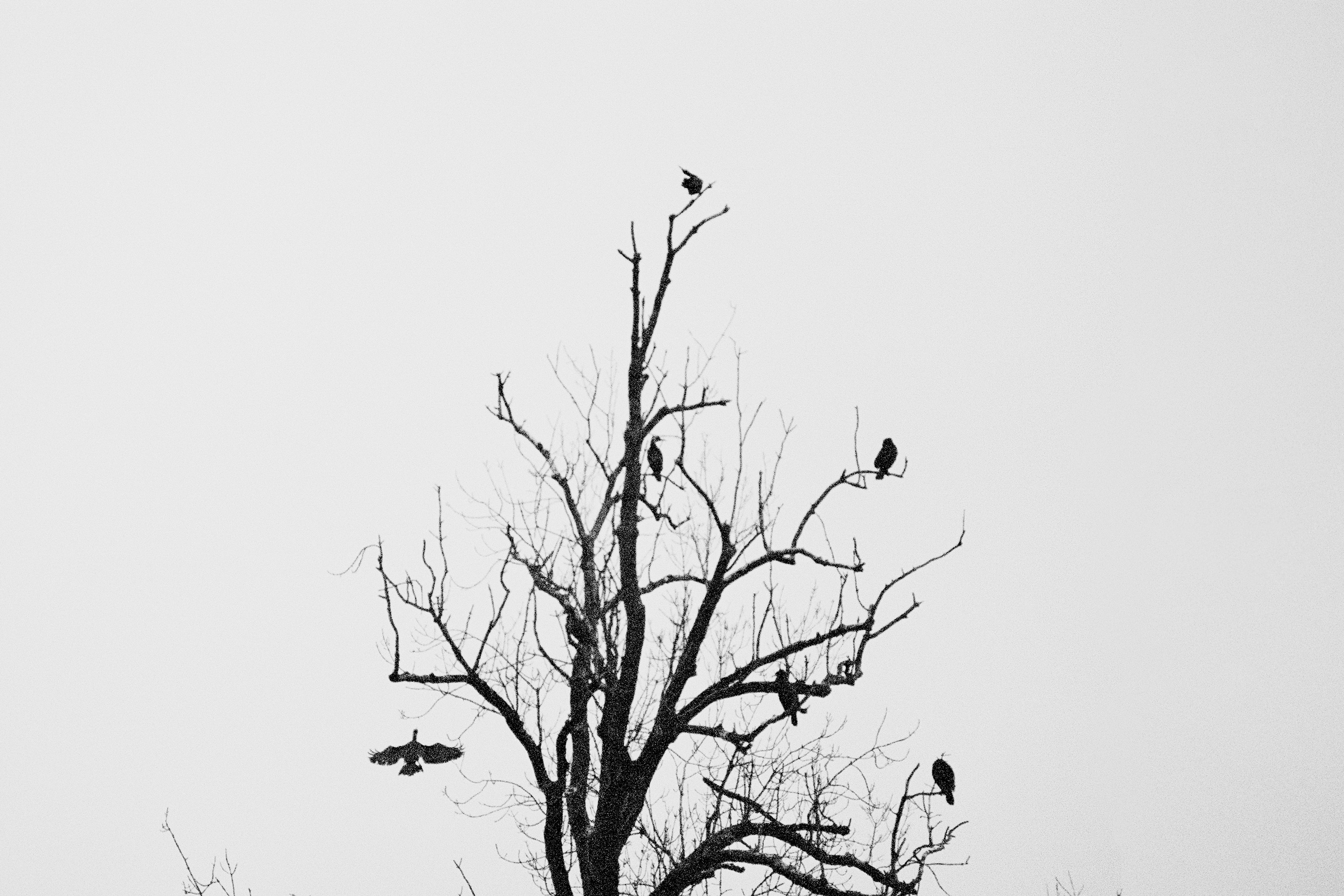
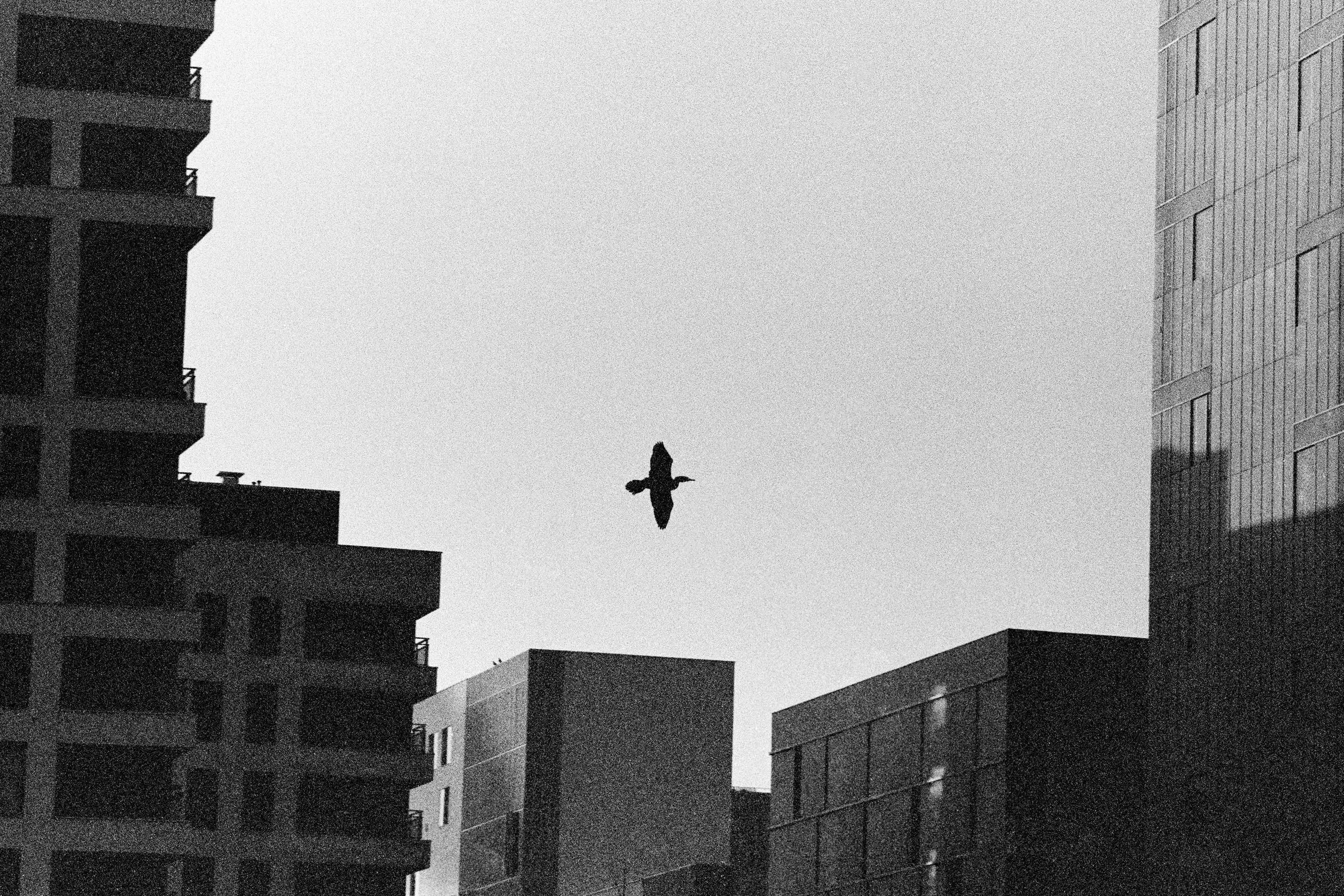
Much like the running and the trance-like state it can induce, the physicality of the photographing process — from the carrying of the equipment to the hideout — is also essential to the conversation: one telephoto lens, one reflex and one medium format camera, as well as several kilos of equipment transported by bicycle along the banks of the Seine and canals of Eastern Paris. Then there is the stationing and waiting for the “right” moment. Cieslik describes the anticipation, the degree of familiarity that settles in with the bird, the understanding of its movements and habits — but also the feeling of surprise when she lifts the print out of the last developing tray. In fact, the choice of analogue photography is key: it is both aesthetic and political. It is part of an economy of means: a single shot rather than a burst — as usually favoured by wildlife photographers —, one roll of film and its two or three dozen available shots and, of course, a different relationship to time. The interval between the act of taking the shot, the return to the laboratory to develop it, and the artisanal silver printing that she makes herself, is very far removed from the compulsive immediacy of digital photography and its hyper-consumption of pixels. From shot to print, but also due to the scope of the project, the long-term nature of Naviguer en oiseau is characteristic of Caroline Cieslik’s work, as also exemplified in another project soon to be published by the Éditions du Centre d’Art de Gwinzegal: Les Sauvages [The Wild Ones]. This project, which the artist carried out over a ten-year period as from 2013 and would also use in the research and creation thesis she presented in 2021, was aimed at establishing a photographic observatory of the landscape — with twenty-four viewpoints committed to camera four times a year — of the Prairies Saint-Martin wildland, which was converted to a “nature” park by the Rennes city council.
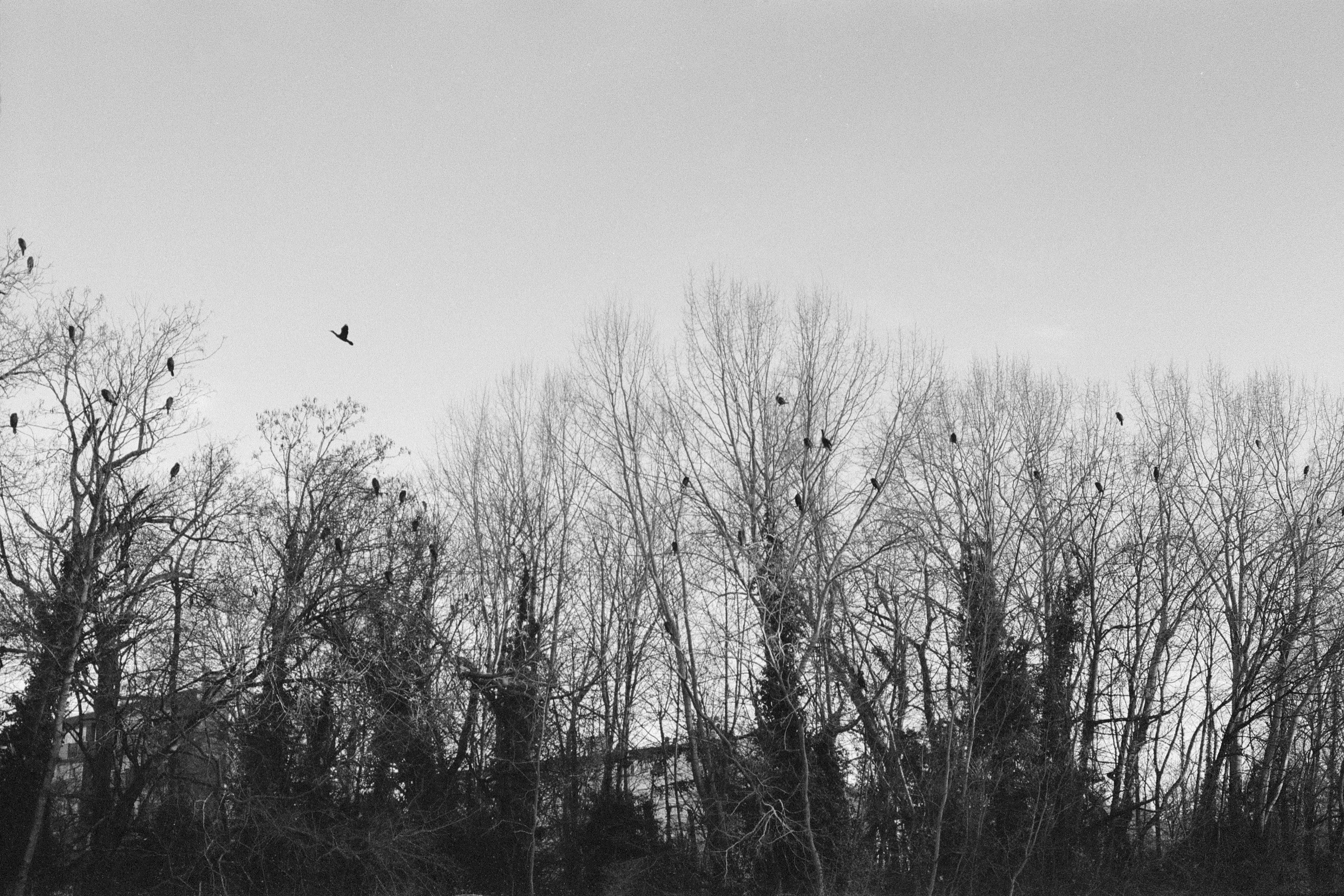
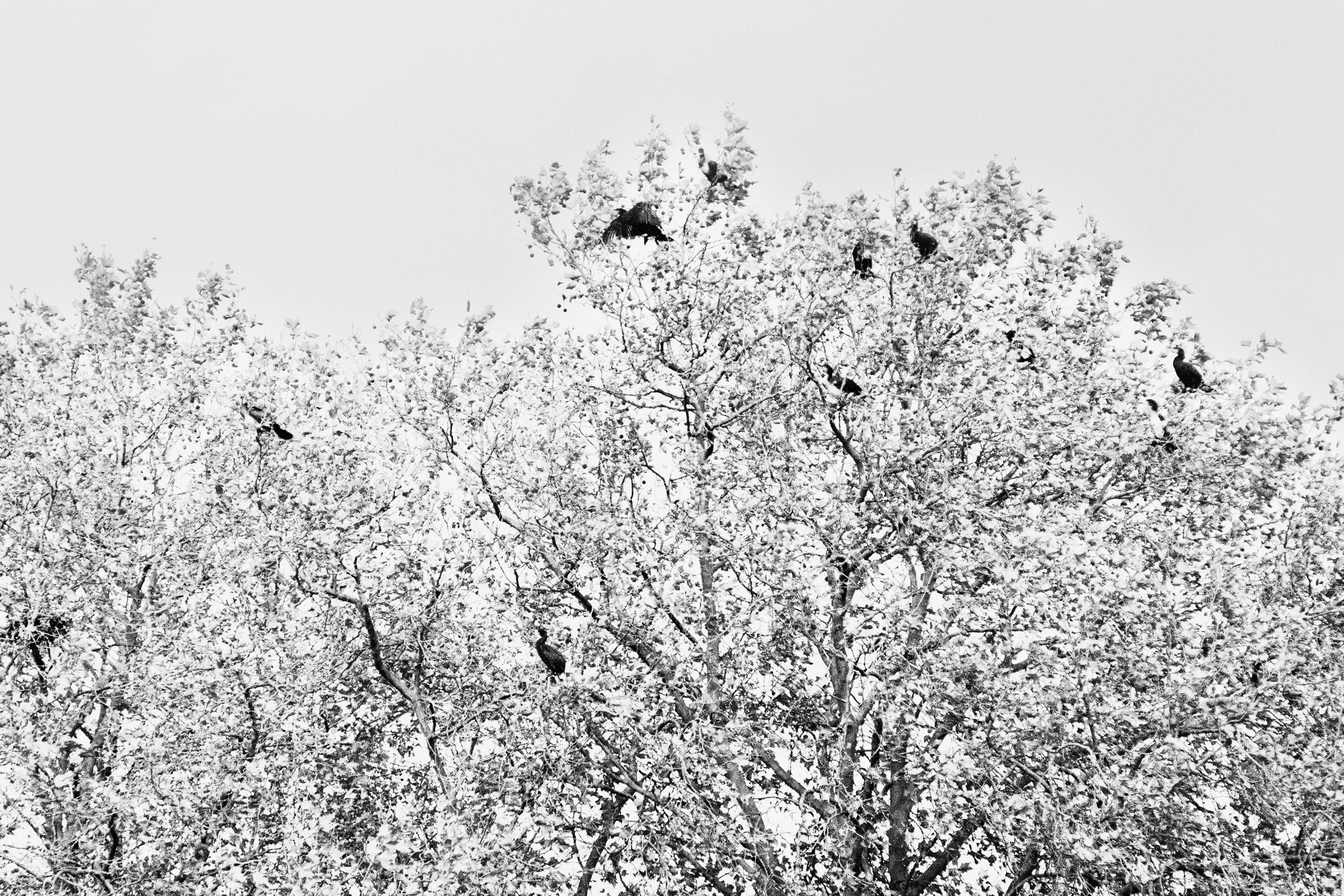
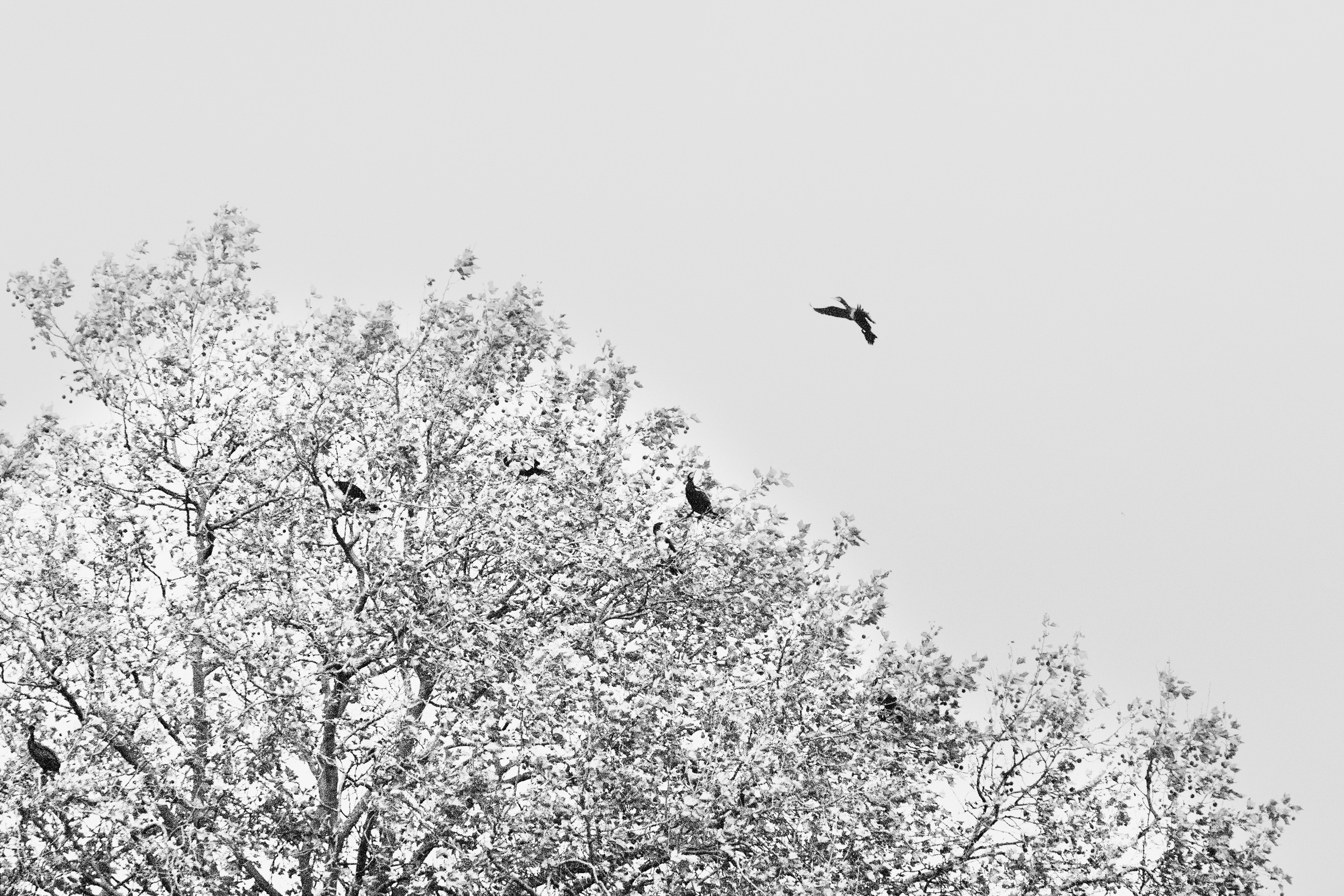
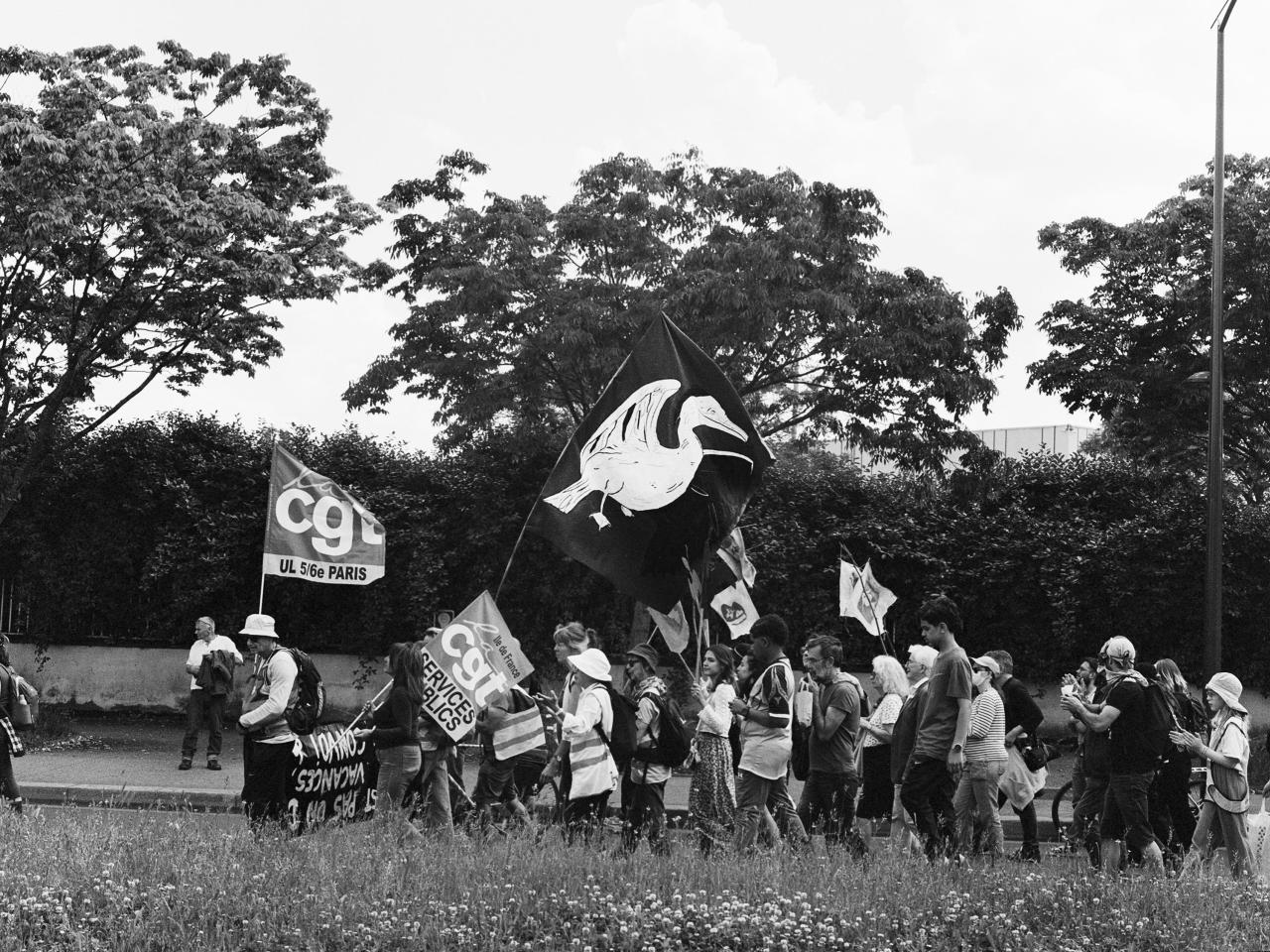
“I wasn’t actively seeking out environmental activism, but it just ended up slapping me in the face”, Caroline Cieslik says about Naviguer en oiseau. On the Gennevilliers harbour, opposite the Île Saint-Denis — one of the cormorants’ roosts in the Île-de-France region —, the bird has become the totem animal of the Soulèvements de la Terre collective’s fight against the new project for a 600-metre long by 35-metre high Greendock logistics depot (green in name only). The northern outskirts of the city already “serves” the city centre and is saturated with polluting infrastructure, the environmentalist collective explains in a video posted to Instagram and shared by Cieslik. By “navigating like a bird”, the photographer was met with the same obstacles and threats the cormorants faced; she also met the people who were fighting to protect them. Who better than the cormorant, with its pirate-like plumage and “punkiness”, to embody an uprising for the Earth. This “constructive militant energy” faced with “destructive police energy”, as Cieslik puts it, has found its place in the artist’s navigation. In addition to the liquid landscapes devoid of human presence and the skeletal trees in which the artist searches for the now familiar silhouette of the perched cormorant, there are now joyous demonstrations, union banners, masks and yellow vests and, shortly after, a screen-printed flag of the totem-cormorant designed by Cieslik, which she gifted to the activists.
Watch the video
As a marginal landscapes, wildlands are one of the key locations of Cieslik’s practice. From the banks of the Seine to the construction sites of Rennes, and from environmental struggles to the future logistics platforms of the Gennevilliers harbour, the notion of “wildland” should not be understood simply as an abandoned industrial space but as an interval caught between space and time, as a pending space. It is an interstitial space in the city, not truly urban and much less wild, which remains unseen to those who do not actively choose to look at it otherwise. It is a space in which marginalised people and communities seek refuge, home to the fauna and flora that lives in the “ruins of capitalism”, as anthropologist Anna Tsing puts it — this wildland is a place where time goes by differently. The struggle itself is a wildland: the place of the struggle, the timeframe of the struggle, in its refusal of the “business as usual” mindset, of yet another programmed destruction. By “navigating like a bird”, Cieslik invests the idea of the wildland with an artistic practice, which, through its physical and political commitment, its protracted nature, and its technological — from analogue photography to self-made silver printing —, embraces the complex and non-standardised identity of this hybrid concept. Whether they fit in the palm of one’s hand or take up an entire billboard in the streets of Rennes, the photographs of Naviguer en oiseau portray the intimate landscape of a bird whose prehistoric silhouette seems to project us into the future.