Philippe Deléglise
Born in 1952
Lives and works in
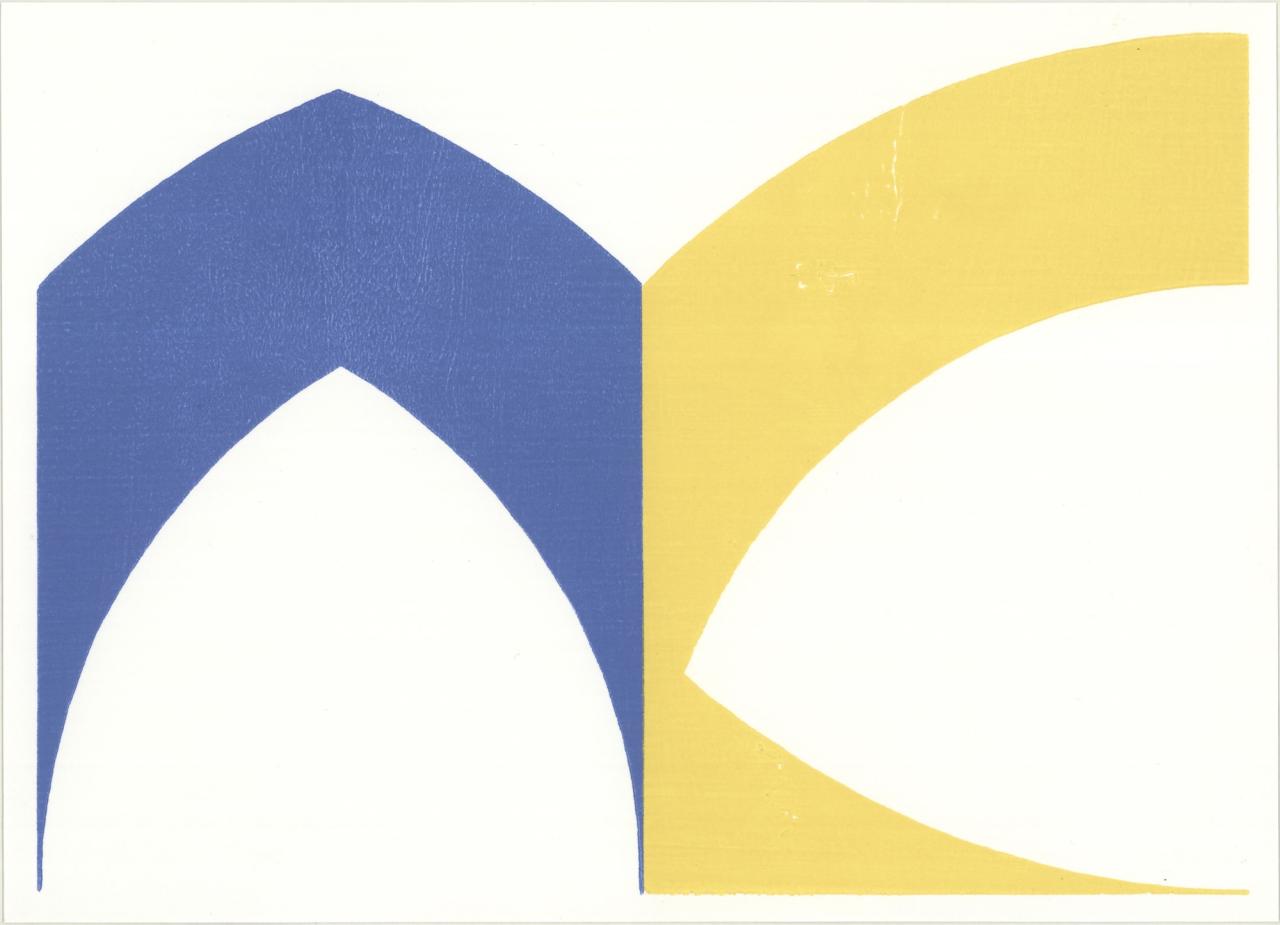
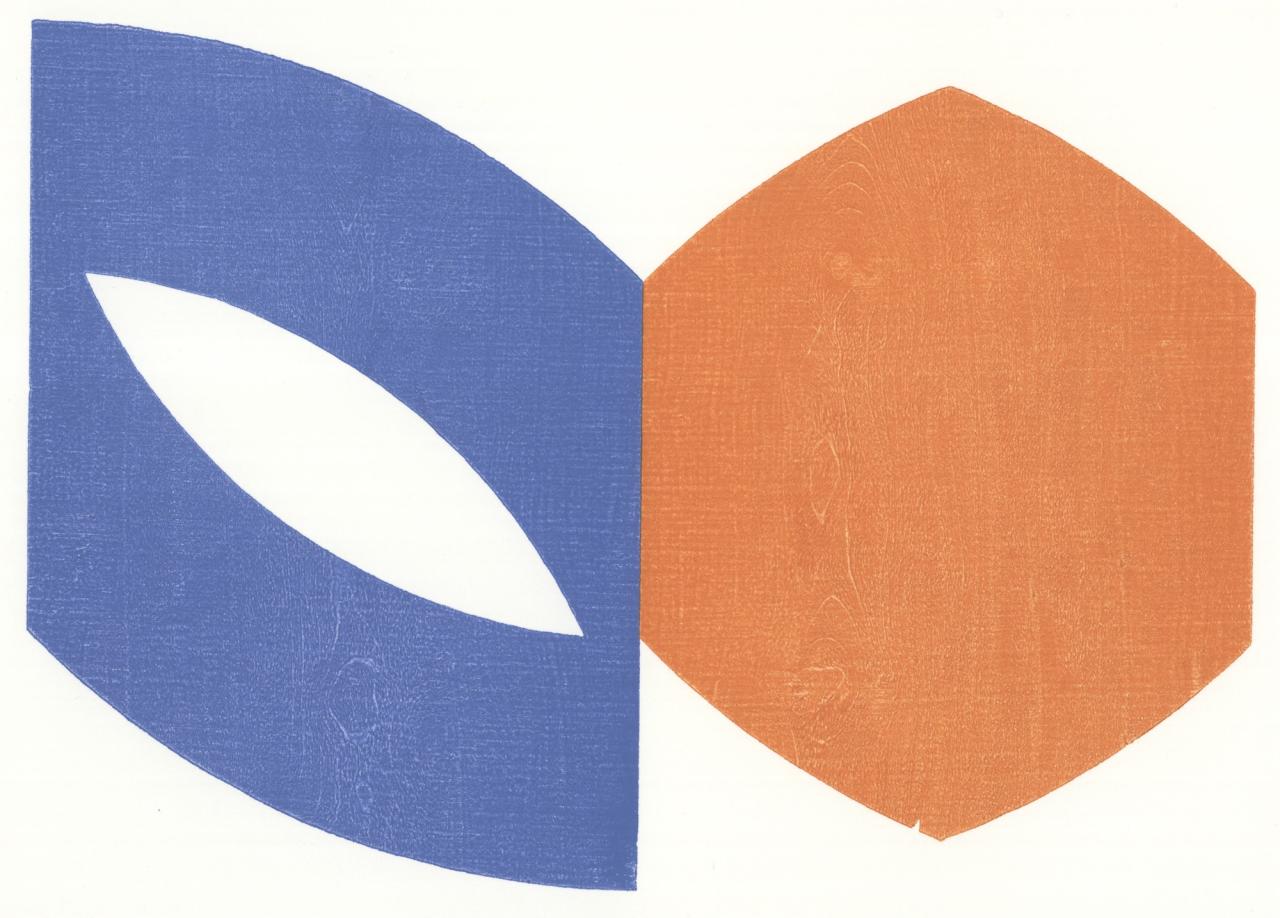
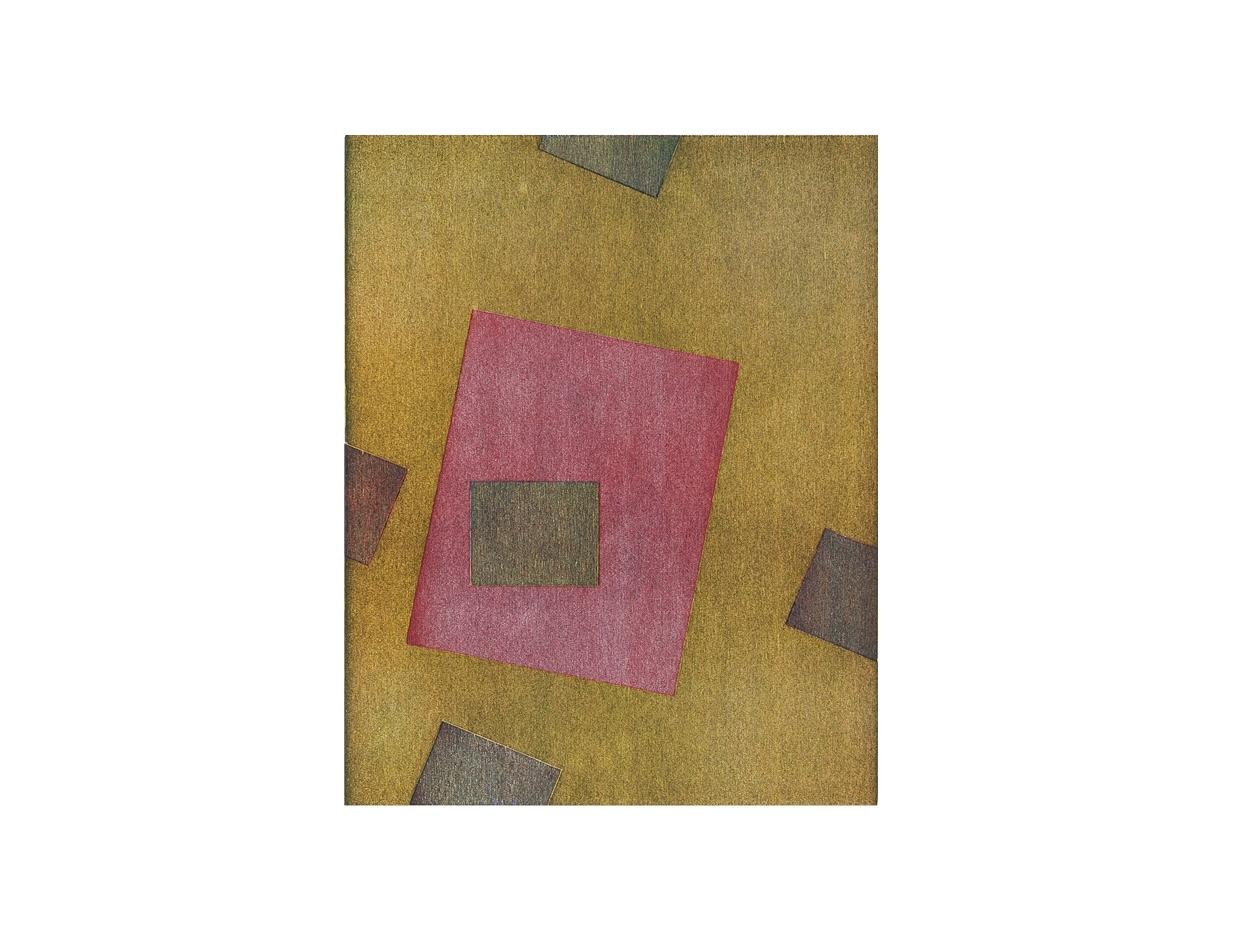
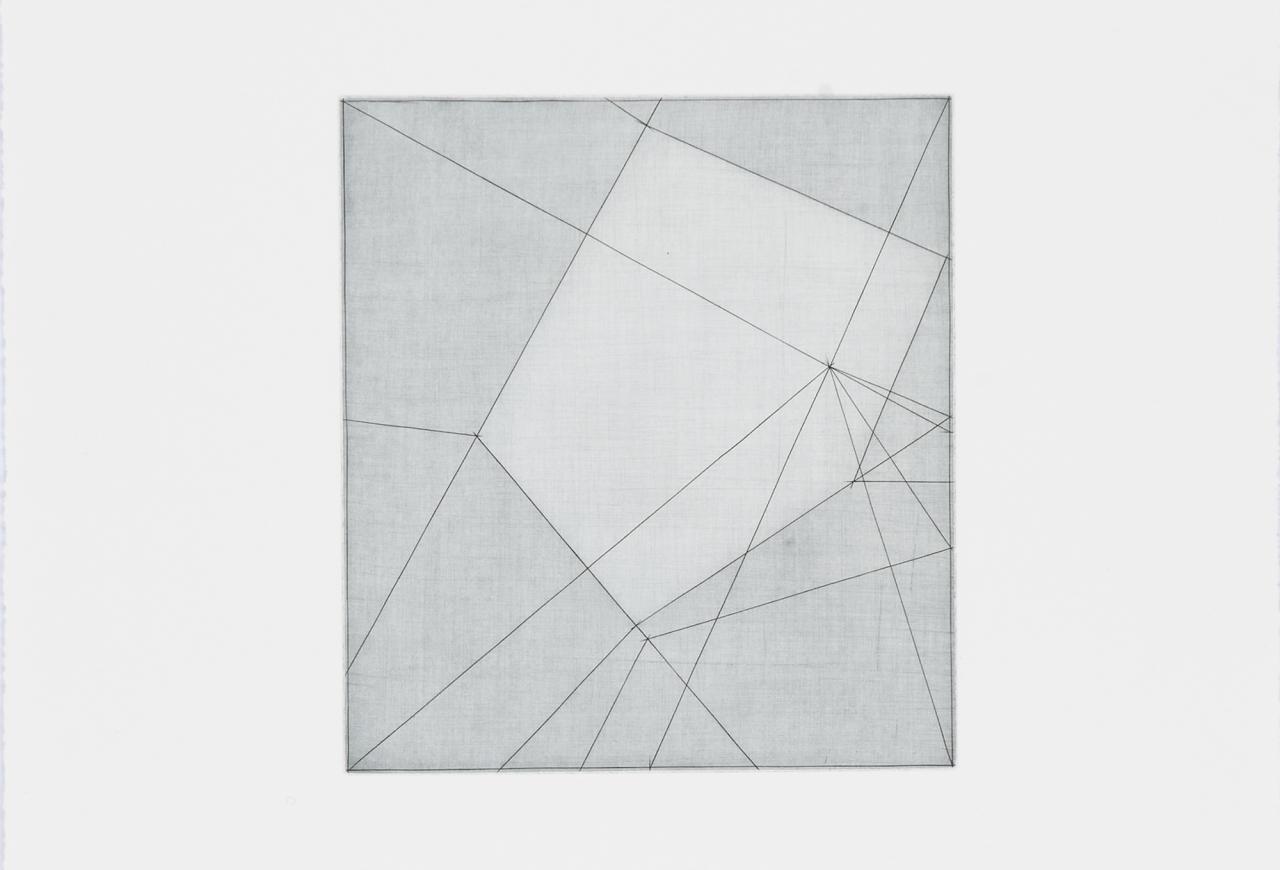
Philippe Deléglise studied in Geneva and Düsseldorf. In 1976, together with Chérif and Sylvie Defraoui, Patricia Plattner, and Georg Rehsteiner, he founded Messageries Associées, a collective that developed a critical artistic practice while also actively contributing to the programme of the Gaëtan Gallery in Carouge. Between 1977 and 1979, some sixty artists were presented there. The collective’s work was also shown in several international contexts, notably at the Venice Biennale in 1976, at the Fotoforum in Kassel and the São Paulo Biennial in 1977, as well as at the Institute of Contemporary Arts in Los Angeles in 1978 and the Western Front in Vancouver in 1979.
In 1979, Deléglise, together with Patricia Plattner and Aloÿs Robellaz, established the Studios Lolos in Carouge, a collective and multidisciplinary studio devoted to graphic design, film, as well as interventions in public space and architecture. He remained active there until 1987.
From 1989 onwards, he refocused his practice on painting and drawing and developed an inquiry into the concept of autonomy. He then adopted the “source-plane” (plan-source), which enabled him to explore the variability of form through structures related to the plane. From 1993 onwards, his visual propositions were accompanied by reflective texts that extended and questioned his formal research. From 1998, he also increasingly favoured the portfolio of prints as a means of synthesising his work, notably during his first collaboration with URDLA in Villeurbanne.
In 2001, he began a cycle of prints, followed by paintings, brought together under the generic title Figures de Chladni. Inspired by the patterns produced by vibrations transmitted through a solid body, these works introduced a performative dimension into his practice and opened up a reflection on the forms of the organic world. The cycle notably led to collaborations with the AJAC printmaking workshop in Moutier and with the Geneva School of Engineering.
His work has been regularly presented in galleries and art spaces, notably in Geneva at Marika Malacorda (1983–1990), then at Michel Foëx (2004–2014) and Anton Meier (2015–2020), in Zurich at Vivianne Ehrli (1995–1998), as well as at URDLA in Villeurbanne (1998–2011). In 2020, he began a collaboration with Raynald Métraux in Lausanne, with whom he has continued his work with printmaking ever since.
In summer 2025, Philippe Deléglise received an award at the 14th International Biennial of Contemporary Printmaking in Trois-Rivières for a series of woodcuts published by Raynald Métraux in Lausanne. This recognition highlights an artistic inquiry pursued over several decades, at the intersection of painting, drawing, printmaking, writing, and a sustained reflection on the autonomy of form.